Trump Withdraws National Guard from Cities Amidst Legal Challenges & Declining Crime Claims
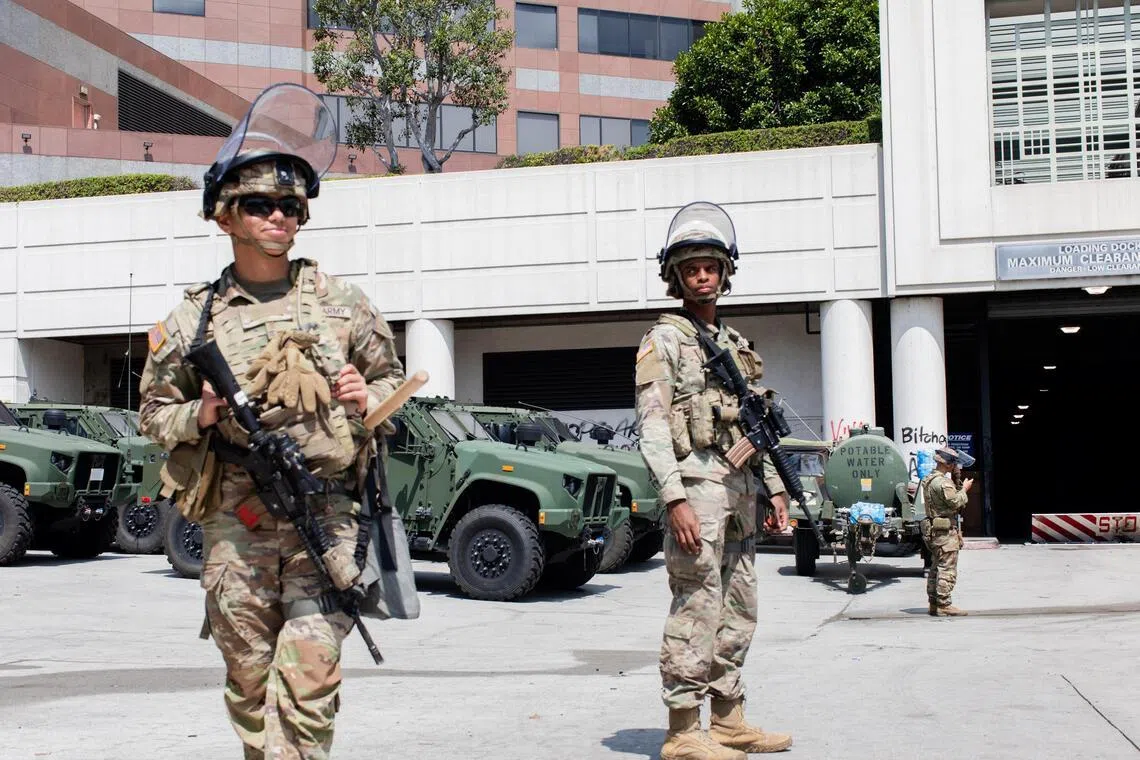
Former president Donald Trump has ordered the withdrawal of National Guard troops from Chicago, Los Angeles, and Portland. This decision comes despite his assertions that the deployments were directly responsible for a reduction in crime – a claim increasingly challenged by legal rulings and data analysis. The move marks a significant shift in the administration’s controversial strategy of federalizing National Guard units to address civil unrest.
The Context: Deployments & Legal Pushback
In June 2020, amidst widespread protests sparked by the administration’s immigration policies and broader social justice concerns, Trump initiated the deployment of National guard troops to these cities. he also took unprecedented steps in Washington D.C., asserting direct control over local police forces, citing concerns about escalating crime. However, these actions were promptly met with legal challenges from the cities themselves.
Judges consistently ruled that the Trump administration lacked the legal authority to deploy federal troops in this manner. Critically, courts found no evidence to support the claim that the troops were necessary to protect federal property from protesters. The core argument centered on the overreach of executive power and the proper role of the federal government in local law enforcement.
Supreme Court Ruling Undercuts Authority
The legal setbacks culminated in a December 23rd Supreme Court decision blocking Trump’s attempt to deploy National Guard troops in Illinois. This ruling considerably weakened the legal foundation for deployments in other states.
The court’s unsigned order stated the President’s authority to federalize National Guard units likely applies only in “exceptional” circumstances. The government failed to demonstrate a clear legal basis for assuming control of the Illinois National Guard, highlighting the limitations on presidential power in this context.
A Shifting Landscape & Future Implications
Military officials have been gradually scaling back deployments in recent months, largely due to the ongoing legal battles. Trump, however, signaled a willingness to redeploy troops should crime rates rise again, stating, “We will come back, perhaps in a much different and stronger form – Only a question of time!”
This raises important questions about the future of federal involvement in local law enforcement and the balance of power between the executive branch and state/city governments. Here’s a breakdown of key takeaways:
* Limited Presidential Authority: The supreme Court ruling clarifies the constraints on the President’s ability to deploy the National guard within states.
* Need for Justification: Deployments require a demonstrable legal justification and evidence of a genuine need for federal intervention.
* Local Control: The rulings reinforce the principle of local control over law enforcement and the importance of respecting the boundaries between federal and state authority.
* Data-Driven Decisions: Reliance on verifiable crime statistics, rather than political rhetoric, is crucial for informing decisions about public safety.
The withdrawal of the National Guard represents a significant legal and political victory for the cities that challenged the deployments. It also serves as a cautionary tale about the limits of executive power and the importance of upholding constitutional principles in times of civil unrest.
Further Resources:
* Straits Times: US Supreme Court rejects Trump’s military deployment in Chicago area
Worth a look
- Chipotle Removes Jalapeños Amid Outbreak Concerns Despite No Official Link
- US Treasury and Japan’s Yen Intervention: Impact on the Korean Won and Asian Currencies
- BP Q2 Profit Hits $5.7 Billion Amid Trump Criticism of Big Oil Windfalls (time.news)
- Trump Administration Begins Systematic Appropriation of Japanese Manga (newsdirectory3.com)