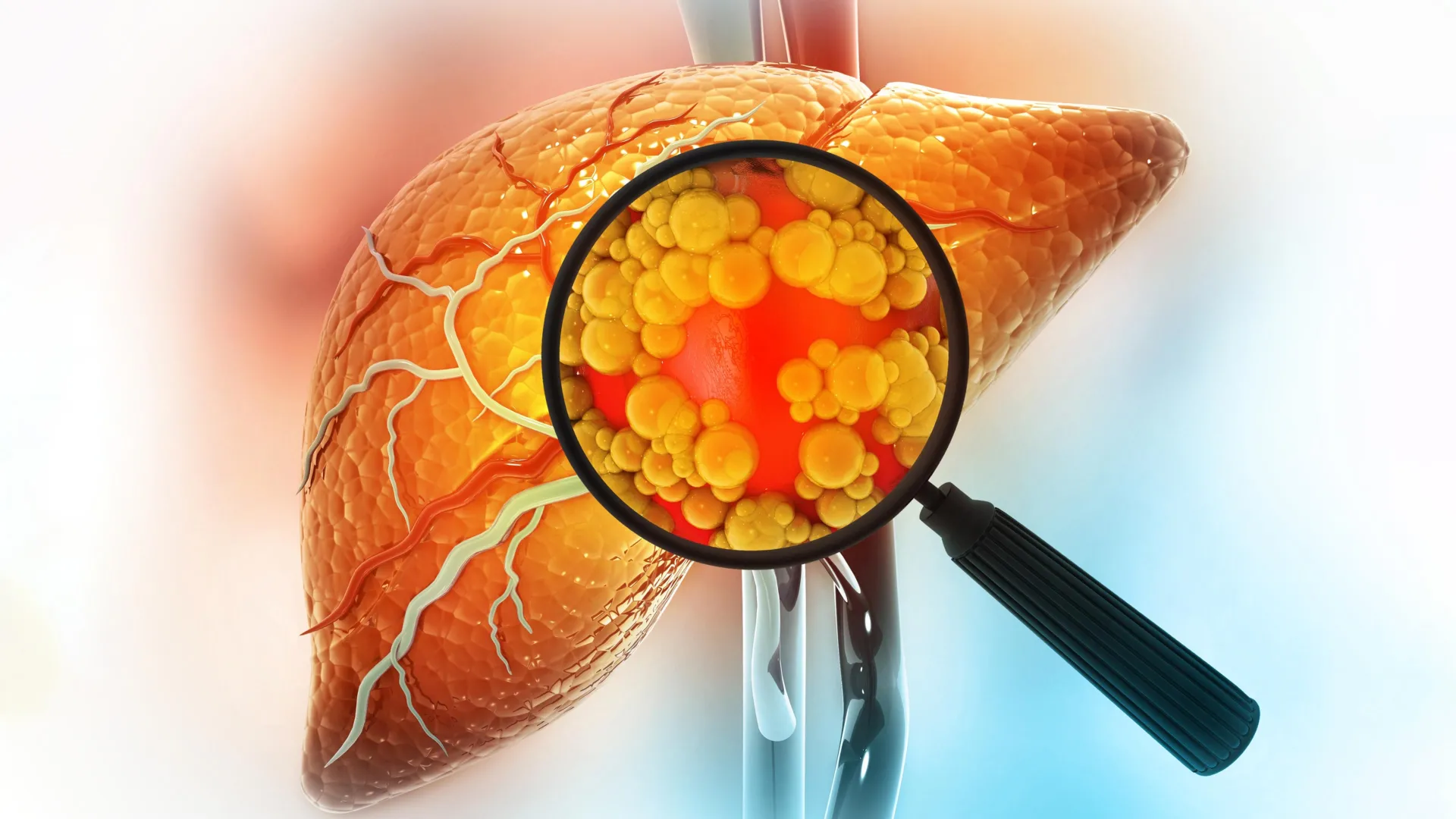
The Silent Shift: How High-Fat Diets Rewire Liver Cells, Paving the Way for Cancer
For decades, the link between obesity, non-alcoholic fatty liver disease (NAFLD), and liver cancer has been increasingly clear. However, how a high-fat diet transforms a healthy liver into a breeding ground for malignancy has remained a complex puzzle. Groundbreaking research, recently published and led by scientists at MIT, is now revealing a disturbing cellular-level process: a gradual “de-maturation” of liver cells, driven by genetic reprogramming, that dramatically increases cancer risk. This isn’t simply about fat accumulation; it’s about a fundamental shift in cellular identity, making damaged cells far more susceptible to cancerous transformation.
Understanding the Progression: From Inflammation to Cancer
This research, conducted using a complex longitudinal approach in mice, meticulously tracked changes in gene activity as the animals progressed through the stages of liver disease – from initial inflammation to irreversible scarring (fibrosis) and ultimately, cancer. What the researchers discovered wasn’t a sudden event, but a slow, insidious rewiring of the liver’s cellular machinery.
Initially, liver cells (hepatocytes) responded to the stress of a high-fat diet by activating genes focused on survival. These genes prioritized self-preservation, reducing programmed cell death and promoting continued growth – a seemingly adaptive response.However, this came at a meaningful cost.Crucially, genes responsible for the liver’s core functions – metabolism, protein secretion, and detoxification - where progressively silenced.
“This really looks like a trade-off,” explains Dr. Tzouanas, a lead researcher on the project. “The individual cell prioritizes its own survival in a stressful habitat, at the expense of the collective tissue’s health and function.”
This shift wasn’t uniform. Some genetic changes occurred rapidly, while others unfolded over months.The decline in metabolic enzyme production, a hallmark of liver dysfunction, was a particularly slow burn. Ultimately, nearly all mice on the high-fat diet developed liver cancer, demonstrating the potent carcinogenic potential of this cellular reprogramming.
The Danger of Immature Liver Cells
The most alarming finding was the realization that liver cells reverting to a less mature state are significantly more vulnerable to becoming cancerous when exposed to damaging mutations. think of it like priming a loaded gun.
“These cells have already turned on the same genes they’re going to need to become cancerous,” Dr.Tzouanas clarifies. “They’ve already shifted away from the mature identity that would normally suppress uncontrolled growth. Once a cell acquires a cancer-causing mutation, it’s off to the races – they’ve already gained a head start on the hallmarks of cancer.”
The research pinpointed several key genes coordinating this regression to an immature state. Importantly, some of these genes are now druggable targets. A drug targeting the thyroid hormone receptor, such as, has recently been approved for treating MASH fibrosis (formerly known as NASH), a severe form of steatotic liver disease. Another enzyme identified in the study, HMGCS2, is currently being evaluated in clinical trials. Furthermore, the transcription factor SOX4, typically active only during fetal development, was found to be unexpectedly activated in diseased liver cells, presenting another potential therapeutic avenue.
Human Relevance: Mirroring the Mouse Model
To validate these findings,the researchers analyzed liver tissue samples from human patients at various stages of liver disease,including those without existing cancer. The results were strikingly consistent with the mouse model. The same pattern of gene expression - declining liver-specific function and increasing immature cell markers – was observed in humans. Furthermore, these gene expression patterns proved to be predictive of patient survival, with higher expression of pro-survival genes correlating with shorter survival times after tumor development.
While the timeline differs – mice develop cancer within a year, while the process in humans likely takes decades (estimated around 20 years) – the underlying mechanism appears remarkably conserved. Factors like alcohol consumption and viral infections can accelerate this process, further pushing liver cells towards an immature and vulnerable state.
Reversing the Damage? A Glimmer of Hope
The research team is now focused on determining whether the cellular changes induced by high-fat diets can be reversed. Future studies will investigate the potential of dietary interventions and weight-loss medications, such as GLP-1 agonists, to restore normal liver cell behavior.
“We now have a wealth of new molecular targets and a deeper understanding of the underlying biology,” states dr. Shalek, the senior author of the study. “This provides us with new angles to improve outcomes for patients at risk of or diagnosed with liver cancer.”
Implications for Prevention and Treatment
This research represents a significant leap forward in our understanding of liver cancer development. It moves beyond simply recognizing the correlation between obesity and cancer to revealing the mechanisms driving this connection. This knowledge
- Listeria Outbreak 2024: 11 Infected Across Four States, CDC Reports
- New Cholesterol Guidelines Massively Expand Access to Statins
- Phil Collins Reveals 80s Hit Lyrics Were Mostly Improvised (world-today-news.com)
- 3D DNA mapping in rare immune cells reveals new genes linked with autoimmune disease risk (archyde.com)