Escalating Rhetoric & Calls for Accountability: Analyzing Bilal Erdoğan‘s Strong Condemnation of Israeli Actions in Gaza
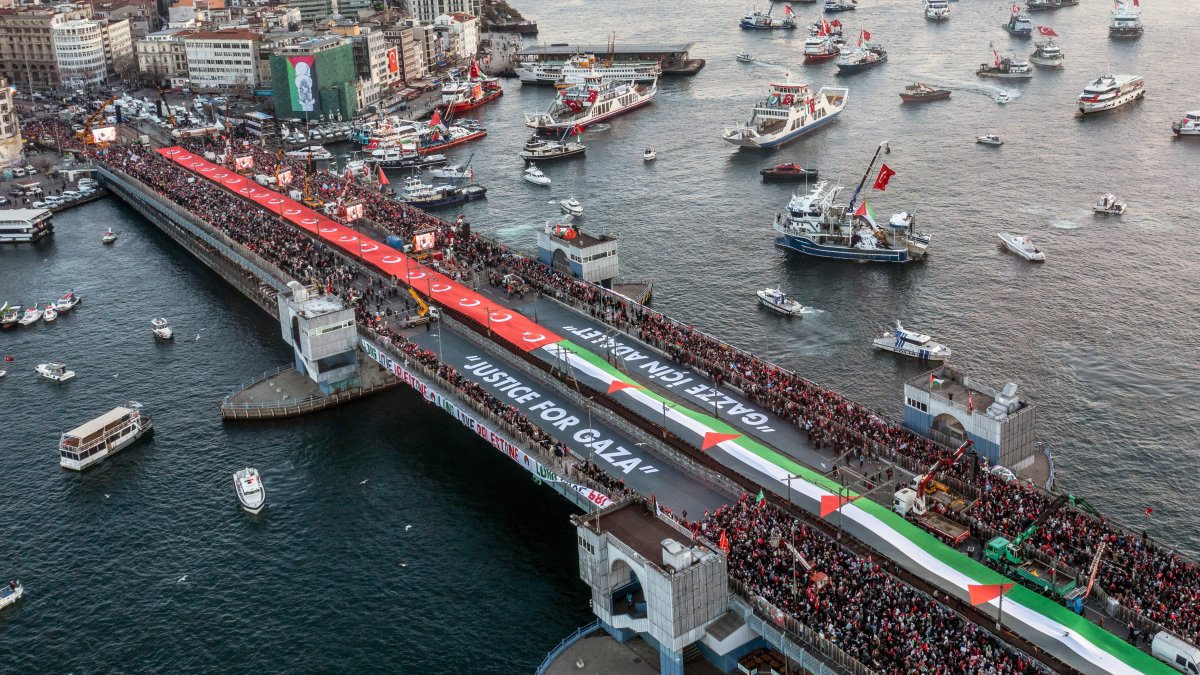
Teh recent rally in Istanbul,Türkiye,featuring remarks from Bilal Erdoğan,a prominent member of TÜGVA’s High Advisory Board,has ignited further international discussion surrounding the ongoing conflict in Gaza.Erdoğan delivered a scathing critique of Israeli policies, drawing stark parallels to past atrocities and demanding accountability for what he termed “war crimes.” This article will delve into the core arguments presented, the historical context invoked, and the potential implications of such strong rhetoric.
A Condemnation Rooted in International Law
Erdoğan began by emphasizing the fundamental principles governing warfare, asserting that even armed conflict operates within established rules. He specifically highlighted the Geneva Conventions, pointing out that intentional targeting of civilians, disproportionate use of force, and the destruction of essential infrastructure unequivocally constitute war crimes.
these aren’t isolated incidents, he argued, but rather a systematic pattern directed by Israeli leadership and supported by a significant portion of the Israeli populace. Consequently, he reframed the situation not as a conventional conflict, but as a deliberate “policy of annihilation” fueled by state power.
The Weight of Historical Comparisons
Perhaps the most striking aspect of Erdoğan’s address was his comparison of current Israeli actions to those of Nazi Germany. He boldly referred to Israeli Prime Minister benjamin Netanyahu as the “Hitler of the 21st century,” a statement likely to further inflame tensions but intended to underscore the severity of the situation.
You might recall the swift and comprehensive response to Russia’s invasion of Ukraine. russia faced widespread sanctions – military, economic, and political – and was excluded from international events, even cultural ones like song contests. However, Erdoğan contrasted this with the West’s continued embrace of Netanyahu, questioning the consistency of global standards.
Distinguishing Criticism of Zionism from Anti-Semitism
It’s crucial to understand that Erdoğan explicitly stated his criticism is directed at Zionist ideology, not at Judaism or the Jewish people. He drew a historical parallel to periods of peaceful coexistence under Muslim rule, citing Jerusalem under Saladin and the Ottoman Empire as examples where Muslims, Christians, and Jews lived and worshipped together harmoniously.
Therefore, his argument centers on the belief that Zionism, like Nazism, operates on a hazardous premise of superiority and devalues human life. He believes this ideology manifests as what he termed “Israeli Nazism.”
The Call for reparations and Reconstruction
Beyond condemnation, erdoğan outlined a clear demand for accountability. He asserted that responsibility for preventing war crimes extends beyond those who commit them to those who have the power to intervene but fail to do so.
Here’s a breakdown of his key points regarding accountability:
* War Crimes Prosecution: Israel must be held legally responsible for alleged violations of international law.
* Financing Reconstruction: The cost of rebuilding Gaza should be borne by Israel through war reparations.
* Collective Punishment is Unacceptable: Labeling entire populations as collectively guilty and punishing civilians is a return to the darkest chapters of human history.
The Broader Implications
Bilal erdoğan’s speech represents a significant escalation in rhetoric from a prominent Turkish figure. It reflects growing frustration within Türkiye and across the Muslim world regarding the escalating humanitarian crisis in Gaza and the perceived lack of decisive action from the international community.
Ultimately, his words serve as a powerful call for a reevaluation of global standards, a commitment to upholding international law, and a demand for justice for the Palestinian people. You can expect this strong stance to continue shaping Türkiye’s foreign policy and its engagement with the israeli-Palestinian conflict.
Disclaimer: This article aims to provide an objective analysis of Bilal Erdoğan’s statements. The use of strong language and historical comparisons within the original speech is presented for contextual understanding and does not necessarily reflect the views of this publication.
Related reading