Blue prince: More Than a Puzzle Game - A Meditation on Loss, Legacy, adn the Weight of Years
Blue Prince isn’t just a contender for Game of the Year; it’s a quietly profound experiance that lingers long after the credits roll. This isn’t simply about clever puzzle design, though it excels there. It’s a game that subtly shifts from intellectual challenge to a deeply personal exploration of memory, absence, and the things we leave behind.
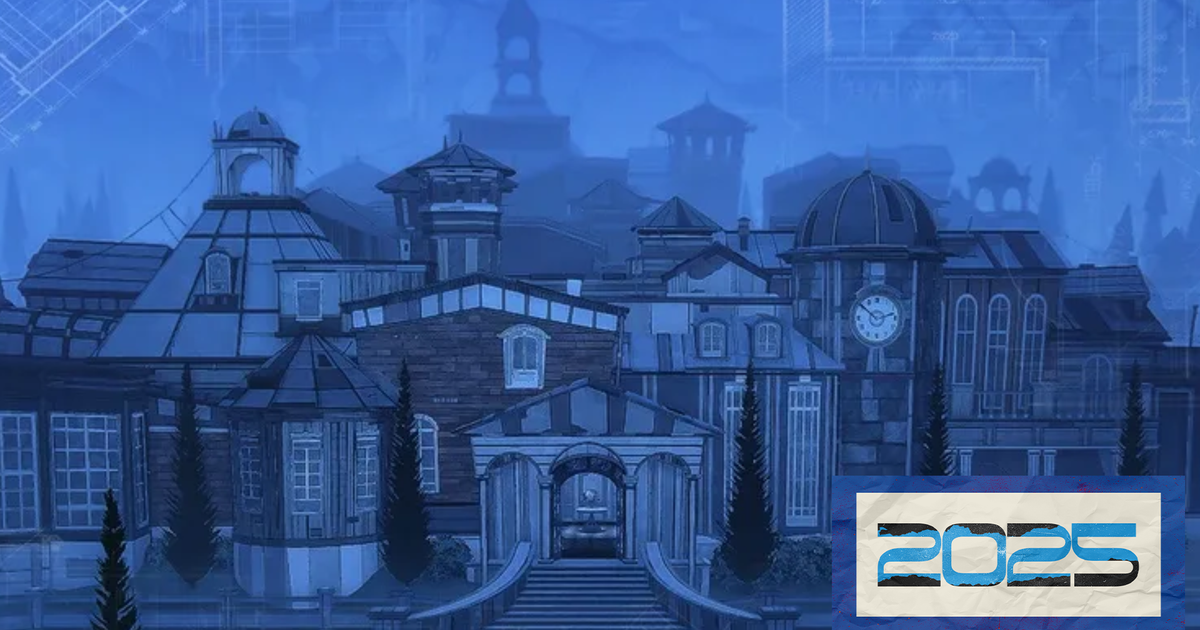
The core gameplay loop is deceptively simple. You explore a constantly shifting house, uncovering rooms filled with fragmented details. Initially, it’s about identifying patterns and solving spatial puzzles to unlock new areas. But as you progress, a captivating dynamic emerges.
You begin to recognize recurring motifs, subtle connections between seemingly disparate rooms. This isn’t accidental. Blue Prince encourages a different kind of engagement – one where observation and intuition are paramount.It’s akin to the best Zelda puzzles, but expanded to encompass an entire, evolving world. You might find yourself lost for weeks, captivated by a single detail, or chasing down tantalizing red herrings.
Beyond Ingenuity: A Resonance with Experience
What elevates Blue Prince beyond mere brilliance is its unexpected emotional resonance. As someone approaching fifty, I found the game speaking to me on a level I hadn’t anticipated. it echoed a sentiment recently encountered in Oscar Wilde’s the Picture of Dorian Grey: “The tragedy of old age is not that one is old but that one is young.”
This isn’t a game about being old, but about confronting the passage of time and the inevitable weight of a life lived.It’s a realization that the present is built upon a foundation of past experiences, and that those experiences shape not only who we are, but what we leave behind.
Blue Prince,at its heart,is a game about absence. It’s about the echoes of lives lived within the walls of this mysterious house. The goal isn’t just to solve puzzles,but to reconstruct the stories of those who came before.
* Uncover Hidden Narratives: You piece together fragments of their lives through wills, letters, postcards, and the objects they chose to conceal.
* decipher Intentional Obscurity: The game rewards careful observation of how things are hidden, suggesting purposeful attempts to protect secrets or shield loved ones.
* Reconstruct a Lost World: Understanding the “secret” of Blue Prince requires understanding the fears, politics, and lived experiences of its former inhabitants.
Confronting Mortality and Legacy
The game prompted a surprisingly personal reflection. I found myself considering my own legacy.How can I minimize the confusion and pain for those I leave behind? How can I offer a sense of closure to the people I love?
These aren’t questions typically prompted by a video game. But that’s precisely what makes Blue Prince so remarkable. It demonstrates the power of interactive media to explore complex, universal themes with nuance and sensitivity. It’s a potent reminder that games aren’t limited by genre or expectation. They can be a vehicle for profound emotional exploration.
Blue Prince isn’t just a brilliant puzzle game; it’s a study in the human condition. It’s a reminder that even the most universal ideas can feel deeply personal. It’s a game that stays with you,prompting introspection and a renewed appreciation for the fragility and beauty of life.
Further exploration: Games of 2025
This article concludes our Games of 2025 series, celebrating the best moments and titles of the year.Explore more of our favorites in the Games of 2025 hub.