Tropical Forests Are Growing Deeper Roots to Combat Drought – But Is It Enough?
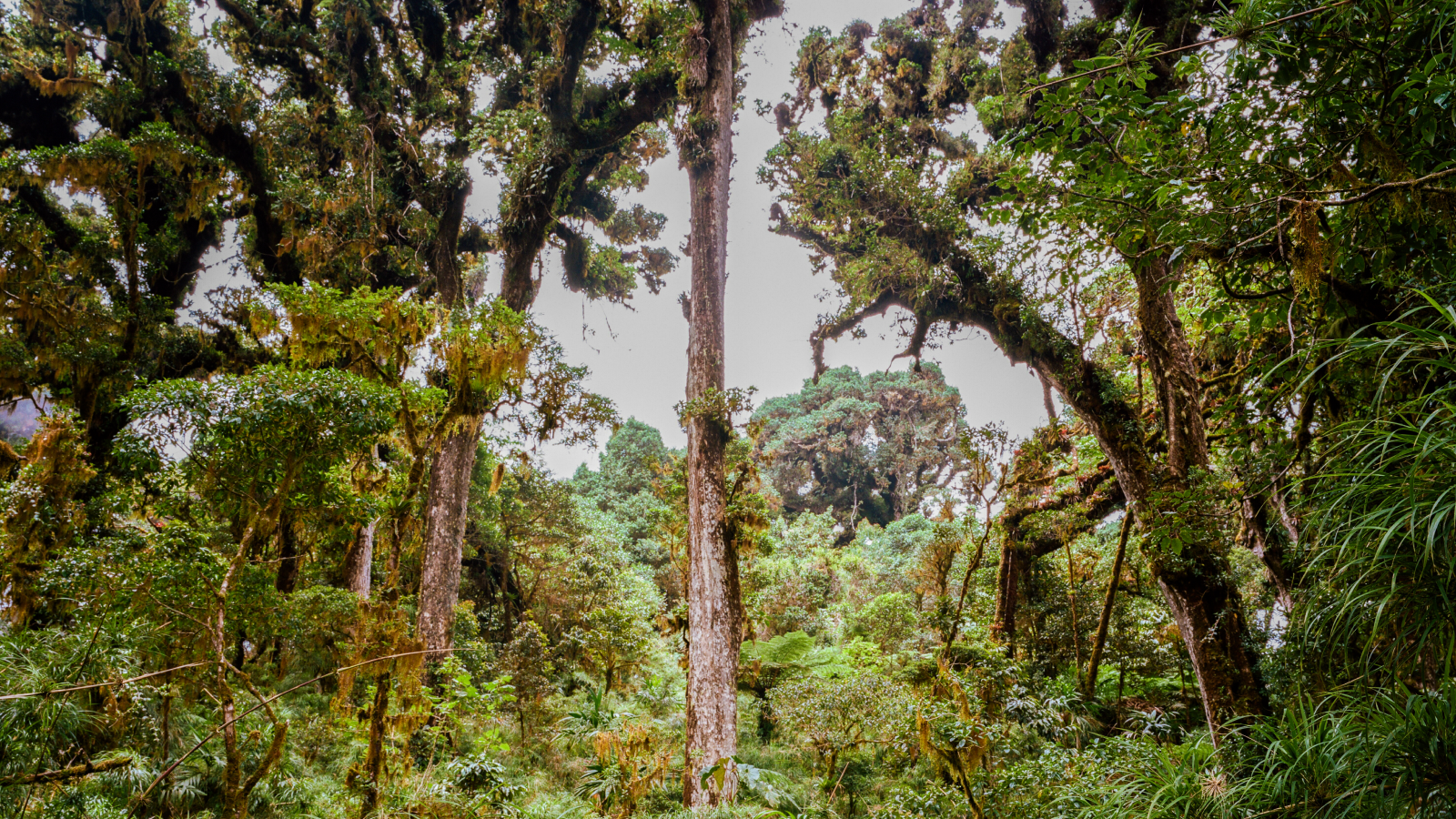
Recent research reveals a engaging, and potentially crucial, adaptation occurring within tropical forests facing increasingly frequent and severe droughts. Trees in Panama are growing longer roots, reaching deeper into the soil to access dwindling water supplies.But while this response offers a glimmer of hope, experts caution it’s not a long-term solution to the escalating challenges of climate change.
the Finding: A Race Downward
Researchers from Colorado State University and the Smithsonian Tropical Research Institute observed this shift in Panama’s tropical forests over a five-year period. they found that trees were significantly increasing the depth of their root systems, effectively ”racing” to find water sources unavailable to shallower roots. This adaptation wasn’t uniform across all species, but it was a widespread response to prolonged dry conditions.
How Do Trees Do It? The Power of Fungi
This deeper root growth isn’t happening in isolation. It’s closely linked to a symbiotic relationship with fungi, specifically mycorrhizal fungi. These fungi form a network within the soil, extending the reach of plant roots and dramatically increasing their ability to absorb water and essential nutrients.
* Essentially, the fungi act as an extension of the root system.
* They enhance the plant’s access to resources,particularly during times of stress.
* The surface roots appear to be attracting more of these beneficial fungi, further boosting nutrient uptake.
A Promising Adaptation, But Not a Guarantee
While this adaptation is encouraging, experts emphasize the need for continued research. Daniela Yaffar, a root specialist at Oak Ridge National Laboratory, highlights that while some species are naturally adapted to drier conditions, the current rate of change is unprecedented.Tropical forests in regions unaccustomed to prolonged drought may not have enough time to evolve.
You might be wondering what this means for the future. Species less capable of adapting to these extreme conditions could face decline or even disappear from the ecosystem, disrupting the delicate balance of the forest.
The Limits of Adaptation
Amanda Cordeiro, the lead author of the study and a researcher at the University of Minnesota, stresses that this five-year observation period is relatively short in the lifespan of a tropical forest. We simply don’t know how long these adaptations can be sustained.
Cordeiro and her team are now focusing on the long-term consequences of these root changes. They are investigating how this adaptation impacts the forest’s ability to store carbon and maintain overall plant health.A key question remains: can increased deeper root production truly help tropical forests withstand chronic drying over many years?
What Does This mean for You?
This research underscores the urgency of addressing climate change. While forests demonstrate a remarkable capacity to adapt, they are not immune to the impacts of a warming planet. Protecting these vital ecosystems requires a multi-faceted approach:
* Reducing greenhouse gas emissions: This is the most critical step in mitigating climate change.
* Supporting lasting forestry practices: responsible forest management can enhance resilience.
* Investing in further research: Understanding the limits of adaptation is crucial for effective conservation strategies.
Ultimately, the fate of tropical forests – and the planet – depends on our collective action. The ability of these forests to adapt offers a window of chance, but it’s a window that is rapidly closing.
Related reading