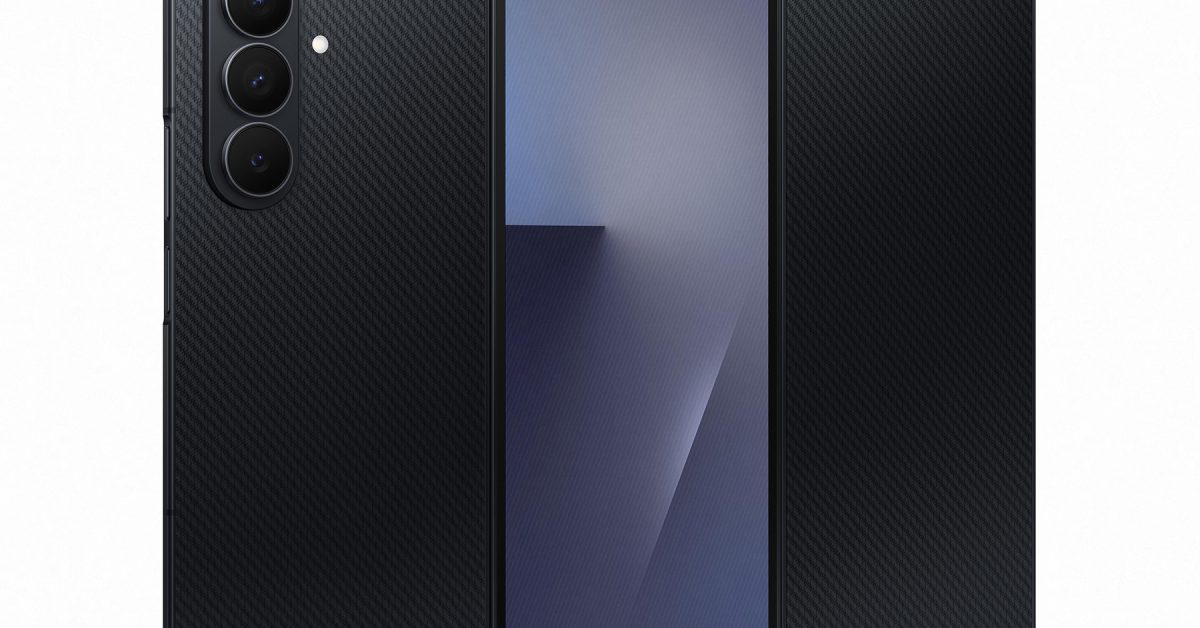
samsungs Galaxy Z TriFold: A Strategic Loss Leader in a Shifting Smartphone Landscape
Are you fascinated by the future of mobile technology? The Samsung Galaxy Z TriFold is making waves, but recent reports suggest Samsung is selling it at a loss. Is this a misstep, or a calculated move in a fiercely competitive market? Let’s dive deep into the details, exploring the costs, the competition, and Samsung’s long-term strategy.
The TriFold’s Price-Performance Paradox
When Samsung unveiled the Galaxy Z TriFold, many were surprised by the price tag. Initial expectations hovered around $3,000, but the actual cost landed between $2,400-$2,500 (converted to US dollars). A bargain for a groundbreaking device, right?
However, a new report from South Korea’s The Bell reveals a surprising truth: Samsung is actually losing money on each unit sold. This isn’t due to a lack of ambition, but a complex interplay of component costs and strategic positioning.
Why is samsung Losing Money on the Z TriFold?
Several factors contribute to this unusual situation:
* High Component Costs: The innovative tri-folding design requires expensive, cutting-edge components. Rising memory prices, in particular, are impacting profitability.
* Limited Production Run: Samsung isn’t aiming for mass production with the Z TriFold. It’s positioned as a “special edition” device, a proof of concept to gauge consumer interest in this new form factor.
* Strategic Investment in Future Tech: Samsung views this initial loss as an investment. They want to get the technology into the hands of early adopters and build excitement for future foldable devices.
As a Samsung VP stated during the launch event, the goal is to “prepare it so that those who want it can try it out,” even if it means absorbing some initial costs.
The Competitive Landscape: Google’s Rise and the Premium Market
Samsung’s decision to absorb losses on the Z TriFold isn’t happening in a vacuum. The smartphone market is becoming increasingly competitive. Google, in particular, is making significant inroads into the premium segment, traditionally dominated by Samsung and Apple.
Recent data shows Google gaining market share in the US premium market (as reported in november 2025). This increased competition puts pressure on Samsung to innovate and maintain its position as a leader in mobile technology.
Beyond Hardware: The Subscription revenue Play
Let’s be honest: in today’s tech world, hardware sales are often just the gateway. The real money lies in recurring revenue streams – software services and AI subscriptions.
Samsung is heavily invested in building out its ecosystem of services, and the Z TriFold can serve as a powerful showcase for these offerings. By getting users invested in the Samsung ecosystem, they increase the likelihood of long-term subscription revenue.
* Samsung Care+: Extended warranty and accidental damage protection.
* Samsung Pay: Mobile payment platform.
* Samsung Cloud: Data storage and backup services.
* Bixby: Samsung’s AI assistant.
This shift in focus explains why Samsung might be willing to take a hit on hardware sales. It’s a long-term play for a more lasting and profitable business model.
What Does This Mean for You?
If you’re considering the Galaxy Z TriFold, you’re looking at a glimpse into the future of mobile. While it may not be a financially sound purchase for Samsung right now, it’s a bold step towards innovation.
You’re essentially paying a premium to be an early adopter, helping to shape the next generation of foldable devices. And, you’ll be experiencing the full suite of Samsung’s software and services, perhaps unlocking a world of convenience and productivity.
Evergreen Insights: The Evolution of Foldable Technology
foldable phones represent a significant departure from the customary smartphone form factor. The journey began with early, experimental designs and has rapidly evolved into increasingly refined and durable devices.
The key challenges in developing foldable technology include:
* Display Durability: Creating a flexible display that can withstand repeated folding and unfolding.
* hinge Mechanism: Designing a robust and reliable hinge that ensures smooth operation.
* Software optimization: Adapting the user interface to seamlessly transition between different screen sizes and orientations.
As these challenges are overcome,we can expect to see foldable phones become more mainstream,offering a compelling choice to traditional smartphones.The Z Tri
Worth a look