India Boosts electronics Manufacturing with ₹41,863 Crore Investment Push
India is rapidly solidifying its position as a global electronics manufacturing hub. The government recently approved 22 additional applications under the Production-Linked Incentive Scheme (PLI) for Electronics Component Manufacturing (ECMS), injecting a ample ₹41,863 crore (approximately $5 billion USD) into the sector. This brings the total investment approved under the ECMS to a significant ₹54,567 crore, demonstrating a strong commitment to building a self-reliant electronics ecosystem.
What does this mean for IndiaS tech ambitions? This latest round of approvals signals a major step towards reducing India’s reliance on imports and fostering domestic innovation in crucial electronic components.
Key Players Driving the Growth
The list of companies receiving approvals reads like a who’s who of the electronics industry. Notable names include:
* TDK India: A leading manufacturer of electronic components.
* BPL: A well-established Indian electronics brand.
* Wipro Hydraulics: Expanding into electronic component manufacturing.
* Motherson Electronic Components: A key player in automotive and industrial electronics.
* Tata Electronics: A rising force in the Indian electronics landscape.
* Foxconn (Yuzhan Technology): A major global electronics manufacturer.
* Samsung Display: A world leader in display technology.
* Dixon: A prominent Indian electronics manufacturing services provider.
* Hindalco: Diversifying into electronic-grade materials.
These companies represent a diverse range of capabilities, covering everything from basic components to advanced sub-assemblies.
components Set for a manufacturing Boost
The approved projects will focus on manufacturing a wide array of essential electronic components. Expect increased domestic production of:
* Capacitors
* Lithium-ion cells (for electric vehicles and portable devices)
* Copper-clad laminates (essential for printed circuit boards)
* Electronic enclosures
* Anode materials (for batteries)
* Connectors
* Display modules
* Camera modules
This diversification will strengthen the entire electronics supply chain within India.
Minister Vaishnaw’s Vision: Design-Led Manufacturing
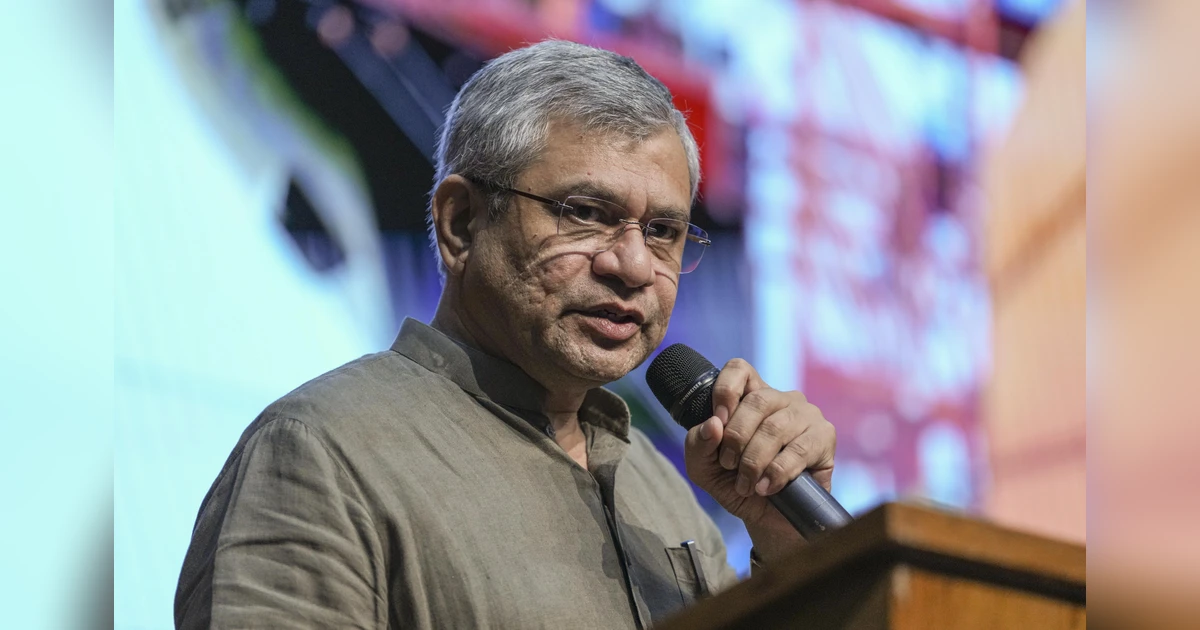
Union Electronics and Information Technology Minister Ashwini Vaishnaw, while distributing the approval letters, emphasized a critical element for long-term success: in-house design capabilities. He urged all companies, regardless of size, to prioritize building dedicated design teams.
“Even a small design team is a crucial starting point,” Vaishnaw stated. “larger teams are, of course, highly encouraged.”
This isn’t just about manufacturing what is designed elsewhere; it’s about designing and manufacturing in India. Vaishnaw also proposed a collaborative approach, suggesting companies partner with educational institutions to establish standardized design facilities, benefiting a wider range of businesses.
focus on Quality, Indigenous Design Centers & Raw Material Sourcing
The government is pushing for a holistic approach to electronics manufacturing, focusing on several key areas:
* Six Sigma Standards: Vaishnaw stressed the importance of adhering to Six Sigma quality control methodologies to ensure globally competitive products.
* Indigenous Design Centers: Companies are tasked with developing a detailed plan within six weeks outlining the resources needed for establishing local electrical, electronics, and mechanical design centers. This includes specifying required tools, software, and hardware.
* Domestic Sourcing: The government is actively encouraging companies to prioritize sourcing raw materials and components from Indian vendors. Vendor-buyer meetings will be facilitated to streamline this process.
Revised DLI scheme: Market Validation is Key
The government is also refining the Design Linked Incentive (DLI) scheme to ensure maximum impact. Future funding will be tied to market validation of designs.
“We will only support designs that demonstrate real-world demand,” Vaishnaw explained. “Financing will be proportional to venture capital funding, aligning with global best practices.”
This shift emphasizes practical innovation and reduces the risk of funding projects with limited market potential.
Semiconductor Assembly Units on Track
vaishnaw confirmed that the four semiconductor chip assembly units – spearheaded by micron, CG Power, Kaynes, and Tata Electronics – are on schedule to begin commercial production before the end of the year.This is a landmark achievement for India’s semiconductor ambitions.
Looking Ahead: India’s electronics manufacturing sector is poised for significant growth. With
Related reading