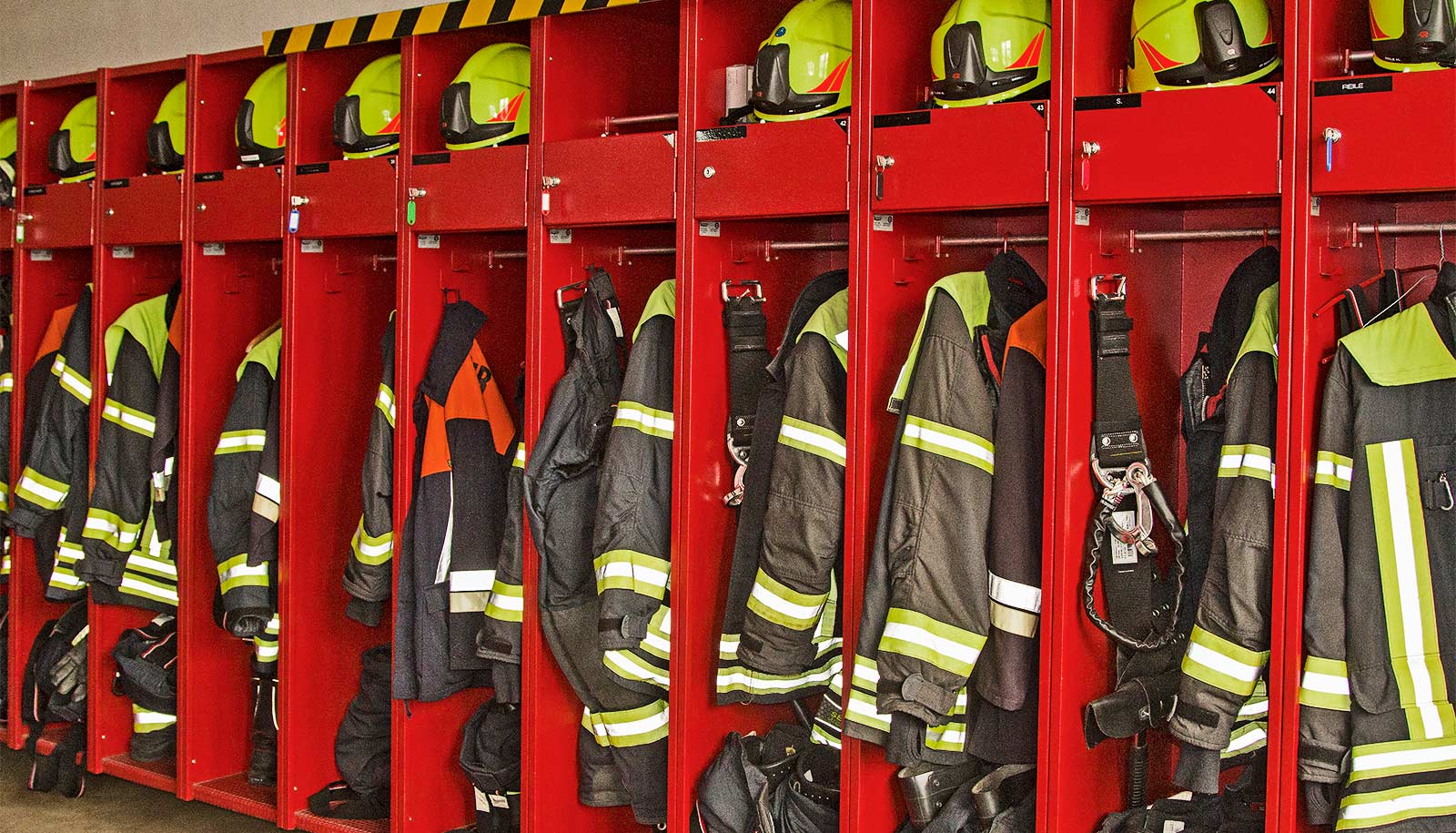
The Hidden Chemical Risks in Firefighter Gear: A Growing Concern
firefighters bravely face hazardous situations daily, and their protective gear is essential for safety. However, a growing body of research reveals that this very gear may contain chemicals posing risks to their long-term health. Understanding these risks and advocating for safer alternatives is crucial for protecting those who protect us.
The PFAS Problem & The Search for Alternatives
For years, firefighters have expressed concerns about per- and polyfluoroalkyl substances (PFAS) found in their turnout gear. These chemicals, used to create water- and oil-resistant textiles, have been linked to serious health issues. These include cancer, thyroid disease, and neurodevelopmental problems.
While a direct link between PFAS in gear and elevated levels in firefighters’ blood hasn’t been definitively established, many manufacturers are proactively phasing out PFAS.This is a positive step, but its also raised a critical question: what’s replacing them?
Brominated Flame Retardants: A New Worry Emerges
Recent studies suggest that manufacturers may be turning to brominated flame retardants (BFRs) as alternatives. Some BFRs are known to be toxic, prompting researchers to investigate their presence in firefighter gear.
A study examined turnout gear manufactured between 2013 and 2020, including newer gear marketed as PFAS-free. Here’s what they found:
* PFAS were present in older gear, but levels were minimal in newer, PFAS-free options - likely from environmental contamination.
* All gear tested contained BFRs.
* Newer, PFAS-free gear actually had higher concentrations of BFRs.
* Decabromodiphenyl ethane, the most common BFR detected, has been linked to thyroid problems.
why This Matters to You & Your Department
These findings are concerning for several reasons. You rely on your gear to keep you safe, but it’s vital to understand potential hidden risks. Moreover, the increased presence of BFRs in newer gear suggests a potential trade-off: eliminating one harmful chemical while introducing another.
Consider these points:
* Exposure Pathways: Chemicals in your gear can be absorbed through the skin, inhaled, or ingested.
* Cumulative Effect: Long-term,repeated exposure to these chemicals can contribute to health problems.
* Limited Research: The full extent of BFRs’ impact on firefighter health is still unkown.
The Call for Transparency & Further Research
The current situation highlights the need for greater transparency from gear manufacturers. Fire departments and firefighters deserve to know exactly what chemicals are used in their protective equipment.
More research is also essential. We need thorough studies to:
* Fully assess the health risks associated with BFRs and other alternative chemicals.
* Develop and evaluate safer materials for turnout gear.
* Monitor firefighters’ exposure levels to these chemicals.
Protecting firefighters requires a proactive approach. It’s not enough to simply remove one problematic chemical; we must thoroughly evaluate the safety of any replacement.Ultimately,prioritizing firefighter health demands ongoing research,open communication,and a commitment to providing the safest possible equipment.
Keep reading
- Does Fructose Help Cancer Spread? New Study Reveals Link Between Sugar and Metastasis
- Director Ahn Ji-suk Passes Away at 63 Following Cerebral Hemorrhage
- Free Cancer Wellness & Exercise Program: Rebuild Strength and Health (archyworldys.com)
- Community Health Workers: A Cost-Effective Model for Primary Health Care (archynewsy.com)