The Echoes of History in Iran’s Protests: Beyond the Current Crisis
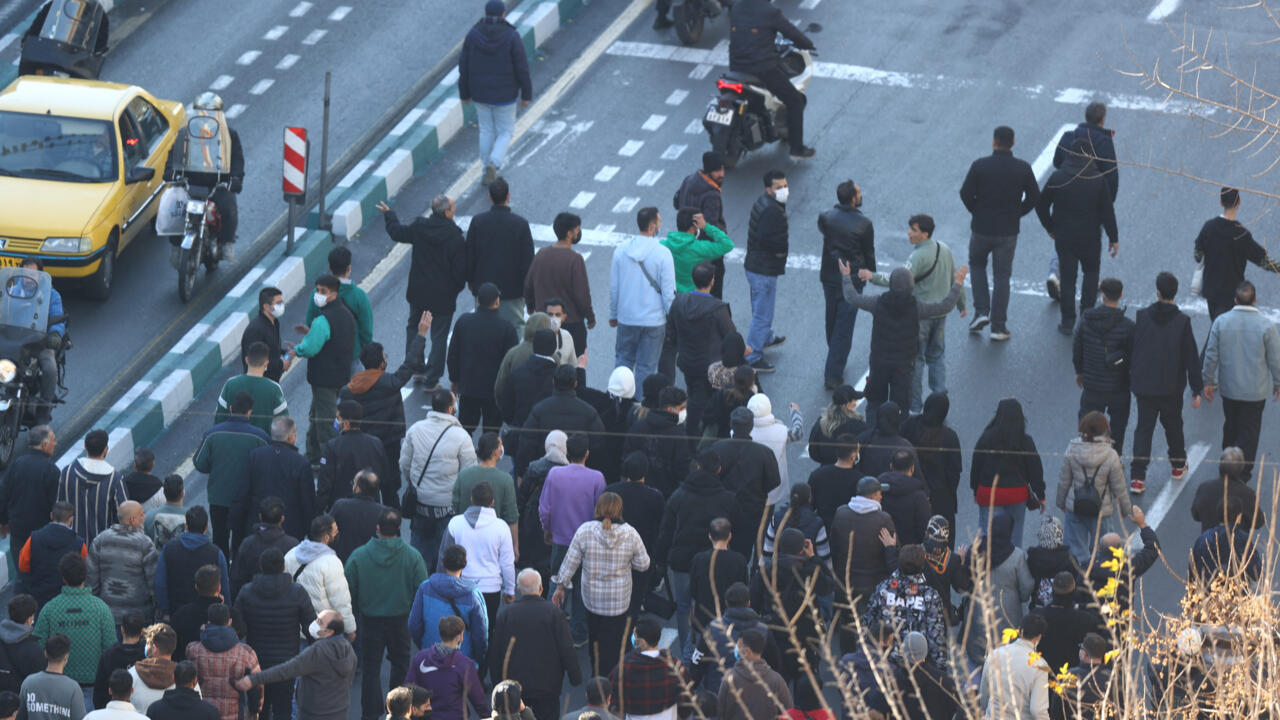
Recent protests in Iran are resonating with complex past and political undertones, revealing a multifaceted struggle for the nation’s future. You’re likely seeing headlines about unrest,but understanding why these protests are unfolding requires a deeper look at the slogans and figures gaining traction. It’s a fascinating, and often surprising, interplay of past and present.
A Return to the Past? The Shah’s Shadow
Political chants are increasingly referencing the era of Shah Mohammad Reza Pahlavi, the last monarch of Iran, who was overthrown in the 1979 Islamic Revolution. His son, Reza Pahlavi, currently residing in the United States, has emerged as a focal point for some opposition groups.
You might hear demonstrators chanting slogans like “This is the final battle, Pahlavi will return!” or expressing reverence with ”Reza Shah, may your soul rest in peace.” This isn’t a simple call for a return to monarchy, however. It’s a complex expression of discontent with the current regime and a longing for a different path.
Controversies and Concerns Surrounding Reza Pahlavi
reza Pahlavi’s position isn’t without it’s critics. Opponents frequently point to his reported close relationship with Israeli President Benjamin Netanyahu. Recent reports suggest potential external influence operations aimed at bolstering his image and even exploring the possibility of reinstating a monarchy.
Specifically, an inquiry revealed alleged efforts during the recent conflict between Iran and Israel to position Pahlavi as a potential leader. This raises questions about foreign interference and the authenticity of support for his cause.
A Rejection of Both Extremes
Importantly, not all protesters support a return to the Pahlavi dynasty. A notable segment actively rejects both the current Islamic Republic and the former monarchy.you’ll hear chants like “Neither Shah nor Mullah,” clearly articulating a desire for a completely new system.
This sentiment highlights a crucial point: the protests aren’t simply about restoring the past. They represent a broader aspiration for basic change and a future free from the constraints of both regimes.
What Unites the protesters?
despite differing allegiances, a common thread unites the majority of demonstrators. They share a collective desire to move beyond the Islamic Republic and forge a new future for Iran.
Here’s a breakdown of the key elements driving the protests:
* Discontent with the Current Regime: Years of economic hardship, social restrictions, and political repression have fueled widespread anger.
* Desire for Political Freedom: Protesters are demanding greater freedoms of expression, assembly, and political participation.
* Economic Chance: Many Iranians are seeking improved economic conditions and opportunities for a better life.
* A Vision for a Different Future: The protests represent a yearning for a more just, equitable, and prosperous Iran.
Ultimately, the slogans and figures emerging from the Iranian protests reveal a nation grappling with its history and striving for a future that reflects its aspirations. It’s a dynamic situation, and understanding these nuances is key to comprehending the unfolding events.
Related reading