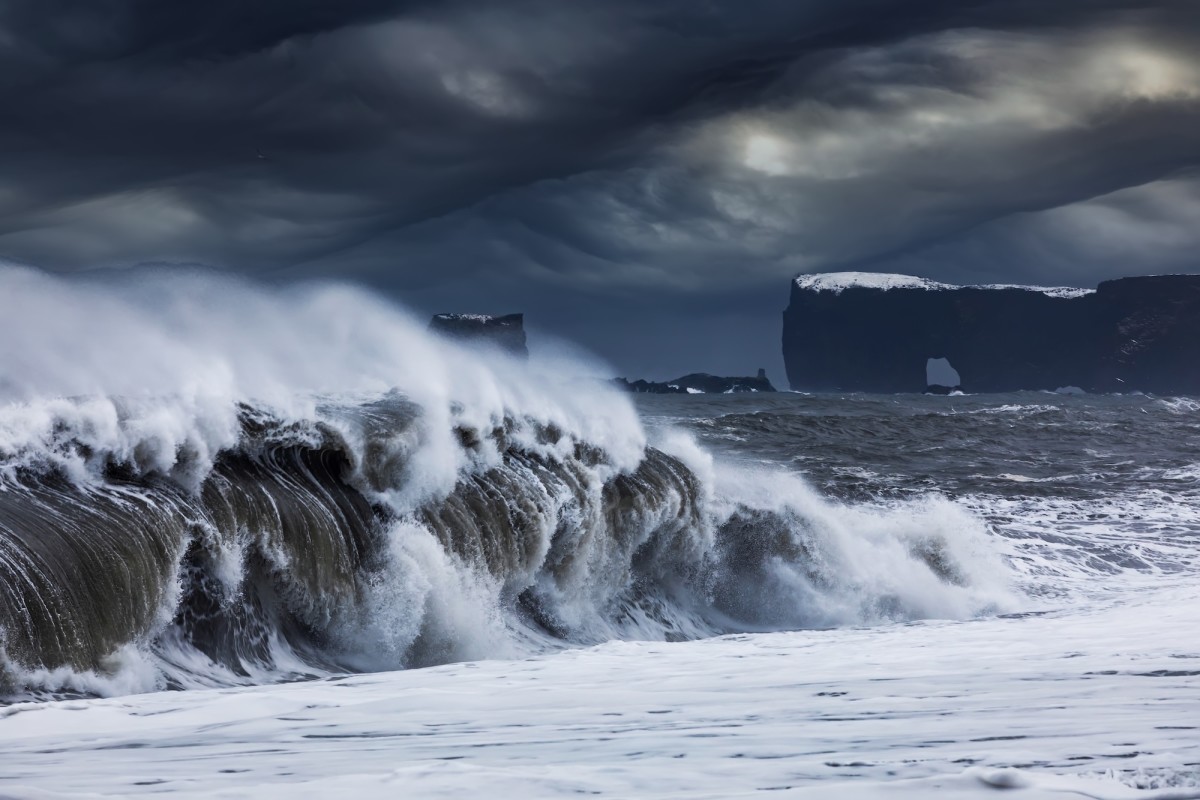
Reynisfjara: Iceland’s Black Sand Beach – A Deadly Beauty Demanding Respect
Reynisfjara, Iceland’s iconic black sand beach, captivates visitors with its dramatic basalt columns and powerful Atlantic waves. However, this breathtaking landscape harbors a dark side, one that has tragically claimed lives and continues to pose a significant threat to those who underestimate its power. Understanding the dangers and respecting the warnings is crucial for a safe visit.
The Hidden Threat of Sneaker Waves
Reynisfjara acts as a natural funnel for large North atlantic swells. These swells generate unpredictable “sneaker waves” – surprisingly large waves that surge much further up the beach than normal. They appear without warning and can easily knock you off your feet, pulling you into the frigid, unforgiving ocean.
These aren’t your typical beach waves.The currents are incredibly strong, and undertows can quickly sweep you out to sea, making rescue extremely tough, if not unachievable.
A History of Tragedy
Sadly, Reynisfjara has a documented history of fatalities. Between 2013 and 2024,emergency services responded to numerous incidents,resulting in six deaths. These tragedies underscore the very real danger present,even on seemingly calm days.
Recent incidents highlight the continued disregard for safety. Despite clear, highly visible warnings – including flashing red sirens – tourists have been observed venturing too close to the shoreline, narrowly avoiding becoming another statistic.
Heed the Warnings: Your Safety is Paramount
Local authorities have implemented warning signals and increased safety measures, but ultimately, your safety depends on your own judgment and adherence to guidelines. Here’s what you need to know:
* Never turn your back on the ocean. Even a seemingly calm sea can unleash a powerful wave in an instant.
* Maintain a safe distance from the water’s edge. The recommended safe zone is at least 20 meters (65 feet) from the shoreline.
* Pay attention to warning signs. These are there for a reason, and they are frequently updated based on current conditions.
* Be aware of your surroundings. Constantly scan the ocean for changes in wave patterns.
* Supervise children closely. They are notably vulnerable to the unpredictable waves.
* Don’t attempt to get “the perfect photo.” No picture is worth risking your life.
Understanding the Dangers: A Closer look
The Icelandic tourism industry emphasizes the hidden dangers of Reynisfjara.Here’s a breakdown of the risks:
* Powerful, sudden waves: These can appear without warning, even on calm days.
* Strong currents and undertows: These can quickly pull you out to sea.
* Unpredictable wave patterns: The beach’s unique geography creates unpredictable wave behavior.
* Cold water temperatures: Hypothermia can set in quickly, even in summer.
Recent near Misses & Past Incidents
A recent video circulating online shows tourists blatantly ignoring flashing warning signals and approaching the shoreline.Thier close call serves as a stark reminder of the potential consequences.
Previously, a tourist attempting to photograph a breaking wave from the cliffside was swept into the ocean by a rogue wave. These incidents demonstrate that the danger is constant and affects visitors of all experience levels.
respect mother Nature: A Final Plea
Reynisfjara is a stunning example of nature’s raw power and beauty. However, it’s a force to be respected, not trifled with. Don’t underestimate the ocean’s strength.
Remember, a safe and memorable visit to Reynisfjara requires vigilance, respect, and a commitment to following safety guidelines. Your life is far more valuable than any photograph or fleeting moment of thrill-seeking.
Related Resources:
* Man Obliterated by Wave at Iceland’s Deadliest Beach (Video)
* [Terrifying Video of Deadly Rogue Wave in Canary Islands (Watch)](https://www.surfer.com/news/rogue
Related reading