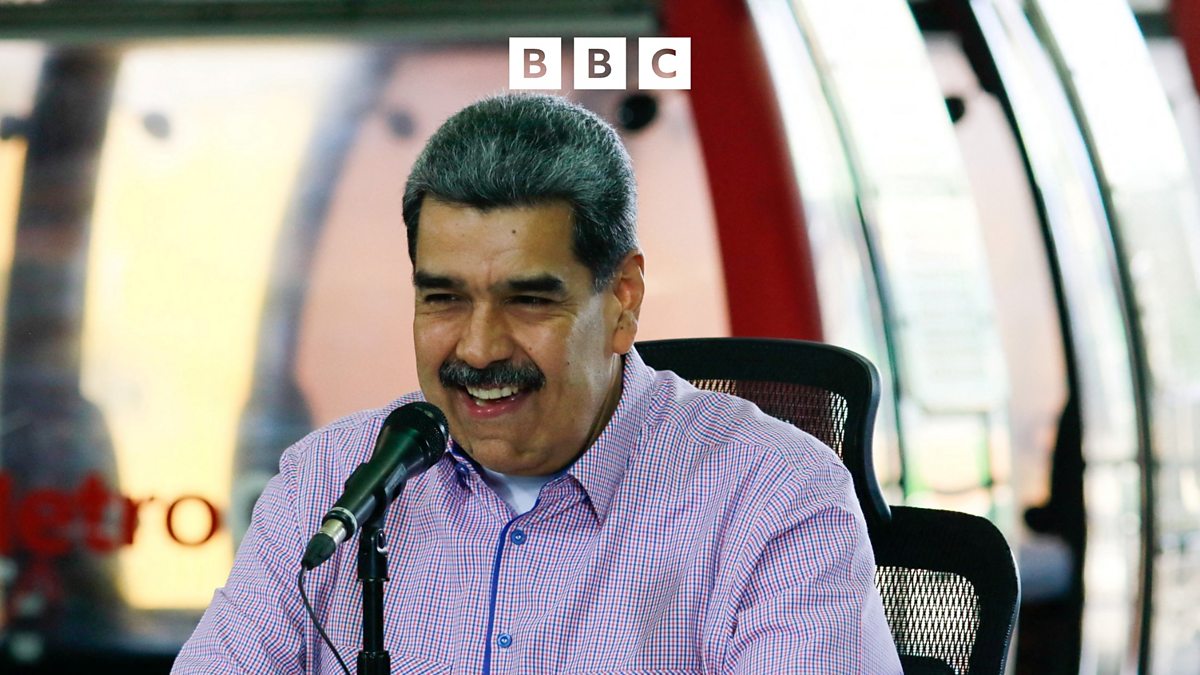
US Military Intervention in Venezuela: A Developing Crisis
the world is reacting to a stunning turn of events: a large-scale US military strike against Venezuela, resulting in the capture of president Nicolás maduro adn his wife. This unprecedented action,announced by former President Trump via his Truth Social platform,has plunged Venezuela into a national emergency and ignited international debate. But what exactly happened, what are the charges, and what does this mean for the future of Venezuela and US-Latin American relations?
The Immediate Aftermath
initially, President Trump declared the successful operation, stating Maduro and his wife were en route to the US to face trial.Venezuela’s government swiftly responded, declaring a national emergency and reporting casualties among both military personnel and civilians. Currently, Caracas is demanding verifiable proof of Maduro and the First Lady’s well-being, fueling anxieties and distrust.
US Attorney General Pamela Bondi has asserted the couple will be prosecuted on charges of drug trafficking and terrorism, promising a rigorous legal battle on american soil. This swift and decisive action raises critical questions about international law, sovereignty, and the justification for military intervention.
Understanding the Allegations
for years, the US government has accused Maduro’s regime of widespread corruption, human rights abuses, and involvement in the international drug trade. Specifically, allegations include:
* Drug Trafficking: Accusations center around the alleged facilitation of cocaine shipments to the US, with high-ranking Venezuelan officials implicated in the process.
* Terrorism Links: The US has claimed connections between the Maduro government and various terrorist organizations, alleging support and safe harbor provided to these groups.
* Undermining Democracy: Critics argue Maduro has systematically dismantled democratic institutions in Venezuela, suppressing opposition and rigging elections.
These accusations have steadily escalated, culminating in the recent military intervention. However, the validity of these claims and the proportionality of the response remain hotly contested.
International Reactions and concerns
The international community is largely divided. Several nations have expressed concern over the US action, citing violations of Venezuelan sovereignty and the potential for further instability in the region. others, particularly those critical of Maduro’s regime, have offered cautious support.
Key concerns include:
* Humanitarian Crisis: Venezuela is already grappling with a severe economic and humanitarian crisis. Military intervention risks exacerbating this situation, leading to increased suffering and displacement.
* Regional Instability: The intervention could embolden other actors in the region and trigger a wider conflict.
* Legality and Precedent: The unilateral use of force raises questions about international law and sets a potentially dangerous precedent for future interventions.
What Happens Next?
the immediate future remains uncertain. The legal proceedings against Maduro and his wife will undoubtedly be closely watched. Concurrently, the US faces the challenge of stabilizing Venezuela and addressing the underlying issues that contributed to the crisis.
You should expect to see:
* Increased US Involvement: A likely increase in US diplomatic,economic,and potentially military presence in Venezuela.
* Political Negotiations: Attempts to establish a transitional government and pave the way for free and fair elections.
* Humanitarian Aid Efforts: A surge in humanitarian aid to address the immediate needs of the Venezuelan population.
However, the path forward will be fraught with challenges, requiring careful consideration of all stakeholders and a commitment to long-term stability.
Evergreen: The History of US-Venezuela Relations
Understanding the current crisis requires a look back at the complex history between the US and Venezuela.Historically, Venezuela was a key US ally and a major oil supplier. However, relations began to deteriorate under Hugo Chávez, Maduro’s predecessor, who pursued socialist policies and challenged US influence in the region.
Over the years, the US imposed sanctions on Venezuela, citing human rights abuses and corruption. These sanctions, while intended to pressure the maduro regime, arguably exacerbated the country’s economic woes. This escalating tension ultimately culminated in the recent military intervention, marking a dramatic shift in US policy towards Venezuela.
FAQ: US Intervention in Venezuela
1. What are the primary charges against Nicolás Maduro?
Maduro and his wife are facing charges of drug trafficking and terrorism in US courts, as announced by Attorney General Pamela Bondi.
2. Is the US military intervention in Venezuela legal under international law?
The
- Aaron Farinacci Charged With Arson in Destructive Spokane Old Trails Fire
- Wesley Bell Defeats Cori Bush in Missouri Democratic Primary Rematch
- US Labor Market Stabilizes as Jobless Claims Fall and Openings Hold Steady (archyworldys.com)
- Trump’s Former Lawyer Clears Key Hurdle for Attorney General Role (world-today-news.com)