
A New Wave of “Waiting for Godot“: Reviving Beckett Through Language, Community, and Unexpected Settings
Samuel Beckett‘s seminal play, ”Waiting for godot,” is experiencing a remarkable resurgence, moving beyond customary theatrical confines and embracing innovative interpretations. This isn’t simply about restaging a classic; it’s about unlocking new layers of meaning through linguistic diversity, community engagement, and unconventional performance spaces.
Ulster Scots and the Longing for Recognition
Recently, a production of “Godot” in Ulster Scots is garnering attention, championed by linguist Dr. michael Ferguson. He views Ulster Scots not as a mere dialect, but as a fully realized language. Following the Good Friday Agreement, the language is now “discovering itself and trying to find its way in the world.”
The play’s themes of waiting, hoping, and longing resonate deeply with the experience of minority languages. Ferguson explains that these languages are perpetually “longing for that sort of moment of salvation, that moment of revelation.” Therefore, the play’s central metaphor of awaiting a transformative figure or event aligns perfectly with the Ulster Scots language’s own journey toward revitalization and recognition.
A Global Biennale: Expanding Beckett’s Reach
This innovative approach is part of a larger, ambitious project: a new Samuel Beckett Biennale launching in 2026.Over the next decade, the biennale will explore unconventional interpretations of Beckett’s work. Productions will include translations into languages like Aboriginal Noongar, Sami, and Inuit.
Furthermore, the Biennale aims to challenge conventional casting practices. It will feature productions starring actors experiencing homelessness, offering a platform for voices often unheard. This initiative directly contrasts the current trend of high-profile celebrity castings.
Beyond Celebrity: Reclaiming the Core of Beckett
While acknowledging the promotional power of “celebrity Godot” – with recent performances featuring stars like Keanu reeves, Patrick Stewart, and Robin Williams - organizers recognize a potential drawback. These productions, while attracting audiences, can overshadow other valuable perspectives.
arts Over borders, the producing organization, intends to return “Godot” to its origins. The play first premiered in French in Paris in 1953, followed by productions in London and Dublin two years later. The Biennale seeks to recapture that initial spirit of experimentation and intellectual rigor.
A Multi-National Stage
The Samuel Beckett Biennale will unfold across rural and urban landscapes in Northern Ireland, the Republic of Ireland, and England. The first performances are scheduled for Good Friday, April 3, 2026 – a date deliberately chosen as Beckett was born on Good Friday. The Biennale will return in 2028, continuing its exploration of Beckett’s work through a diverse and inclusive lens.
Key Takeaways:
* Linguistic Exploration: The Biennale is prioritizing translations into lesser-known languages, highlighting the global themes within Beckett’s work.
* Community Focus: Casting actors from marginalized communities provides a platform for authentic storytelling and challenges traditional theatrical norms.
* Reclaiming Roots: The biennale aims to reconnect “Godot” with its original artistic intent, moving beyond spectacle and toward deeper engagement.
* Geographic Scope: Performances will span across Ireland and England, fostering cross-cultural dialog and accessibility.
This renewed focus on accessibility and diverse representation promises to breathe fresh life into Beckett’s masterpiece, ensuring its continued relevance for generations to come.
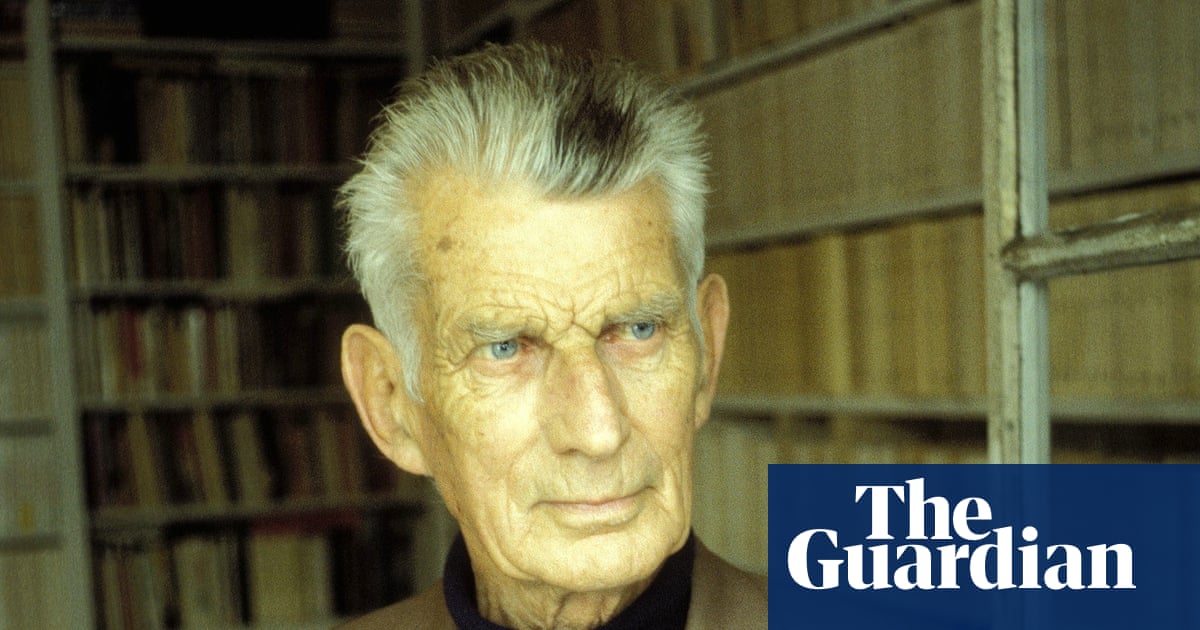
Editorial Note: an earlier version of this article contained an inaccurate date for a photograph of Samuel Beckett. The image was taken in 1985, not 1997. Samuel Beckett passed away in 1989.


