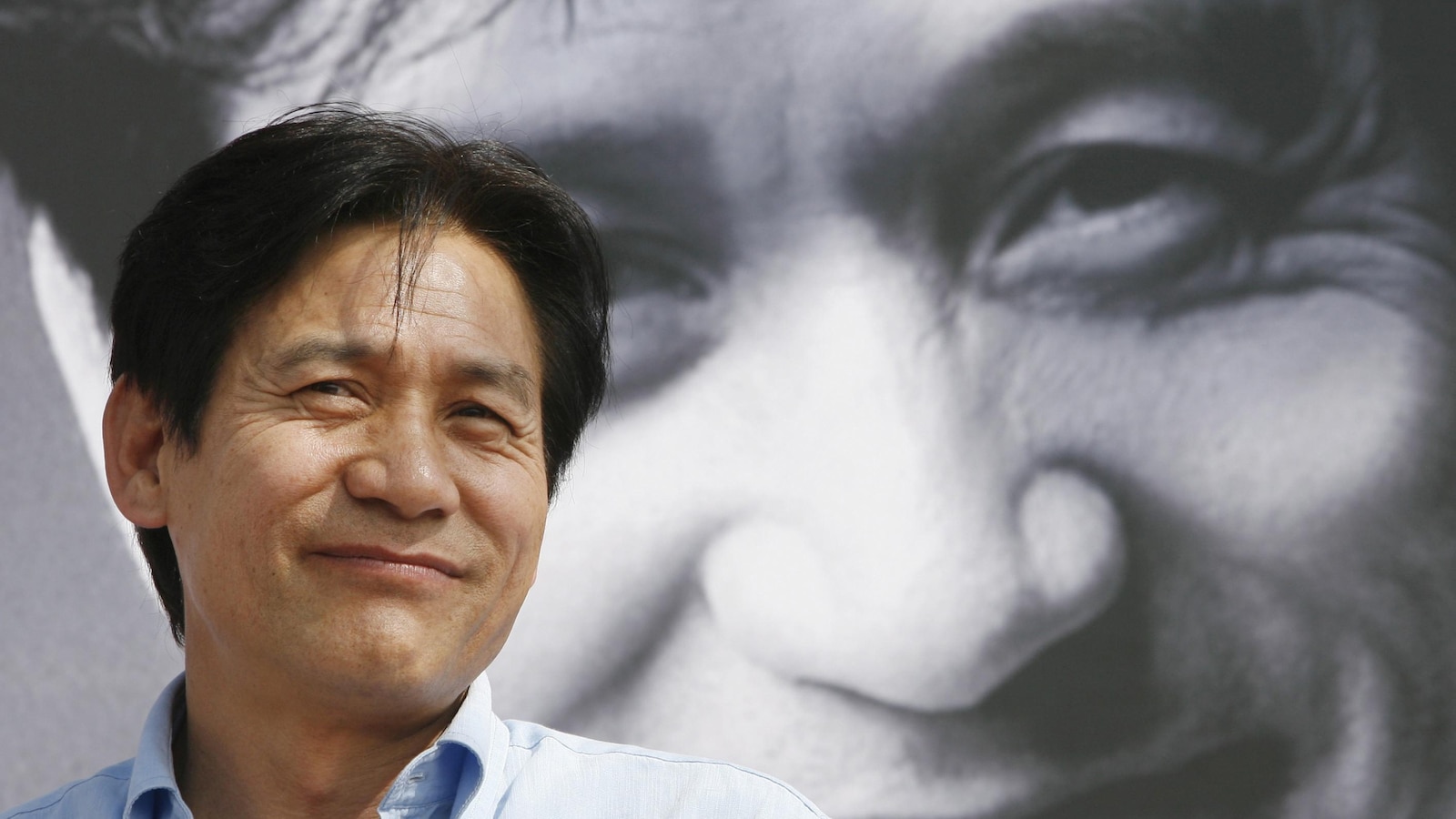
ahn sung-ki, “The Nation’s Actor,” Passes Away at 73
Ahn Sung-ki, a towering figure in South Korean cinema and affectionately known as “The nation’s Actor,” has died at the age of 73. His passing marks the end of an era for Korean film, leaving behind a legacy of impactful performances and a reputation for unwavering integrity.
For decades, Ahn captivated audiences wiht his versatility and depth, becoming a symbol of trust and relatable humanity on screen. He wasn’t just an actor; he was a cultural icon.
A Career Defined by Excellence
Ahn’s journey to stardom began with his debut and quickly blossomed into a prolific career spanning several decades. He rose to prominence in the 1980s and 90s, consistently delivering critically acclaimed performances that resonated deeply with the public.
He garnered numerous accolades, including a record-breaking five Grand Bell Awards for Best Actor – a feat unmatched by any other South Korean performer. This demonstrates his consistent dedication to his craft and the profound impact he had on the industry.
Memorable Roles & A Diverse Filmography
Throughout his career, Ahn embraced a wide range of characters, showcasing his remarkable range. Some of his most memorable roles include:
* A contemplative Buddhist monk in the 1981 film “mandara.”
* A poignant portrayal of a beggar in 1984’s “whale Hunting.”
* A complex Vietnam War veteran-turned-novelist in 1992’s “White Badge.”
* A morally ambiguous corrupt police officer in 1993’s “Two Cops.”
* A chilling performance as a murderer in 1999’s “No Where To Hide.”
* A dedicated special forces trainer in the action-packed 2003 film “Silmido.”
* A heartwarming depiction of a devoted celebrity manager in 2006’s “radio Star.”
thes roles, and many others, cemented his status as a versatile and compelling actor. You could always count on Ahn to deliver a nuanced and believable performance.
“The Nation’s Actor” - A Title Earned
Ahn wasn’t simply a popular actor; he was beloved. Public opinion polls consistently identified him as South Korea’s most cherished actor, leading to the enduring nickname “The Nation’s Actor.”
Interestingly, he initially felt burdened by this title, but later recognized it as a guiding force in his career. He felt a duty to live up to the image of integrity and trustworthiness that the moniker implied. He ultimately embraced the role, shaping his choices to align with the expectations of his audience.
A Man of Principle & Quiet Dignity
Beyond his acting prowess,ahn was known for his humble demeanor and stable personal life. He skillfully avoided major scandals, maintaining a reputation for being a trustworthy and family-oriented figure.
he was also famously reserved when it came to romantic scenes,admitting to feeling shy and uncomfortable with overtly passionate portrayals. He prioritized authenticity in his performances, and if a scene didn’t feel genuine to him, he wasn’t afraid to ask directors to modify it. This commitment to his principles further endeared him to the public.
A lasting Legacy
In a 2023 interview, Ahn reflected on his career, stating that the “Nation’s Actor” title ultimately guided him in a positive direction. While he struggled to pick a single favorite role, he identified his character in “Radio Star” – a dedicated manager – as the one that most closely mirrored his own personality.
Ahn Sung-ki is survived by his wife and two sons. A mourning period was held at a Seoul hospital, allowing fans and colleagues to pay their respects. His contributions to South Korean cinema will undoubtedly continue to inspire generations of actors and filmmakers. He leaves behind a void that will be difficult to fill, but his legacy as “The Nation’s Actor” will endure.
Related reading