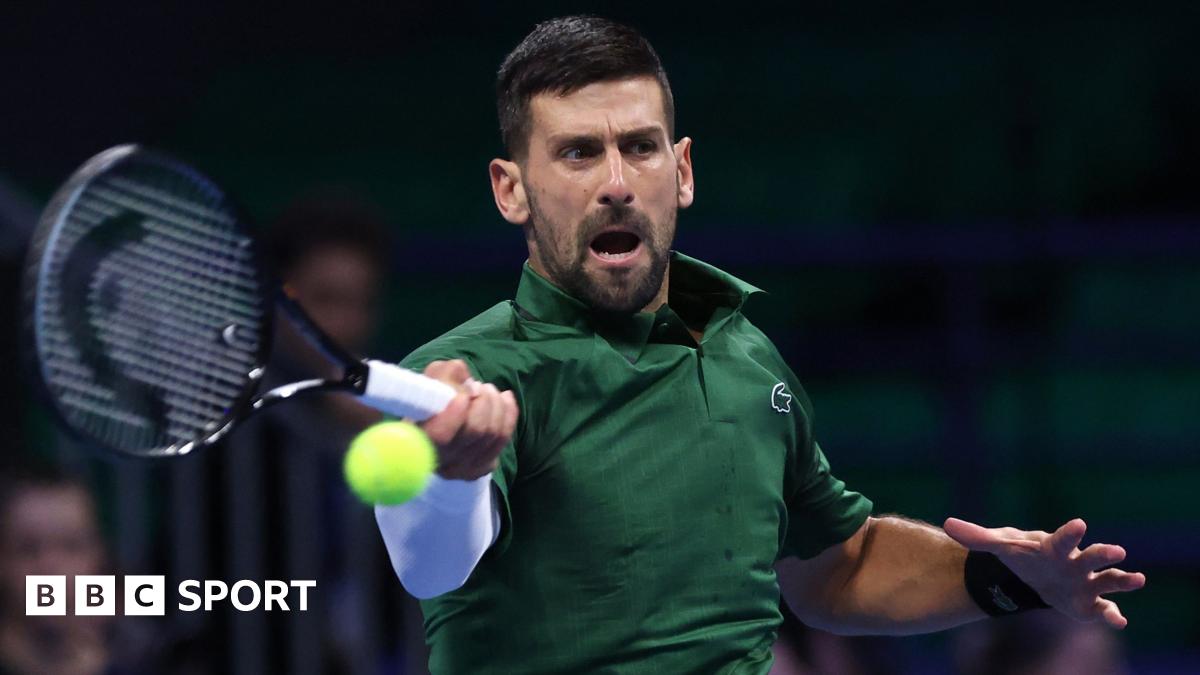
The Australian Open Scheduling Debate: Are Late Night Matches Hurting Tennis?
The relentless pursuit of captivating tennis action at the Australian Open often extends deep into the Melbourne night. But is this late-night spectacle coming at a cost? Recent calls from top players like Daniil medvedev, echoing concerns previously voiced by Novak Djokovic and Andy Murray, are sparking a crucial conversation about Australian Open scheduling and its impact on players, fans, and the sport itself. This article delves into the complexities of this debate, exploring the reasons behind the late finishes, the arguments for and against change, and potential solutions for a more balanced and enjoyable tournament experience.
The Problem with Prolonged Play
The core issue revolves around the current scheduling practice of beginning night sessions at 7:00 PM local time, with two matches slated for Rod laver Arena and Margaret Court Arena. While designed to maximize viewership, this often leads to matches concluding well past midnight – and sometimes even into the early hours of the morning.
Did You Know? Andy Murray’s 2023 Australian Open match finished at 4:05 AM local time, a result he publicly labeled a “farce.”
Daniil Medvedev’s recent experience, finishing a match at 2:55 AM, further fueled the debate. He eloquently pointed out the parallel to other sports: “I like soccer, but here [in Australia] I don’t watch the Premier League as it’s at two in the morning.” This highlights a key point – accessibility and viewer fatigue. Are excessively long matches diminishing the overall enjoyment of the tournament?
Player Perspectives: Fatigue and Recovery
The physical toll on players is a notable concern. Extended matches, coupled with late finishes, disrupt sleep patterns and hinder recovery. This is particularly problematic in a Grand Slam tournament where players need to compete multiple times over a two-week period.
* Reduced Recovery Time: Late finishes leave players with less time to prepare physically and mentally for their next match.
* Increased Injury Risk: Fatigue can contribute to muscle strains,cramps,and other injuries.
* Performance Impact: Suboptimal recovery can negatively affect on-court performance.
Djokovic and Murray have consistently voiced these concerns, advocating for adjustments to the schedule to prioritize player well-being. The question is, how can the tournament balance the demands of broadcasting and fan engagement with the needs of the athletes?
Fan Experience: A Double-Edged Sword
Late night matches present a dilemma for fans as well. While the atmosphere of a packed stadium under the lights is undeniably electric, the late finishes pose practical challenges.
* Travel Difficulties: Fans relying on public transportation face limited options after late-night matches.
* Work/School Commitments: Many fans have work or school commitments the following day, making it difficult to stay until the very end.
* Diminished Enjoyment: Fatigue can detract from the overall viewing experience,even for dedicated tennis enthusiasts.
However,the night sessions are popular. They offer a prime-time viewing opportunity for a global audience and contribute significantly to the tournament’s revenue. Finding a solution that satisfies both players and fans is the ultimate challenge.
Potential Solutions: Adjusting the Schedule
Several potential solutions have been proposed to address the Australian Open night session scheduling issue.
Pro Tip: Consider utilizing streaming services to catch up on matches if you can’t attend in person or stay up late. Many platforms offer on-demand replays and highlights.
Here are a few options:
- Earlier Start Times: Shifting night sessions to begin at 6:00 PM or 6:30 PM could allow matches to conclude at a more reasonable hour. Medvedev specifically suggested this, noting it would shift a 3:00 AM finish to 2:00 AM.
- Shorter Match Schedules: Reducing the number of matches scheduled for night sessions could prevent backlogs and late finishes.
- Strategic Scheduling: Prioritizing shorter matches or those featuring players less likely to engage in lengthy battles for the night sessions.
- Tie-Break Adjustments: Implementing a shorter format tie-break in deciding sets could reduce match duration. (Though this is a controversial suggestion, impacting the
Related reading