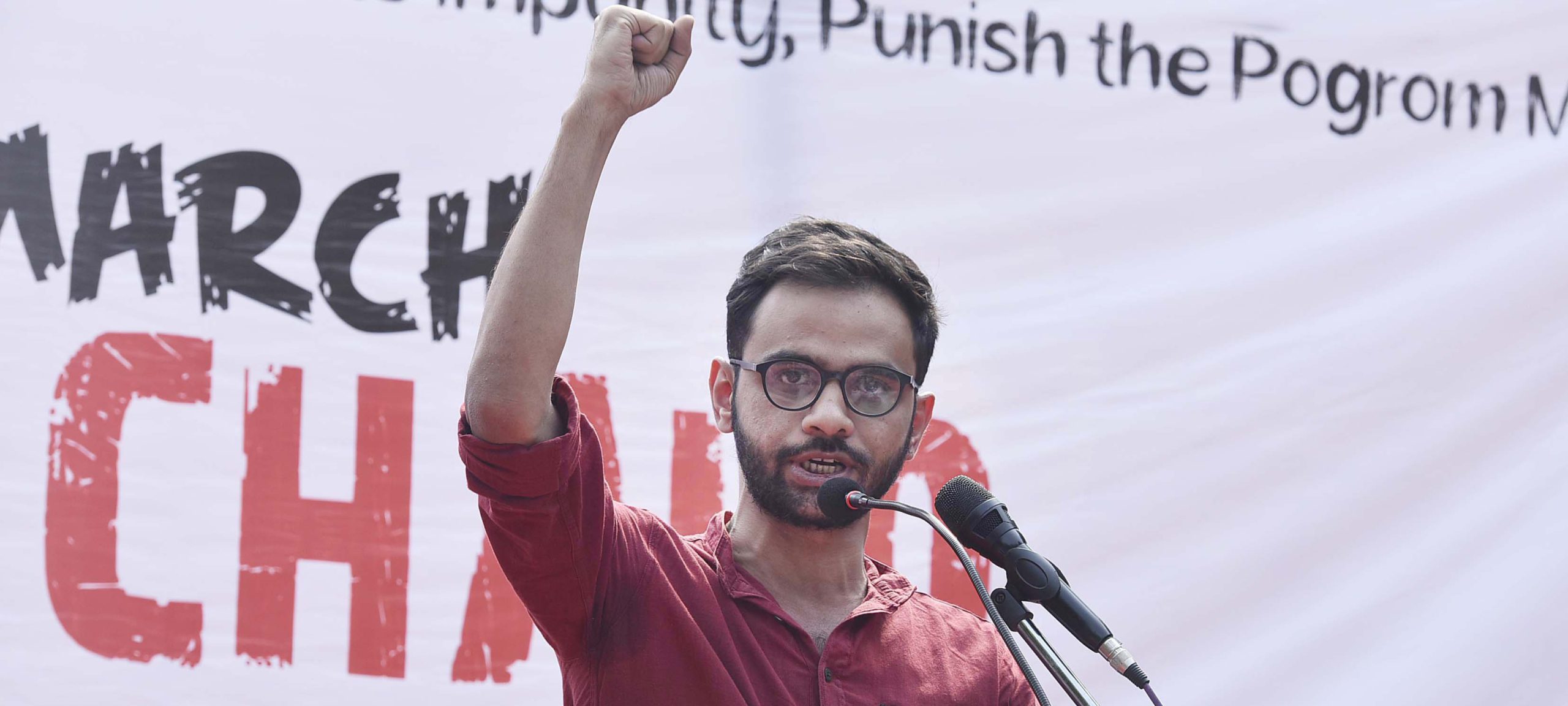
The recent Supreme Court decision regarding the bail applications of several activists involved in protests against the Citizenship Amendment Act (CAA) has sparked renewed debate about pre-trial detention and the right to peaceful assembly in India. As of January 6, 2026, the court denied bail to Umar Khalid and Sharjeel Imam, while granting it to Meeran Haider, Gulfisha Fatima, shifa Ur Rehman, Shadab Ahmed, and Saleem Khan - individuals who have spent over five years in detention facing terrorism-related charges.
Prolonged Detention and the Question of Justice
I’ve found that cases like these highlight a troubling trend: the increasing normalization of lengthy pre-trial detention. It’s a situation where individuals are held for extended periods without conviction, raising serious concerns about due process and fundamental rights. The court’s decision to deny bail to Khalid and Imam,despite the length of their detention,is especially concerning,as it suggests a presumption of guilt before a trial has even concluded.
The Supreme Court also imposed significant restrictions on any future bail applications from Khalid and Imam. Specifically,they can only seek bail again after the prosecution completes examining its protected witnesses,or after one year from the date of the order – effectively leaving their fate in the hands of the prosecution’s timeline. This condition, as many legal experts argue, unduly restricts their right to a timely judicial review of their detention.
This judgment underscores a deeply worrying pattern in which prolonged pre-trial detention is becoming normalized.
Aakar Patel
Imposing a blanket ban on bail for a year, without a clear justification, severely limits the detainees’ ability to challenge the legality and necessity of their continued imprisonment. Considering they’ve already been held for over five years without a trial, this restriction feels particularly unjust. It’s a stark reminder that justice delayed is, indeed, justice denied.
The Context: Protests and Allegations
The arrests began in early 2020, following protests against the Citizenship Amendment Act (CAA). Sharjeel Imam was detained on January 28, 2020, accused of inciting communal violence through his speeches during these demonstrations. Meeran Haider faced similar charges on April 1, 2020, despite his documented participation in non-violent protests.
Gulfisha Fatima was arrested on april 9, 2020, facing accusations of rioting and assault, even though she was also involved in peaceful demonstrations. Later that month, on April 26, Shifa ur-Rehman, the president of the Jamia Millia Islamia Alumni Association, was also detained on allegations of inciting violence. In each instance, the evidence suggests these activists were targeted not for any violent acts, but for their outspoken opposition to the CAA and their exercise of civic dissent.
Did You Know? According to a 2023 report by the National Crime Records Bureau (NCRB), the number of individuals detained as under-trial prisoners in India has increased by 12% in the last five years, raising concerns about the overburdened judicial system and the prolonged detention of individuals awaiting trial.
The Impact of UAPA and Pre-Trial Detention
The Unlawful Activities (Prevention) Act (UAPA) plays a significant role in these cases. This law,designed to address activities deemed threatening to India’s sovereignty,has been criticized for its broad definitions and potential for misuse. It often leads to prolonged detention as investigations can take years, and the burden of proof often falls heavily on the accused.
Pro Tip: If you or someone you know is facing charges under the UAPA, it’s crucial to seek legal
Related reading