The landscape of cardiovascular disease treatment is undergoing a fascinating shift, moving beyond traditional approaches to explore the potential of existing medications for new purposes. Recent advancements in artificial intelligence and data analysis are revealing unexpected connections between drugs developed for seemingly unrelated conditions and heart health. This innovative approach, known as drug repurposing, promises to accelerate the finding of effective therapies and offer new hope for individuals facing heart challenges.
Uncovering Hidden Potential in Existing Drugs
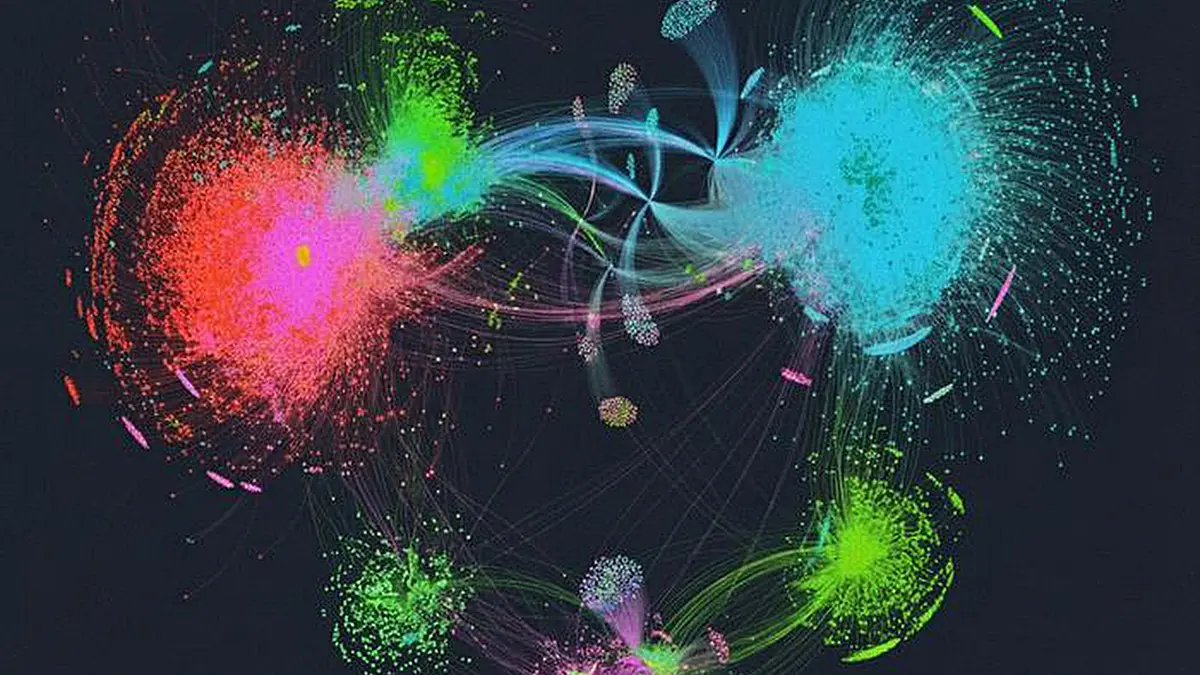
Researchers are increasingly focused on leveraging the power of “knowledge graphs” – complex networks of biological data – to identify these hidden therapeutic opportunities. These graphs integrate vast amounts of information, including genetic data, imaging results, and clinical records, allowing scientists to pinpoint potential drug candidates with greater precision. I’ve found that this method significantly reduces the time and cost associated with traditional drug development.
specifically, investigations have highlighted two promising avenues. The first involves methotrexate, a medication commonly used to manage rheumatoid arthritis. Emerging evidence suggests it could offer benefits for individuals struggling with heart failure. The second focuses on gliptins, a class of drugs primarily prescribed for type 2 diabetes, which may prove valuable in treating atrial fibrillation.
But perhaps the most surprising discovery centers around caffeine. While often associated with increased heart rate and stimulation, studies indicate that caffeine may actually have a protective effect in patients with atrial fibrillation experiencing rapid and irregular heartbeats. This challenges conventional wisdom and opens up exciting new research possibilities.
These initial findings aren’t isolated incidents. There are recent studies in the field that corroborate our preliminary results
, indicating a growing consensus around these potential repurposing opportunities. This underscores the immense potential of knowledge graphs to unlock new treatments from drugs already available.
Expanding the reach: Beyond the Heart
The technology behind these discoveries isn’t limited to cardiovascular health. The same principles can be applied to a wide range of organs and conditions. Researchers are now working to expand these knowledge graphs to include data from brain scans, body fat imaging, and other sources. This broader approach could lead to breakthroughs in areas like dementia and obesity.
The ability of these knowledge graphs to rapidly generate prioritized lists of genes associated with various diseases provides pharmaceutical companies with a valuable starting point. It illuminates biological targets they can investigate, validate, and possibly develop into novel therapies far more efficiently then traditional methods. Here’s what works best: focusing on data integration and advanced analytics.
Looking ahead, the goal is to create a dynamic, patient-centered knowledge graph that captures the real-world progression of diseases. By building on this work,we will extend the knowledge graph into a dynamic framework centered on the patient that captures real disease trajectories
,paving the way for personalized treatment plans and the ability to predict when diseases are likely to develop.
Did you know? According to the CDC, heart disease is the leading cause of death for both men and women in the United States, accounting for approximately 695,000 deaths in 2021. (Source: CDC, accessed January 9, 2026).
Pro Tip: staying informed about the latest research in cardiovascular health is crucial. Regularly consult with your healthcare provider and explore reputable sources like the american Heart Association for updates and guidance.
The Power of Knowledge Graphs in Drug Repurposing
Knowledge graphs are revolutionizing drug discovery by enabling researchers to identify unexpected connections between drugs and diseases. These graphs integrate diverse data sources, including genomic information, clinical trial results, and scientific literature, to create a comprehensive map of biological relationships.