The durability of your smartphone is a major concern, and understanding IP ratings is key to protecting your investment. You’ve likely encountered terms like IP68 and IP69K when shopping for a new device, but what do these certifications actually mean for everyday life? These ratings, established by the International Electrotechnical Commission (IEC), define the degree of protection against solids, liquids, and other environmental factors.
Understanding IP Codes: A deep Dive
IP stands for ”Ingress Protection,” and it’s followed by two digits. The first digit indicates protection against solid objects,while the second details protection against liquids.Let’s break it down:
- First Digit (Solids):
- 0: No protection
- 1: protected against solid objects greater than 50mm
- 2: Protected against solid objects greater than 12.5mm
- 3: Protected against solid objects greater than 2.5mm
- 4: Protected against solid objects greater than 1mm
- 5: Dust protected - limited ingress, but no harmful effects
- 6: Dust tight – complete protection
- Second Digit (Liquids):
- 0: No protection
- 1: Protected against dripping water
- 2: Protected against water spray up to 60 degrees
- 3: Protected against rain
- 4: Protected against splashing water
- 5: Protected against water jets
- 6: Protected against powerful water jets
- 7: Protected against immersion in water up to 1 meter
- 8: Protected against long-term immersion in water under pressure
- 9: Protected against close-range high-pressure water jets
Therefore, a device with an IP68 rating is dust-tight and can withstand immersion in water up to 1 meter for 30 minutes. IP69K goes a step further, offering protection against close-range, high-pressure, and high-temperature water jets – making it ideal for demanding environments. According to a recent report by Statista (January 2024), consumer demand for water-resistant smartphones has increased by 25% in the last two years, driven by active lifestyles and accidental exposure to liquids.
Poco M8 Pro and M8: A Closer Look
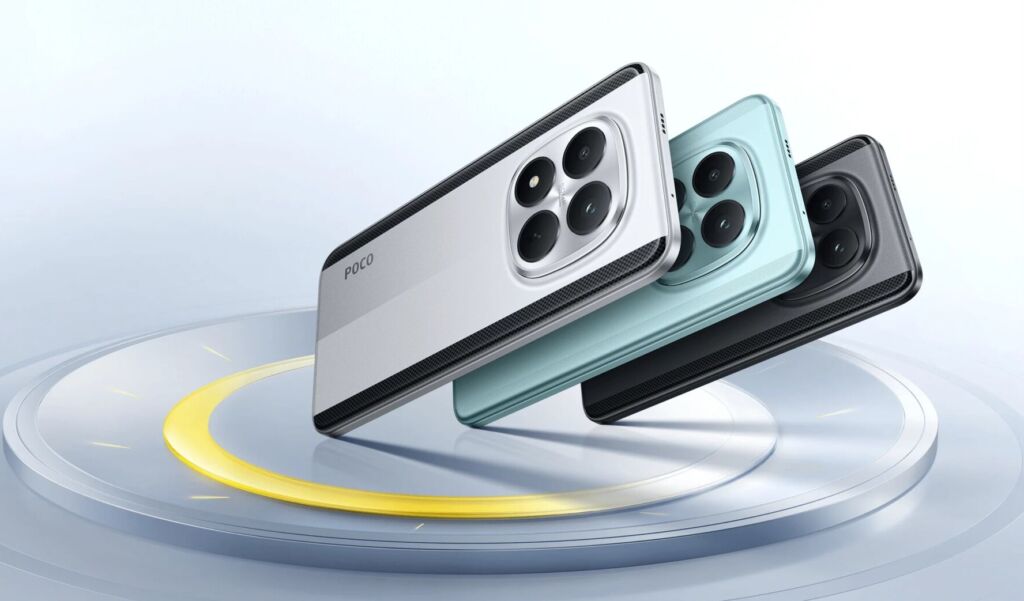
Poco recently unveiled two new smartphones – the M8 Pro and the M8 – designed to deliver remarkable features at competitive price points. The Poco M8 Pro is powered by the latest Snapdragon 7s Gen 4 chipset,promising performance comparable to the upcoming Redmi Note 15 Pro+. You can configure it with 8GB or 12GB of RAM and up to 512GB of storage.
However, the standout feature is its massive 6,500mAh battery. This is a record capacity for this price range, and it’s coupled with 100W wired charging, allowing you to fully recharge in just 40 minutes. I’ve found that fast charging is a game-changer for users constantly on the go.
For photography, the Poco M8 Pro boasts a 50-megapixel main camera with optical image stabilization (OIS). It’s accompanied by an 8-megapixel ultrawide lens,and a 32-megapixel front-facing camera completes the setup.