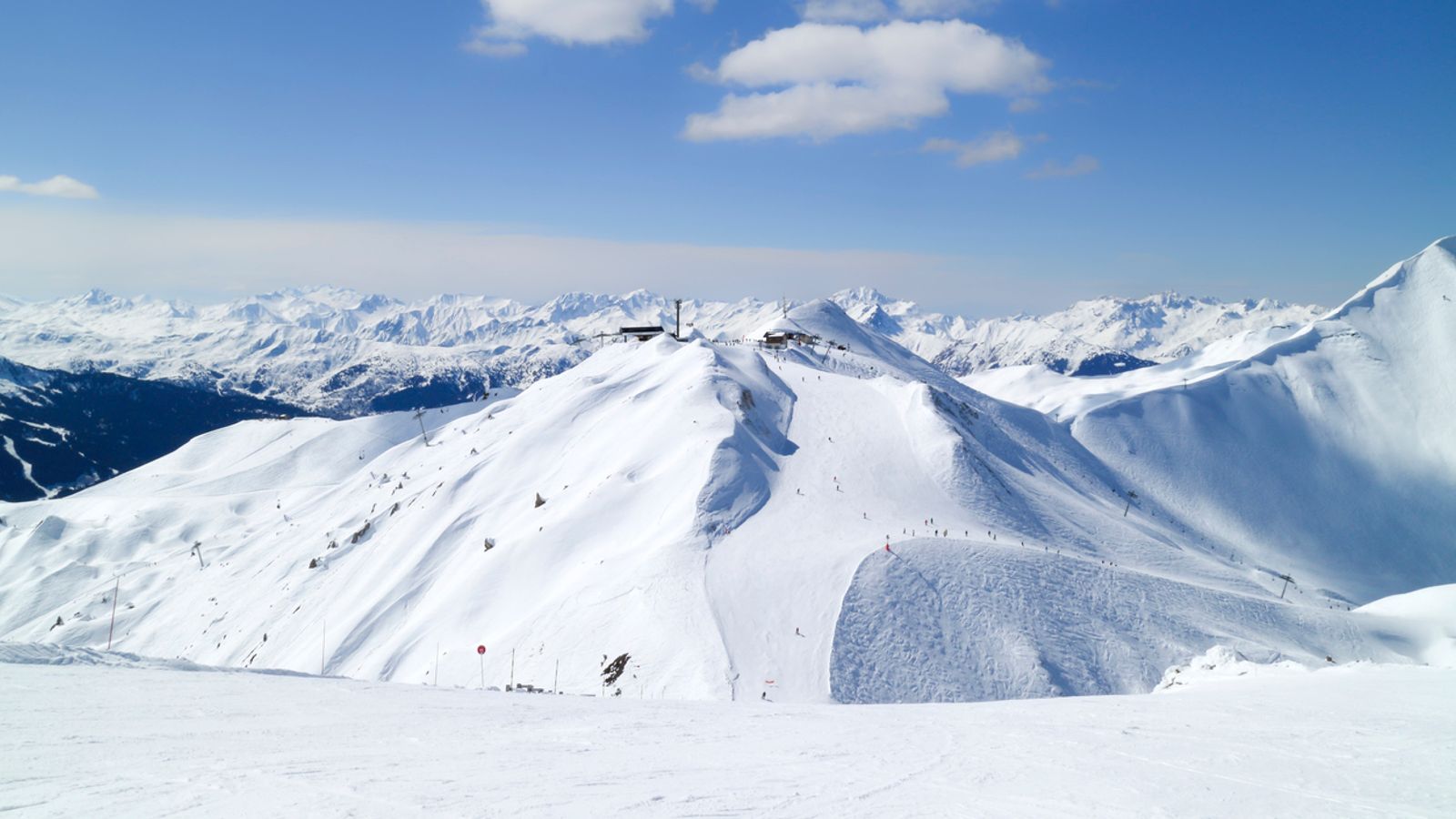
A tragic incident unfolded in the French Alps on Sunday, January 11th, 2026, claiming the life of a British skier. This event serves as a stark reminder of the inherent risks associated with off-piste skiing and the critical importance of safety precautions.
The skier, estimated to be in his 50s, was reportedly skiing outside of marked trails in the La Plagne resort area when the avalanche occurred. According to reports, the incident prompted an immediate response from local rescue teams.
At 1:57 PM local time, an avalanche alert triggered a swift mobilization of resources in southeastern France. A extensive search and rescue operation was launched, involving approximately 52 personnel.
The response team comprised not only skilled medics and experienced ski school instructors but also included a specialized piste dog deployed via helicopter. This demonstrates the coordinated effort undertaken to locate the individual as quickly as possible.
After an intensive 50-minute search, the skier was discovered buried under 2.5 meters of snow. Sadly, despite the rapid response, he could not be revived. This highlights the unforgiving nature of avalanches and the critical time sensitivity of rescue operations.
Investigations revealed the skier was part of a larger group at the time of the avalanche. Though, crucially, he was not carrying an avalanche transceiver – a device that emits a signal to aid in location – and was not accompanied by a certified mountain guide. This lack of essential safety equipment and professional guidance considerably contributed to the tragic outcome.
La Plagne resort officials have expressed their deepest condolences to the man’s family during this tough time. The incident is currently under inquiry to determine the precise circumstances and to reinforce safety protocols.
Understanding the Risks of Off-Piste Skiing and Avalanches
Off-piste skiing, while offering a thrilling experience, presents significantly higher risks than skiing on marked trails. The terrain is often unpredictable, and avalanche danger can change rapidly. According to the European Avalanche Warning Services (EAWS), the number of avalanche fatalities in the Alps has fluctuated in recent years, with a concerning increase in incidents involving skiers venturing off-piste without proper equipment or training. In the 2023-2024 season, EAWS reported a 15% increase in avalanche-related incidents compared to the previous year.
Avalanches are triggered by a variety of factors, including recent snowfall, temperature changes, and the angle of the slope. Understanding these factors is crucial for assessing the risk before venturing into backcountry areas. You should always check the local avalanche forecast before heading out, and be prepared to adjust your plans if the conditions are unfavorable.
did You Know? An avalanche transceiver significantly increases your chances of being found quickly if caught in an avalanche. It’s a vital piece of equipment for anyone venturing off-piste.
Essential Safety Equipment for Off-Piste Skiing
If you choose to explore off-piste terrain, it’s imperative to be equipped with the following:
- Avalanche Transceiver: This device transmits a signal that rescuers can use to locate you if you are buried.
- Shovel: A sturdy shovel is essential for digging out yourself or others.
- Probe: A probe is used to pinpoint the exact location of a buried person.
- Backpack: To carry all the necessary safety equipment.
- Knowledge and Training: Take an avalanche safety course to learn how to use the equipment and assess avalanche risk.
Pro tip: Always ski with a partner and let someone know your plans before heading off-piste.This ensures that help will be on the way if something goes wrong.
Furthermore, consider hiring a certified mountain guide. these professionals possess extensive knowledge of the terrain, avalanche conditions, and safety procedures. They can provide invaluable guidance and help you make informed decisions.
The Importance of Avalanche Awareness
avalanche safety is not just about having the right equipment; it’s about developing a strong understanding of avalanche terrain and conditions.You need to be able to recognize potential hazards, assess the risk, and make informed decisions. resources like the American Avalanche Association (https://americanavalancheassociation.org/) offer valuable data and training opportunities.
The incident in La Plagne underscores the critical need for increased avalanche awareness among skiers and snowboarders. Taking the time to educate yourself and prepare properly can significantly reduce your risk and ensure a safe and enjoyable experience in the mountains. Remember, your life depends on it.
Here’s a swift comparison of risks:
| Skiing on Piste | Off-Piste Skiing |
|---|---|
| Lower Avalanche Risk | Higher Avalanche Risk |
| Patrolled Areas | Often Unpatrolled |
| generally Safer Conditions | Unpredictable Conditions |
Ultimately, responsible backcountry skiing requires a commitment to safety, education, and respect for the mountains. By prioritizing these factors, you can minimize your risk and enjoy the beauty and challenge of off-piste skiing for years to come.The key to safe enjoyment of avalanche terrain lies in preparation and awareness.
Are you prepared for the challenges of off-piste skiing? What steps will you take to ensure your safety on your next adventure?
Share your thoughts and experiences in the comments below!