As of January 1, 2026, specific Moroccan dirham banknotes will no longer be considered legal tender. Understanding which banknotes are affected and how to exchange them is crucial for residents and visitors alike. This guide provides a thorough overview of the banknotes being withdrawn, the exchange process, and vital deadlines you need to know.
Understanding the Currency Change in morocco
The Bank Al-Maghrib, Morocco’s central bank, has announced the withdrawal of several older series of dirham banknotes.This is a standard practice for central banks worldwide, designed to combat counterfeiting and modernize the national currency. It’s important to be aware of these changes, especially if you have older notes stored away or are planning a trip to Morocco.
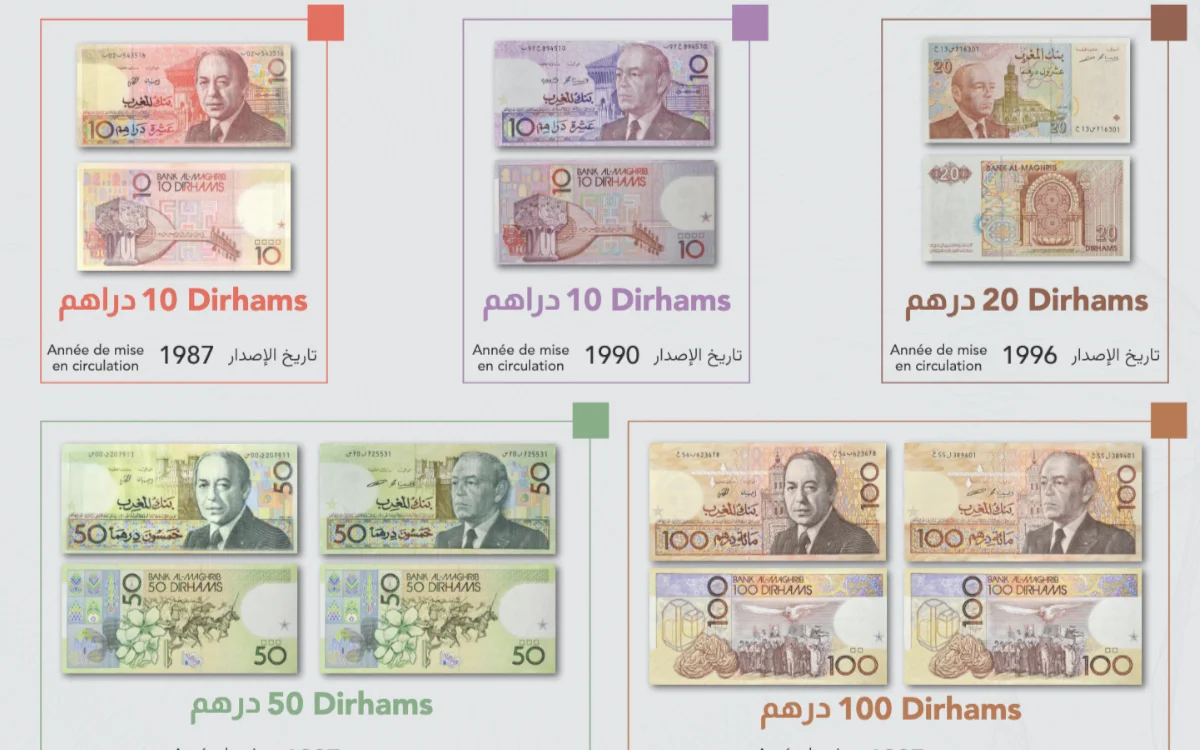
Specifically, the following banknotes will lose their legal validity starting in 2026:
- 10, 50, 100, and 200 dirham notes initially released in 1987.
- 10 dirham notes issued in 1990.
- 20 dirham notes dating back to 1996.
Did You Know? Currency changes are often implemented to enhance security features and reduce the risk of fraudulent activities. modern banknotes incorporate advanced technologies making them harder to counterfeit.
What Does This Mean for You?
If you currently possess any of the specified banknotes, you’ll need to exchange them before the deadline to retain their value.Fortunately, the Bank Al-Maghrib is facilitating a smooth transition for citizens and visitors. You have until December 31,2030,to exchange these notes without any conditions.
Hear’s how you can proceed with the exchange:
- Bank Al-Maghrib Branches: You can visit any branch of the Bank Al-Maghrib.
- Commercial Banks: All commercial banks throughout Morocco will also except the banknotes for exchange.
This widespread accessibility ensures a convenient process for everyone. I’ve found that proactively addressing these changes minimizes potential disruptions, especially when traveling internationally.
Pro Tip: Don’t delay the exchange! While the deadline is several years away, it’s best to address this sooner rather than later to avoid any last-minute complications.
Navigating Currency Exchange in Morocco
Beyond the specific banknotes being withdrawn, understanding Morocco’s currency exchange landscape is beneficial. The Moroccan dirham (MAD) is not freely convertible, meaning there are regulations surrounding the import and export of currency. For those traveling to Morocco, it’s advisable to familiarize yourself with these regulations to ensure a hassle-free experience.
Such as, if you are a Moroccan resident returning from abroad, there are limits on the amount of foreign currency you can bring into the country. Understanding these limits is essential to avoid any issues with customs.
Furthermore, it’s always a good practice to exchange currency at authorized banks or exchange bureaus to secure the best exchange rates and avoid potential scams.I’ve personally experienced better rates and greater security using official channels.
Here’s a swift reference table:
| Banknote | year of Issue | Validity end Date |
|---|---|---|
| 10 MAD | 1987 | December 31, 2025 |
| 50 MAD | 1987 | December 31, 2025 |
| 100 MAD | 1987 | December 31, 2025 |
| 200 MAD | 1987 | December 31, 2025 |
| 10 MAD | 1990 | December 31, 2025 |
| 20 MAD | 1996 | December 31, 2025 |
The Bank Al-Maghrib encourages anyone still holding these older denominations to take action promptly. This proactive approach will ensure a seamless transition and prevent any financial inconvenience.
Ultimately, staying informed about these currency changes is key to a smooth and secure financial experience in Morocco. by understanding the affected banknotes and the available exchange options,you can confidently manage your finances while traveling or residing in the country.