SCROLL TO CONTINUE WITH CONTENT
Iran has formally accused the United States and Israel of orchestrating the infiltration of Islamic State (ISIS) operatives into its territory, alleging their intent is to destabilize the nation through attacks on both civilians and security forces. This serious accusation,made by Iran’s Chief of Staff of the Armed Forces,Abdolrahim Mousavi,arrives amid heightened tensions and ongoing domestic unrest. Understanding the complexities of Iran’s security challenges requires a nuanced perspective, especially given the region’s volatile landscape.
Recent Allegations and Context
Mousavi stated that this alleged deployment of ISIS members followed what he characterized as a recent “12-day war” against Iran, in which Washington and Tel Aviv purportedly failed to achieve their objectives. He specifically contends that these individuals, described as “mercenaries,” were dispatched to instigate violence targeting Iranian citizens and its security apparatus.
As someone who has closely followed geopolitical developments in the Middle east for over a decade, I’ve found that accusations of this nature often stem from a complex interplay of factors, including proxy conflicts and attempts to influence regional power dynamics.It’s crucial to analyze these claims within the broader context of existing tensions.
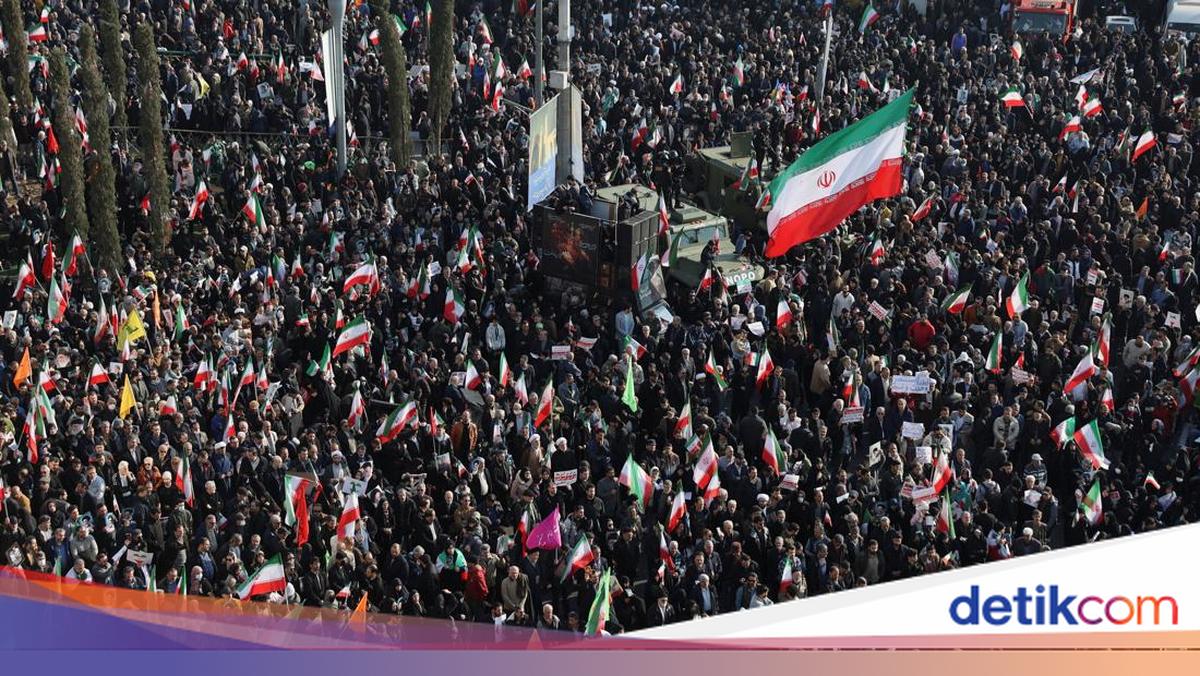
Iran firmly asserts its unwavering commitment to defending its sovereignty and territorial integrity. Mousavi emphasized that Iran will not tolerate any infringement upon these principles. While Iranian security forces have exercised restraint in addressing ongoing protests, he made it clear that thay will not permit terrorist elements to operate freely within the country.
Did You Know? According to a report by the United Nations in November 2023, ISIS continues to pose a notable threat in several regions, despite territorial losses, and maintains the capacity to conduct attacks.