US healthcare in 2026: A Shift Towards Efficiency and AI Integration
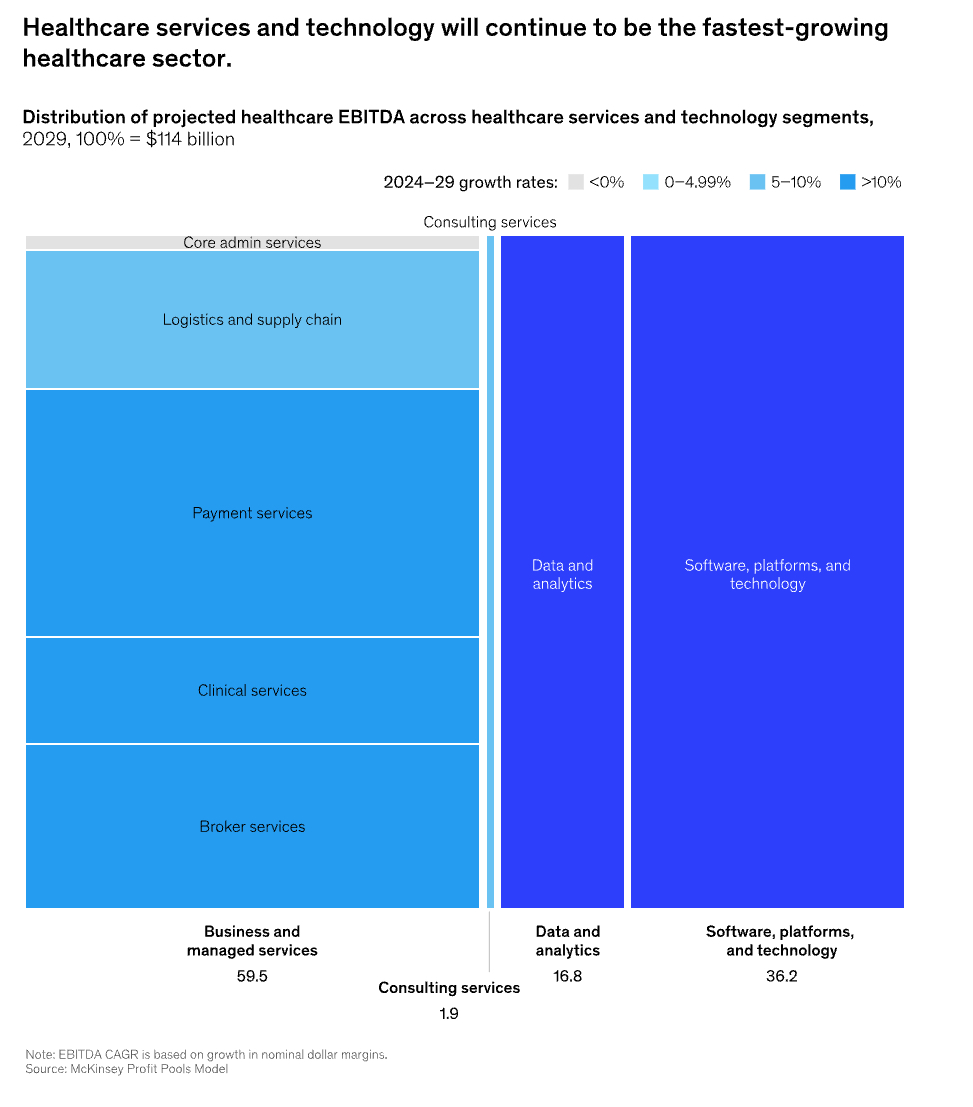
The US healthcare landscape is undergoing a significant transformation, marked by declining profit margins and a surge in adoption of Generative AI (genai). A recent McKinsey report indicates that industry EBITDA as a share of National Health Expenditure decreased from 11.2% in 2019 to 8.9% in 2024 [McKinsey, 2026]. Despite these challenges, Health Services & technology (HST) is poised for growth, projected at 9% annually through 2029, driven by a structural shift towards software and analytics.
The Gen AI “Tipping Point”: From Pilot to Production
Generative AI is moving beyond the experimental phase and into practical implementation within healthcare. Current data reveals a ample increase in adoption rates:
- 85% of healthcare organizations are actively implementing Gen AI solutions.
- Over 10% of U.S. physicians are utilizing AI-powered ambient documentation tools, such as medical scribing.
- Workflow Automation: The most significant gains are being realized in areas with high workflow volume, like automated claims management and real-time data connectivity, where return on investment (ROI) is readily measurable.
Segment Breakdown: Winners and Losers Through 2029
The McKinsey report highlights a clear divergence in financial performance across different healthcare segments:
- Providers: Facing a “fragile recovery” through 2027, hospitals are grappling with rising uncompensated care due to ongoing Medicaid disenrollment. However, non-acute care settings – including Ambulatory Surgery Centers (ASCs), Home Health, and Hospice – are demonstrating stronger performance than traditional inpatient facilities.
- Payers: Group commercial insurance is emerging as a key stabilizing force, expected to represent 36% of total payer profits by 2029 as individuals leaving Medicaid transition to employer-sponsored plans.
- Pharmacy: The market is being reshaped by the impact of GLP-1 medications. These drugs accounted for half of the 11% increase in drug spending in 2024,and total drug expenditure is projected to reach $1 trillion by 2029. [Health Affairs, 2024]
The Efficiency Trap
For years, the promise of technology reducing healthcare costs has remained largely unfulfilled. However, McKinsey’s data suggests that the combination of increased pressure to reduce costs and the maturity of AI technology is finally driving meaningful change. it’s crucial for healthcare leaders to understand that the competitive advantage in this new landscape lies not in owning the AI, but in effectively integrating it. Vendors capable of connecting disparate data silos will thrive, while those offering isolated “point solutions” are likely to be absorbed into larger, more complete platforms.
3 Key Takeaways for Healthcare Leaders
This report underscores that HST is no longer a support function but a core driver of growth.
- Prioritize Outsourcing: Achieving scalability and efficiency is increasingly difficult for mid-sized organizations to accomplish internally.
- Double Down on ASCs and Home Health: The shift towards non-acute care settings is a lasting trend that is accelerating.
- Audit your AI Roadmap: Organizations that haven’t begun implementing Gen AI are falling behind the competition.
Looking ahead, the healthcare industry will be defined by its ability to embrace technological advancements, particularly in AI, and to integrate these tools seamlessly into existing workflows. Success will depend on strategic partnerships, data interoperability, and a commitment to delivering value-based care.
Worth a look
- FUCAM Suffers Cyberattack: Breast Cancer Foundation Compromises Patient Data
- Energy Drink Risks: Health Warnings and the Dangers of Mixing with Coffee
- Singapore’s New Migrant Worker Healthcare Plan: Lower Costs and Better Access by 2027 (archynewsy.com)
- How Heatwaves and Rising Temperatures Impact Childrens Mental Health (world-today-news.com)