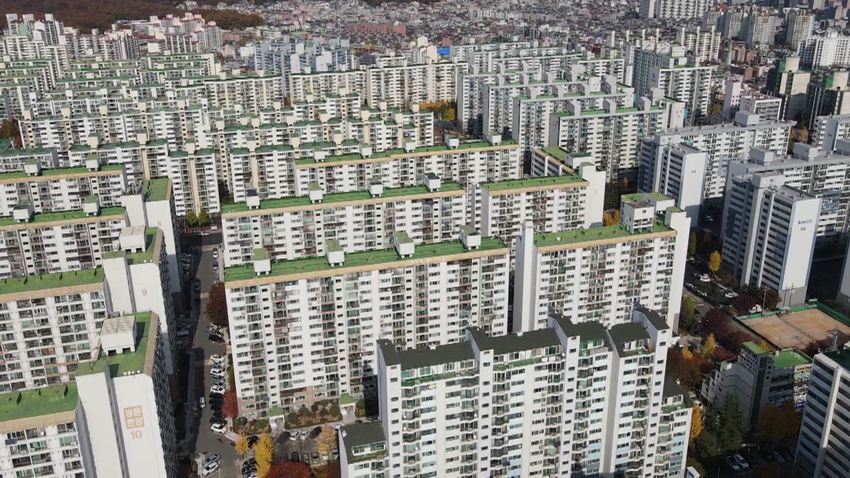
South Korea’s Jeonse Deposit Refunds Decline for the First Time
Recent data indicates a significant shift in South Korea’s housing market: for the first time, the amount of jeonse deposits returned to renters by landlords decreased last year. This marks a departure from the past trend and signals potential challenges for both renters and landlords in the country’s unique housing system.
Understanding jeonse: A Key Component of South Korean Housing
Jeonse is a unique form of long-term, lump-sum deposit contract common in South korea. Unlike conventional rental systems with monthly payments, tenants pay a large deposit – often a significant portion of the property’s value - to the landlord. This deposit serves as a form of interest-free loan to the landlord, and is fully refundable at the end of the lease term. It’s a popular option because it avoids monthly rent payments, but requires substantial upfront capital.
The Decline in Refunds: What Happened in 2025?
According to the Housing & Urban Guarantee Corporation (HUG) data released on January 17, 2026, the total amount of jeonse deposits returned to renters in 2025 saw a decrease. While specific figures weren’t immediately available in initial reports, this downturn is attributed to a combination of factors, including rising interest rates and a cooling housing market.
Factors Contributing to the Decrease
- Rising Interest Rates: Higher interest rates make it more expensive for landlords to borrow money, reducing their ability to readily refund large jeonse deposits.
- Cooling Housing Market: A slowdown in property value appreciation means landlords have less equity to rely on when needing to return deposits.
- Increased Financial Strain on Landlords: Some landlords are facing financial difficulties, making it challenging to meet their obligations to return deposits promptly.
- Delayed Sales: Landlords may be delaying property sales, hoping for better market conditions, which in turn delays the availability of funds for deposit refunds.
Implications for Renters
The decline in jeonse deposit refunds poses several risks for renters:
- Difficulty Recovering Deposits: Renters may face delays or difficulties in receiving their full deposit back when their lease ends.
- Increased Financial Burden: Renters may need to secure option financing to cover the deposit for their next home, or face limitations in their housing options.
- Potential for Disputes: Disagreements between renters and landlords over deposit refunds could become more common.
Government Response and Future Outlook
The south Korean government is closely monitoring the situation and considering measures to mitigate the risks to renters. These may include strengthening deposit insurance schemes and providing financial assistance to landlords facing difficulties. The HUG currently offers deposit protection, but the recent trend suggests a need for reevaluation of existing policies.
Looking ahead,the future of jeonse remains uncertain.The decline in deposit refunds could lead to a shift away from this traditional housing model, with more renters opting for monthly rental agreements. Continued monitoring of market conditions and proactive government intervention will be crucial to ensure stability and protect the interests of both renters and landlords.
Publication Date: 2026/01/17 19:43:14
Related reading