
Iran’s Precarious Transition: Avoiding a Cycle of Authoritarianism
Published: 2026/01/18 10:27:22
A History of Regime Change in Iran
Iran’s political landscape has been defined by dramatic shifts in power.In 1979, the Pahlavi dynasty, led by Shah Mohammad Reza Pahlavi – a secular, autocratic ruler backed by the United States - was overthrown in a revolution. This upheaval replaced the Shah with Ayatollah Ruhollah Khomeini, establishing an Islamic Republic. The transition, though fueled by widespread discontent, ultimately replaced one authoritarian regime with another. This historical precedent casts a long shadow over the current period of unrest and potential change in Iran.
Recent Protests and Government Response
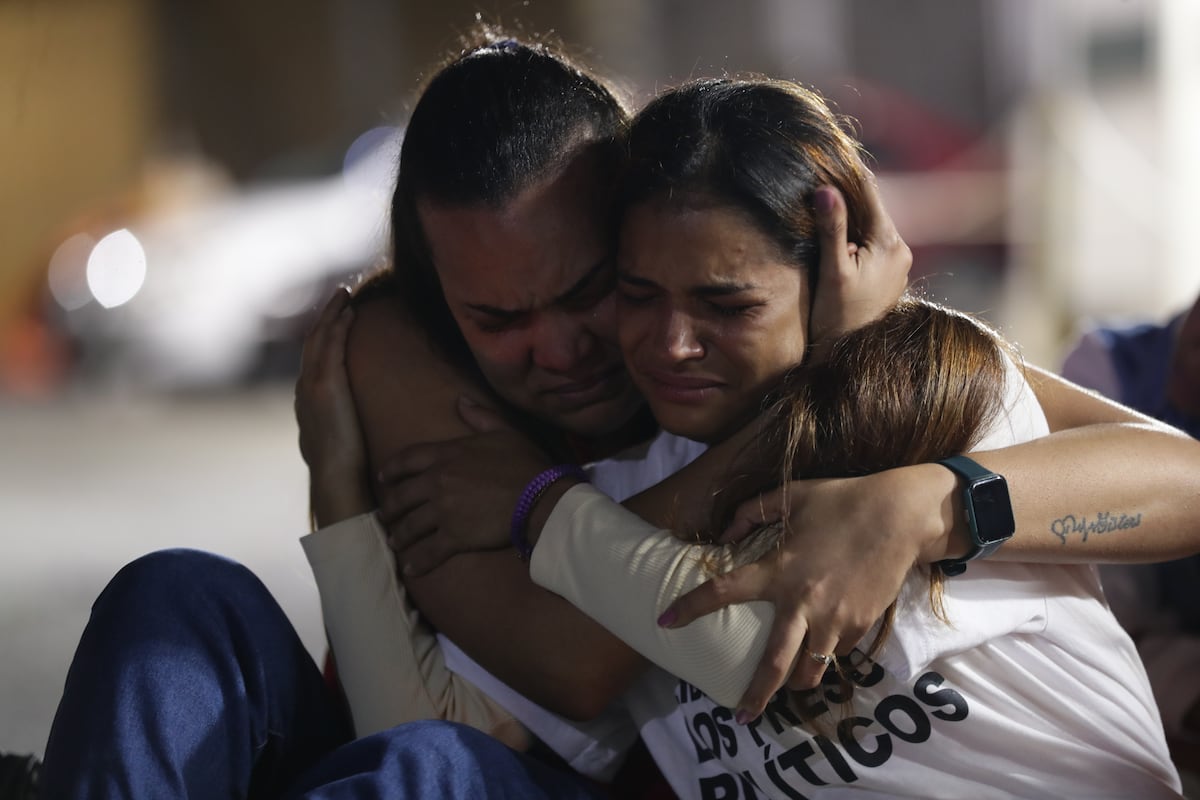
Following widespread anti-government protests in recent months, rooted in deep-seated economic frustrations, the Iranian government has employed forceful measures to regain control. While reports indicate a subsiding of the most visible public demonstrations [[1]], the fundamental economic challenges that sparked the protests remain unresolved. The government’s response involved a severe internet blackout lasting five days, and a harsh crackdown on demonstrators, resulting in hundreds of deaths and thousands of arrests [[2]]. The scale of the crackdown raises concerns about the regime’s commitment to addressing the root causes of the unrest.
Underlying Economic Issues
The protests were largely driven by economic hardship, including high inflation, unemployment, and a declining standard of living. These issues are exacerbated by international sanctions,mismanagement of resources,and systemic corruption. These conditions have created widespread public dissatisfaction, particularly among young Iranians who are increasingly frustrated with the lack of opportunities and political freedoms.
The Impact of Sanctions
While sanctions are intended to pressure the Iranian government to change its policies, they have also had a significant impact on the Iranian economy and the daily lives of ordinary citizens. Limited access to foreign markets and financial systems has hindered economic growth and contributed to the current crisis.
Government Response and Future Outlook
The Iranian government has attempted to address the economic issues through various measures, but these have largely been ineffective.The recent crackdown on protests demonstrates a prioritization of regime stability over addressing the underlying grievances of the population. Moving forward, Iran faces a critical juncture. The current situation presents three possible outcomes: a descent into civil war, the establishment of yet another authoritarian regime, or a transition towards a pluralistic and democratic system – a system that many Iranians desire.
International Implications and US Response
The situation in Iran holds significant implications for regional and global stability. The United States has closely monitored the developments, with former President Trump indicating a willingness to consider military action, but ultimately deferring due to reported cancellations of planned executions [[3]].Any miscalculation could escalate tensions and have far-reaching consequences.
Key takeaways
- Iran is currently facing a critical period of transition, shaped by recent protests and a history of authoritarian rule.
- The underlying economic challenges – including inflation,unemployment,and sanctions – remain a primary driver of unrest.
- The government’s response to the protests has been forceful, raising concerns about its commitment to genuine reform.
- The future of Iran remains uncertain, with potential outcomes ranging from civil war to a democratic transition.


