“`html

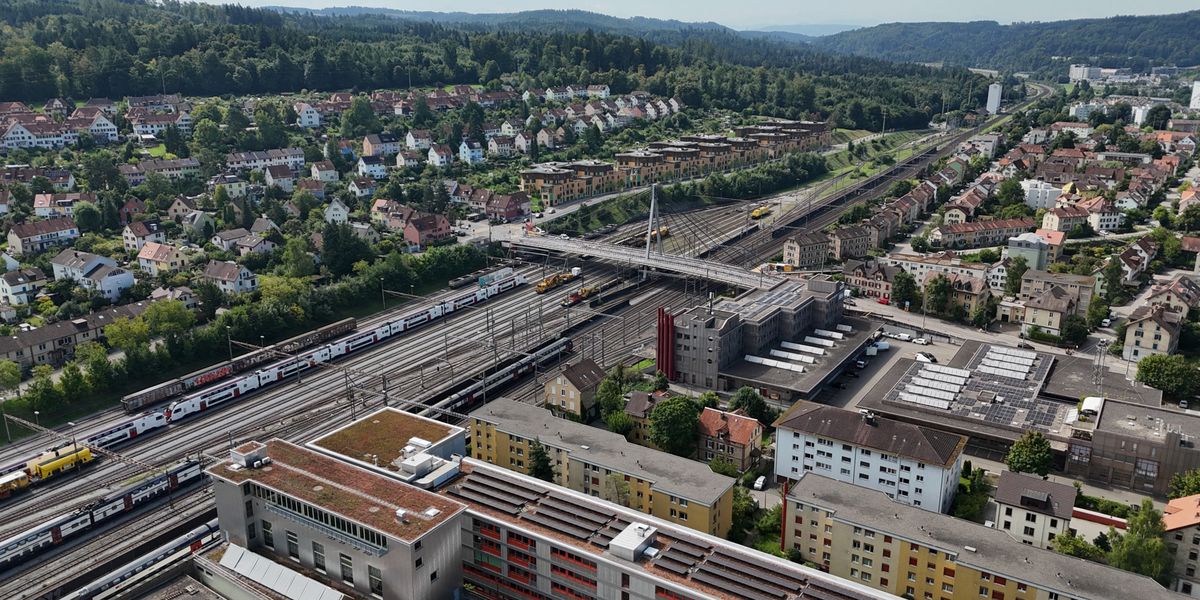
Should the city promote non-profit housing more strongly? View of the storchenbrücke and the Vogelsang cooperative housing estate behind it.
Photo: Madeleine Schoder
The Debate Over Affordable Housing in zurich
Zurich, Switzerland, consistently ranks among the world’s most livable cities. Though, rising housing costs are increasingly challenging this reputation. The question of whether the city should more actively promote non-profit housing is a central topic of debate among policymakers and residents. This article examines the current state of affordable housing in Zurich, the arguments for and against increased municipal support, and potential future developments.
The Current Housing Situation in Zurich
Zurich faces a significant housing shortage, especially for affordable options. Demand consistently outstrips supply, driving up rental and purchase prices. While Switzerland has a relatively well-developed social housing sector compared too many other countries, it hasn’t kept pace with the city’s growth. According to the
City of Zurich’s official website, approximately 22% of housing stock is considered affordable, defined as housing costs not exceeding 30-40% of a household’s income. This percentage is insufficient to meet the needs of lower and middle-income residents.
Arguments for Increased Municipal Support
- Social Equity: Proponents argue that access to affordable housing is a fundamental right and essential for social inclusion. Increased municipal support would help ensure that all residents, irrespective of income, can live in Zurich.
- Economic Stability: Affordable housing contributes to a stable workforce. when essential workers (teachers, nurses, etc.) can afford to live in the city, it strengthens the local economy.
- Preventing Segregation: Without sufficient affordable housing, there’s a risk of social segregation, with lower-income residents being pushed to the outskirts of the city.
- Cooperative Housing Model: Zurich has a strong tradition of cooperative housing (Wohnbaugenossenschaften), wich offer affordable, long-term housing options. Expanding support for these cooperatives is seen as a viable solution. Wohnbaugenossenschaften Zürich (WBG) is a key player in this sector.
Arguments Against Increased Municipal Support
- Market Intervention: Critics argue that excessive municipal intervention in the housing market can distort prices and discourage private investment.
- Financial burden: Increased subsidies for affordable housing would place a greater financial burden on taxpayers.
- Bureaucracy and Efficiency: Some argue that municipal housing projects can be slow and inefficient due to bureaucratic processes.
- Land Use Concerns: Expanding affordable housing requires land,which is scarce in Zurich. finding suitable locations can be challenging and may face opposition from residents.
Recent developments and Future Outlook
The City of Zurich has recently implemented several initiatives to address the housing shortage. These include streamlining building permit processes, promoting density increases in certain areas, and providing financial incentives for the construction of affordable housing. In November 2023, the city council approved a plan to invest CHF 200 million in affordable housing projects over the next five years. Zurich City Council News
Looking ahead, the debate over affordable housing is highly likely to continue. Potential solutions include exploring innovative financing models, promoting mixed-income developments, and fostering greater collaboration between the public and private sectors. The success of these efforts will be crucial to maintaining Zurich’s position as a livable and inclusive city.
Frequently Asked questions (FAQ)
- What is a Wohnbaugenossenschaft?
- A Wohnbaugenossenschaft is a housing cooperative. Residents become members by purchasing a share, granting them the right to live in a unit. These cooperatives typically offer long-term housing at below-market rates.
- What is the city doing to address the housing
Related reading