The Stiffening Colon: How Chronic Inflammation Fuels the Rise of Early-Onset Colorectal cancer
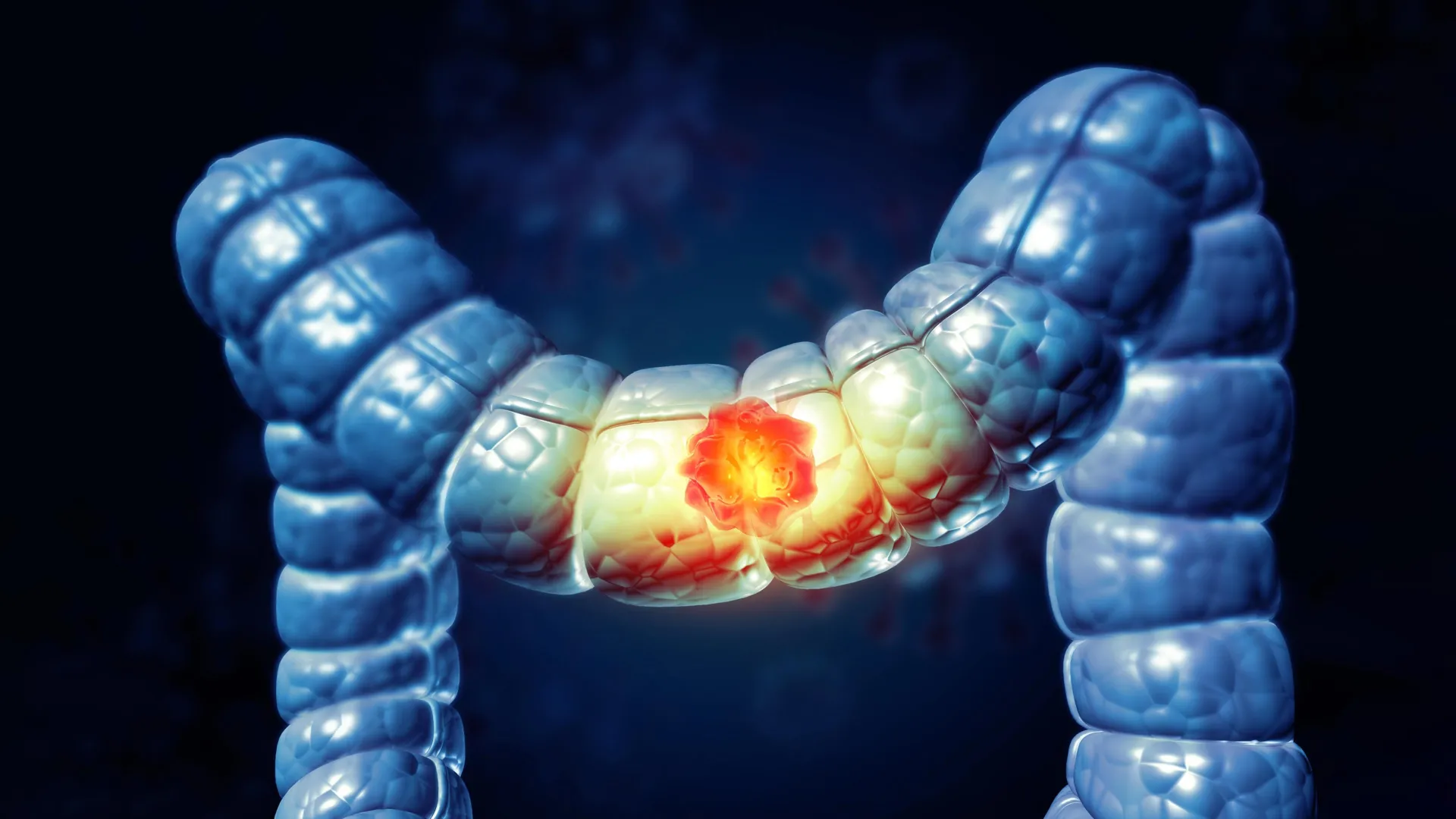
Colorectal cancer (CRC) is increasingly affecting younger adults,a concerning trend that diverges from the previously observed decline in average-onset cases. While lifestyle factors and environmental exposures have been investigated, the underlying biological mechanisms driving this surge in early-onset CRC remain largely elusive.Now, groundbreaking research published in Advanced Science reveals a critical link: chronic inflammation can physically alter the colon, increasing its stiffness and creating a microenvironment conducive to cancer advancement and progression.
this study, a collaborative effort between UT Southwestern Medical Center and The University of Texas at Dallas, marks a notable advancement in understanding the pathogenesis of early-onset CRC. Researchers discovered that the tissue in the colons of younger patients with CRC is demonstrably stiffer than that of older patients, even in areas without cancerous growths. This suggests that increased stiffness might potentially be an early indicator of risk, potentially preceding the full development of the disease.
“This is the frist study to highlight the key role of biomechanical forces in the pathogenesis of early-onset CRC,” explains Jacopo Ferruzzi, Ph.D., Assistant Professor of Bioengineering at UT Dallas and Biomedical Engineering at UT Southwestern. “Our observations are consistent across multiple length scales and link connective tissue stiffening to altered biochemical signaling in cancer cells.”
The Role of Scarring and Collagen
The increased stiffness isn’t simply a random phenomenon. Researchers pinpointed changes in collagen, a structural protein vital for tissue integrity, as a key driver. In early-onset CRC patients, collagen was found to be denser, longer, more mature, and more uniformly aligned - all hallmarks of extensive scarring. this suggests that ongoing inflammation leads to tissue damage and subsequent scar formation, gradually increasing the colon’s rigidity.
This process mirrors what is known to occur in other cancers, such as those affecting the breast and pancreas, where tissue stiffening is recognized as a contributing factor to tumor development.
Further analysis revealed elevated activity of genes involved in collagen metabolism, blood vessel formation, and inflammation within the early-onset CRC samples. This provides compelling evidence that chronic inflammation directly fuels the tissue stiffening process.
Mechanotransduction: How Cancer Cells Respond to a Stiffer Surroundings
The study also uncovered a crucial connection between tissue stiffness and cancer cell behavior through a process called mechanotransduction. This refers to the ability of cells to sense and respond to physical cues in their environment. Researchers observed increased activity in mechanotransduction pathways in early-onset CRC samples, indicating that cancer cells are actively responding to the stiffer surroundings.
To validate this finding, researchers conducted laboratory experiments. Colorectal cancer cells grown on stiffer surfaces exhibited accelerated multiplication and further increased rigidity. Three-dimensional organoid models – miniature, lab-grown versions of the colon – also demonstrated faster growth and increased size when placed in stiffer environments.
Implications for Early Detection and Targeted Therapies
These findings have significant implications for both the detection and treatment of early-onset CRC. Emina Huang, M.D., M.B.A., Professor of Surgery in the Division of Colon and Rectal Surgery and Executive Vice Chair of Research for Surgery at UT Southwestern, believes the research points towards a potential new approach to risk assessment.
“Taken together, the findings indicate that a rigid colon environment may help trigger and accelerate colorectal cancer in younger patients,” says Dr. Huang.”The results also suggest that targeting mechanotransduction pathways could slow or stop cancer development, an approach already under investigation in other cancers.”
Furthermore, Dr. Huang suggests that diagnostic tools capable of measuring intestinal stiffness could one day be used to identify individuals at higher risk for early-onset CRC,complementing existing screening methods like colonoscopies.
This research offers a crucial new perspective on the rising incidence of early-onset colorectal cancer, highlighting the importance of understanding the interplay between inflammation, biomechanical forces, and cancer development. It opens avenues for innovative diagnostic strategies and targeted therapies aimed at mitigating the impact of this increasingly prevalent disease.
Study Funding:
This study was funded by the National Institutes of Health (R01 CA234307 and U01 CA214300), the University of texas at Dallas Office of Research and Innovation through the cobra program, the Burroughs-Wellcome Trust, the American Society of Colon and Rectal Surgeons resident Research Initiation Grant, The university of Texas at Dallas Bioengineering Research Award, the UT Southwestern whole Brain Microscopy Facility, an axioscan 7 award, the Catherine and James McCormick Charitable Foundation supporting research in early-onset colorectal cancer, and a National Cancer institute (NCI) Cancer Center Support Grant (P30 CA142543).
Keywords:
* Primary Topic: Early-onset Colorectal Cancer
* Primary Keyword: early-onset colorectal cancer
* Secondary Keywords: colorectal cancer,colon cancer,inflammation,tissue stiffness,mechanotransduction,collagen,cancer research,cancer treatment,cancer prevention,biomechanics,gut health,chronic inflammation,cancer microenvironment.
Keep reading