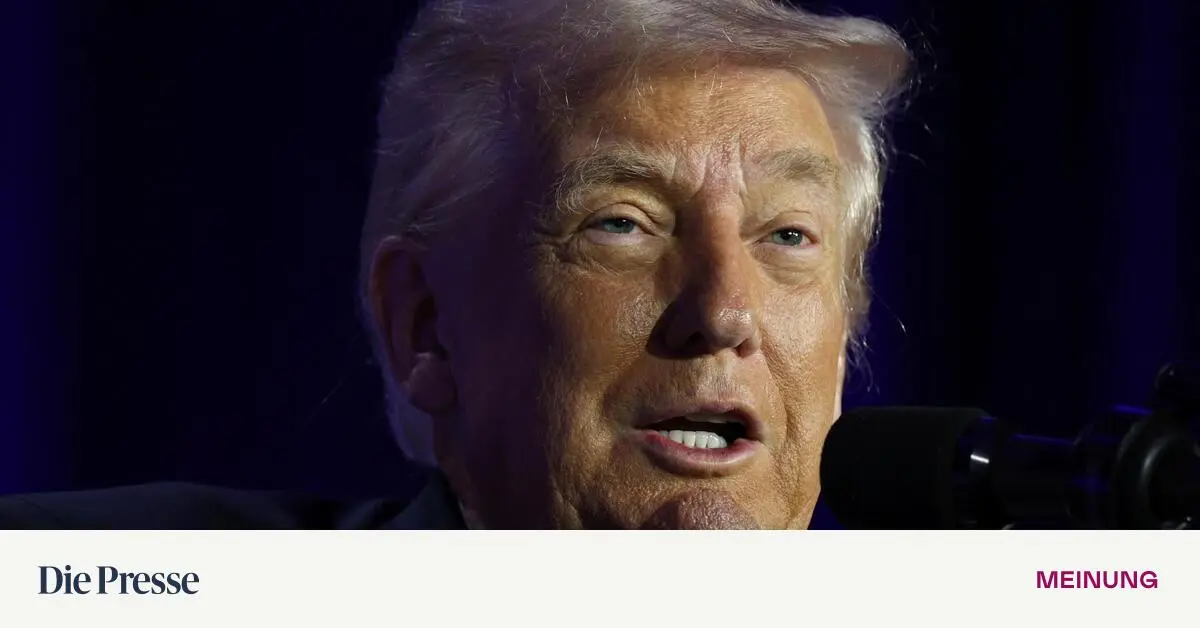
A Four-Year-Old’s world Politics: When Innocence Meets Reality
“Mama,” the child said unexpectedly before bed a few days ago. “You shouldn’t go to America. There’s a bad man there.” Who was this bad man? “Jakob from kindergarten said: Gwamp. He has weapons and pistols. He kills people.” Why, she asked? “Just because. And he wants a different country. With polar bears.”
I was initially quite taken aback by this snippet of world politics, so succinctly and accurately summarized by a four-year-old in her pajamas. Or, at least, well-retained after being relayed by her six-year-old kindergarten friend between making carnival masks and playing with plasticine. A moment later, it dawned on me. This was a first glimpse of the numerous, frequently enough unpleasant, often complicated, and sometimes inexplicable events in the world that my child would gradually encounter. A first attempt to grasp the craziness out there. In a way, a loss of childhood innocence, and much earlier then I expected. I don’t think the fall of the Berlin Wall preoccupied me at that age, perhaps because we didn’t have a television. But here, news was entering our or else peaceful little world (aside from squabbles over toys and morning stress) through kindergarten friends, not through TV.
What to do? First, of course, to Google. The question of how to explain world politics and catastrophes to kindergarten children leads to advice from organizations like Rat auf Draht [Advice on the Wire], which, in the context of the war in Ukraine and the conflict in Gaza, suggests: don’t leave the child alone, be honest, talk about things openly and age-appropriately, and, above all, ask what the child is thinking and what they want to know. I’ll keep all of that in mind for the next time this happens – and it may well be more complex than this situation with “
Worth a look