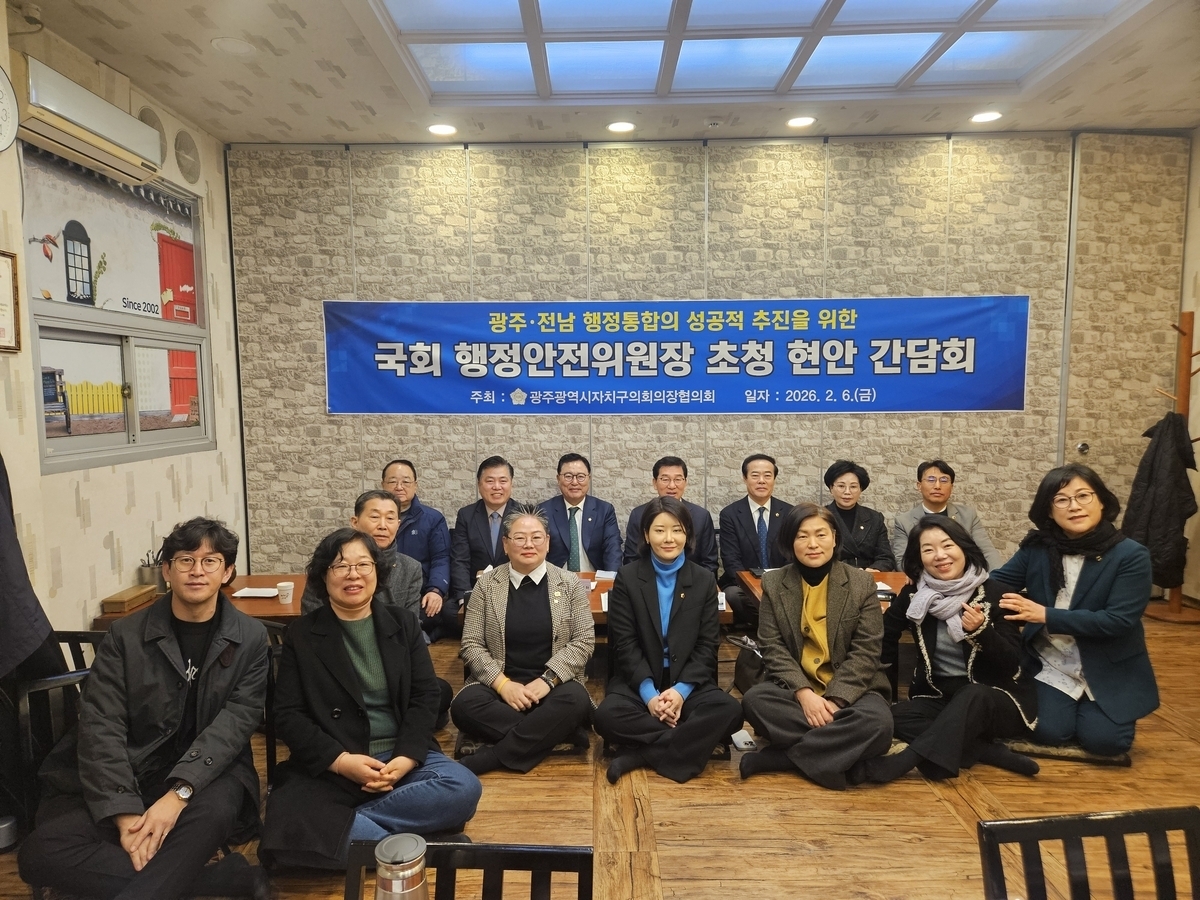
Gwangju-South Jeolla Province Administrative Integration Gains Momentum
Published: 2026/02/08 07:36:15
Recent developments indicate a important push towards the administrative integration of Gwangju Metropolitan City and South Jeolla Province in South Korea. Driven by a desire for enhanced regional progress and bolstered by high-level political support, the potential merger is gaining traction, with ongoing consultations between local government officials and national lawmakers.
Background and Rationale
The idea of integrating Gwangju and South Jeolla Province has been discussed for years, rooted in the belief that a unified administrative entity would possess greater economic strength and political influence. Proponents argue that combining resources and streamlining governance could address regional disparities and foster more balanced growth. Currently, Gwangju, a major urban center, and South Jeolla Province, a largely rural area, operate as separate entities, sometimes leading to fragmented policies and duplicated efforts.
Key Players and Recent Developments
Shin Jeong-hoon, a member of the Democratic Party of Korea and Chairman of the National Assembly’s public Governance and Security Committee, is playing a central role in facilitating the integration process.Recent reports indicate that Shin has been actively engaging in meetings with local council members and provincial governors to gauge support and address concerns [1]. These discussions are focused on outlining a roadmap for integration, including considerations for the new entity’s structure, name, and administrative functions.
Addressing Concerns and Challenges
While the prospect of integration is largely viewed positively, several challenges remain. Concerns have been raised regarding potential job losses, the distribution of administrative power, and the preservation of local identities. A key aspect of the ongoing dialog involves addressing these concerns and ensuring a smooth transition for all stakeholders. Detailed feasibility studies are expected to be conducted to assess the economic and social impacts of the merger.
potential Benefits of Integration
A successful integration could unlock several benefits for the region:
- Economic Growth: A larger, unified economic zone could attract increased investment and stimulate job creation.
- Improved Infrastructure: Coordinated infrastructure development could enhance connectivity and accessibility across the region.
- Enhanced Political Influence: A combined entity would have a stronger voice in national policy-making.
- Streamlined Administration: Reducing bureaucratic overlap could lead to more efficient governance and service delivery.
Looking ahead
The administrative integration of Gwangju and South Jeolla Province represents a significant possibility for regional development in South Korea. While challenges remain, the momentum behind the initiative is building, driven by political will and a shared vision for a more prosperous future. Further developments, including the release of feasibility study results and potential legislative action, are expected in the coming months. The success of this integration could serve as a model for other regional consolidation efforts within South korea.
For those interested in learning more about Gwangju, exploring its cultural attractions and urban landscape is highly recommended [2] and [3].
Related reading