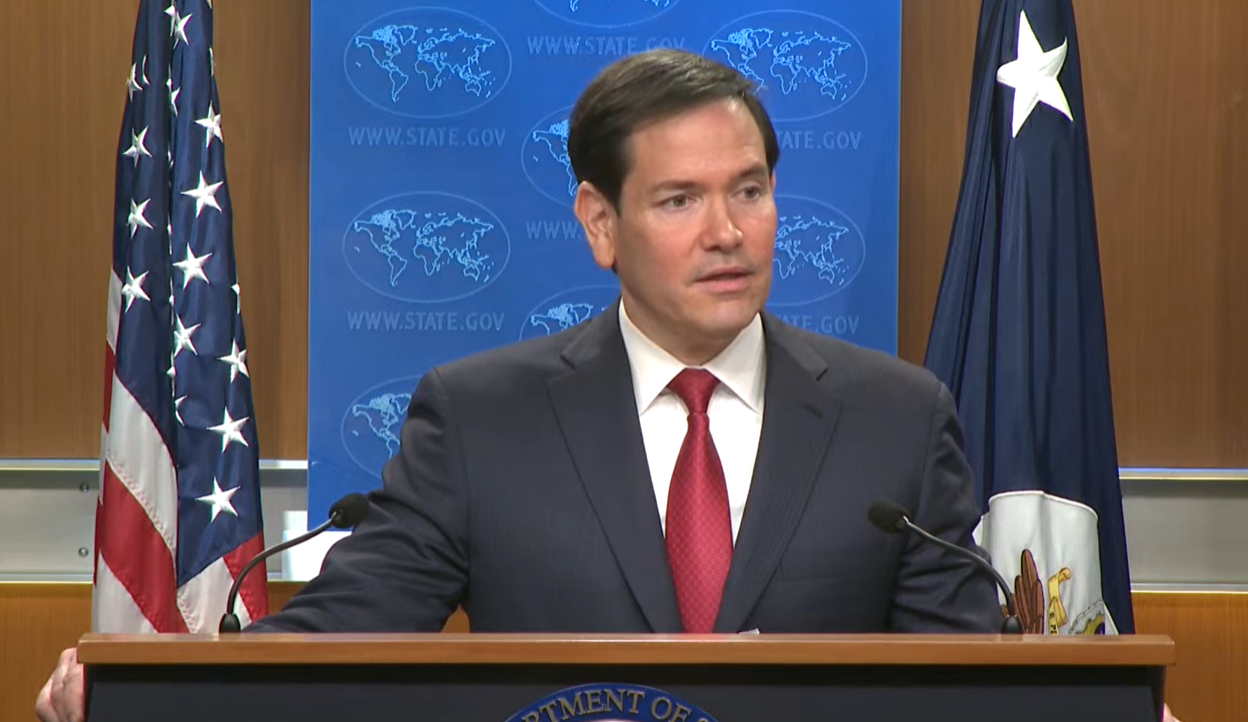
Rubio Reassures Allies, Outlines US Vision for Transatlantic Relations
Munich, Germany – Febuary 15, 2026 – U.S. Secretary of State Marco Rubio delivered a keynote address at the Munich Security Conference on Saturday, seeking to reassure European allies and outline the Trump governance’s vision for a revitalized transatlantic relationship. the speech represented a shift in tone from previous engagements, following a year of challenging rhetoric and policy decisions that strained ties between the united States and Europe .
A Call for Renewed Partnership
Rubio emphasized the past and cultural ties that bind the United States and Europe, stating that the U.S. remains “a child of Europe” . He articulated a desire for a renewed partnership focused on shared values and common security interests, while also acknowledging the need for Europe to address internal challenges and strengthen its own defenses.
Addressing Key Concerns
The Secretary of State’s address touched on several key areas of concern for both the United States and Europe. Rubio underscored the administration’s commitment to a “vision of a future as proud, as sovereign, and as vital as our civilisation’s past” ,signaling a continued focus on national sovereignty and a rejection of what he termed “outdated globalist structures.”
Differences in Approach
While offering a more conciliatory tone than previous administrations, Rubio did not shy away from articulating disagreements on specific policy issues. He criticized what he described as a “climate cult” and voiced concerns about the impact of mass migration on the social cohesion of european societies. These comments echo the Trump administration’s skepticism toward international climate agreements and its emphasis on stricter immigration controls.
Looking Back at Previous Tensions
Rubio’s speech occured within the context of significant strain in US-European relations. Last year, Vice President J.D. Vance delivered a sharply critical address at the same conference, accusing European leaders of censoring free speech . This was followed by a series of contentious episodes, including a temporary threat from President Trump to impose tariffs on European countries in a dispute over Greenland .
European Reaction and Future Outlook
Ursula von der Leyen,President of the European Commission,described Rubio’s speech as “reassuring” , suggesting a tentative thaw in relations. However, reports indicate that some European officials remain concerned about the administration’s dismissive stance on issues such as the United Nations and climate change, as well as its justification of military interventions in Venezuela and iran.
The Secretary of State’s address represents an attempt to bridge these divides and forge a more constructive relationship. The success of this effort will depend on the willingness of both sides to address their differences and find common ground on shared challenges. As Rubio stated, “it is our preference and it is our hope to do this together with you, our friends here in Europe.”
Key Takeaways
- Secretary Rubio sought to reassure European allies of the United States’ commitment to the transatlantic relationship.
- The speech outlined a vision for a renewed partnership based on shared values and a commitment to sovereignty.
- Disagreements remain on issues such as climate change, immigration, and the role of international institutions.
- The address reflects a shift in tone from previous U.S. administrations, but signals a continuation of core policy objectives.
Keep reading