Climate Change and Malaria: A Growing Threat
Recent progress in reducing the global burden of malaria is facing significant challenges, with climate change emerging as a key complicating factor. While the link between climate and malaria transmission is well-established, predicting the specific impacts of future climate scenarios remains a complex undertaking, hindering effective response strategies.
The Stalled Progress Against Malaria
Despite decades of effort and substantial investment, gains made in malaria eradication, particularly in Africa, have plateaued. This stagnation is attributed to a confluence of factors,including drug and insecticide resistance,funding shortfalls,and increasingly,the disruptive influence of a changing climate.
How Climate Change Impacts Malaria Transmission
Malaria transmission is highly sensitive to climatic conditions. Temperature, rainfall, and humidity all play critical roles in the lifecycle of the Anopheles mosquito, the vector responsible for spreading the disease. Climate change is altering these conditions in ways that can both expand and contract the geographic range of malaria,and influence the intensity of transmission.
Temperature and Mosquito Progress
Warmer temperatures generally accelerate the development of mosquitoes and the malaria parasite within them, shortening the incubation period and increasing transmission rates. Though,excessively high temperatures can also be detrimental to mosquito survival. [[1]]
Rainfall and Breeding Sites
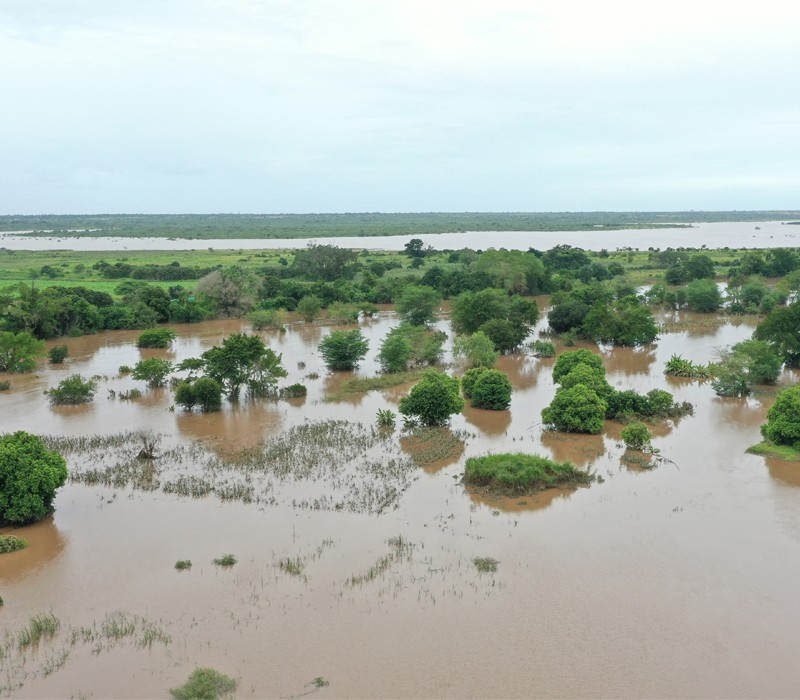
Rainfall patterns are crucial for creating mosquito breeding sites. Increased rainfall and flooding can expand these sites, leading to larger mosquito populations. Conversely, prolonged droughts can reduce breeding opportunities, but may also concentrate populations in remaining water sources. [[2]]
Extreme Weather Events
Extreme weather events, such as floods and droughts, are becoming more frequent and intense due to climate change. These events can disrupt malaria control programs, displace populations, and create new opportunities for transmission.
Current Climate Trends and Future Projections
The World Meteorological Organization (WMO) reports that 2025 is on track to be one of the warmest years on record, continuing a trend of exceptionally high global temperatures. [[2]] This warming trend, coupled with changes in rainfall patterns, is expected to exacerbate the challenges posed by malaria. Preliminary data indicates that ocean heat content reached record levels in 2024, with continued warming in 2025, further influencing weather patterns globally. [[2]]
The Need for integrated Strategies
Addressing the impact of climate change on malaria requires an integrated approach that combines customary malaria control measures with climate adaptation strategies. This includes:
- Strengthening climate monitoring and early warning systems to predict and prepare for changes in malaria transmission patterns.
- Developing climate-resilient malaria control interventions, such as insecticide-treated nets and indoor residual spraying.
- Investing in research to better understand the complex interactions between climate, malaria, and human behaviour.
- Enhancing healthcare infrastructure and access to treatment in vulnerable communities.
Looking Ahead
The relationship between climate change and malaria is complex and evolving.Continued research, monitoring, and international collaboration are essential to mitigate the risks and protect vulnerable populations. The WMO’s ongoing monitoring of global climate indicators, as detailed in reports like the state of the Global Climate, provides crucial data for informing these efforts. [[1]] Failure to address this challenge will jeopardize decades of progress in the fight against malaria and undermine global health security.
Related reading