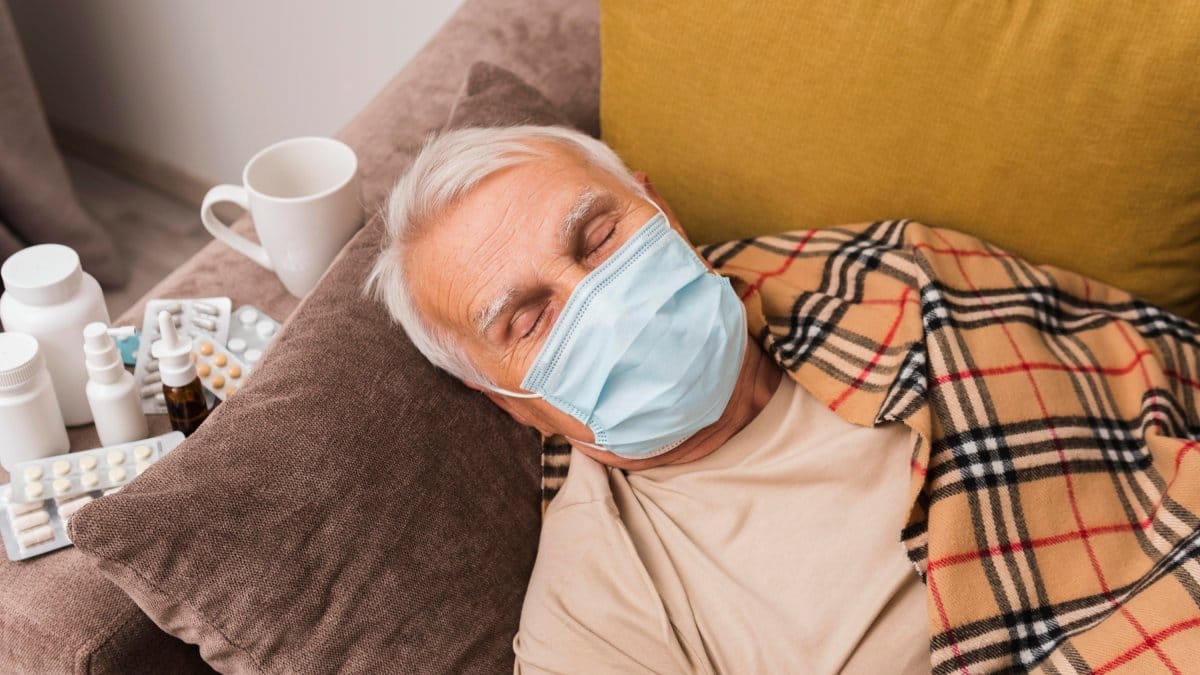
Polypharmacy and Deprescribing: A Growing Concern Worldwide
The issue of polypharmacy – the use of multiple medications together – is increasingly recognized as a significant concern for elderly patients globally, often leading to adverse drug interactions, reduced quality of life, and increased healthcare costs.Recent research, including studies originating in Japan, highlights the need for “deprescribing,” the process of carefully and systematically reviewing and stopping medications that are no longer beneficial or are possibly harmful.
Japanese Study Findings
A recent Japanese study, as reported by NSC Total, examined medication use in elderly patients. the study revealed a high prevalence of polypharmacy, with patients often continuing to take medications even at the end of life that offered no discernible benefit. The research indicated that interventions to reduce medication burden were more successful in hospitalized patients and those receiving palliative care, with women and individuals with multiple health conditions benefiting most from medication reviews.
Evidence Extends Beyond Japan
This pattern of excessive medication use isn’t limited to Japan. A French study published in ScienceDirect investigated medication use among elderly patients with metastatic lung cancer. The research found an average of six medications taken daily excluding oncology drugs, with 64% of patients experiencing polypharmacy. Importantly, the study identified frequent instances of inappropriate prescriptions and clinically significant drug interactions, necessitating frequent adjustments to treatment plans. Each pharmaceutical intervention resulted in at least one medication change, suggesting many prescriptions could have been reviewed and potentially discontinued earlier. (https://www.sciencedirect.com/science/article/pii/S221110421730276X?via%3Dihub)
Palliative care and the Path Forward
While palliative care settings demonstrate a higher likelihood of successful deprescribing, the Japanese study found that over 70% of patients still continued to take medications with no benefit in their final month of life.experts emphasize the importance of expanding deprescribing programs to provide more humane and effective end-of-life care. hospitalization in specialized units proved more effective in simplifying medication regimens than routine clinical consultations.
The growing body of evidence underscores the need for healthcare professionals to proactively review medication lists, particularly for elderly patients and those with complex health needs, to identify and discontinue potentially harmful or ineffective drugs.
Other recent news from NSC Total:
* Fruta jambo tem ação preventiva contra infarto e ajuda a regular a pressão arterial (Jambo fruit has a preventive action against heart attack and helps regulate blood pressure)
* Arquiteto vive em casa móvel de 9 metros quadrados com teto solar, banheiro e até jardim (Architect lives in a 9 square meter mobile home with sunroof, bathroom and even a garden)
* Estudante de 18 anos ganha R$ 1,4 milhão após criar IA que analisa dados da NASA mais rápido (18-year-old student wins R$ 1.4 million after creating AI that analyzes NASA
Related reading