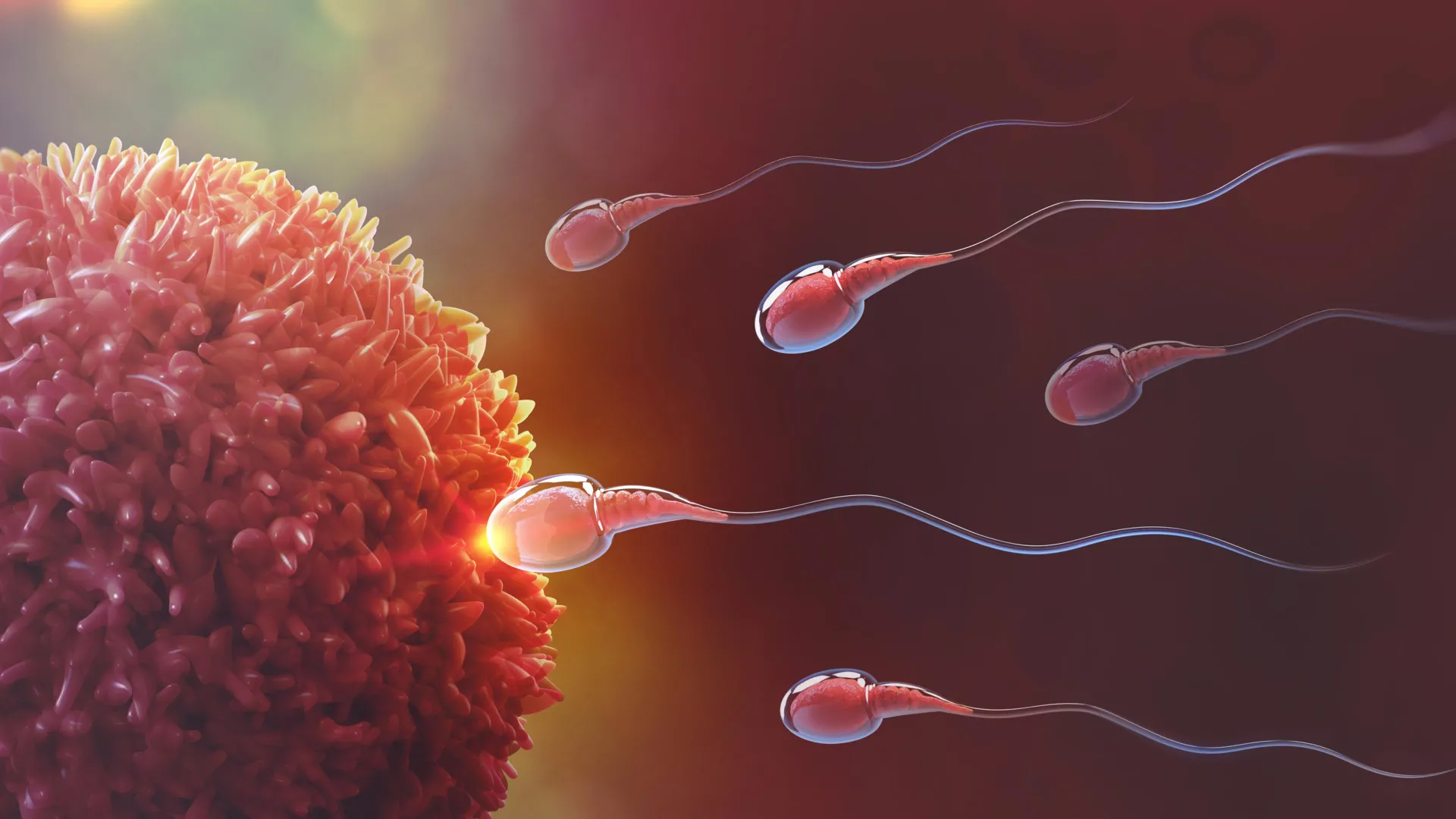
Summary of the Article: Sperm Metabolism and its Implications
This article details research led by Dr. Dana Balbach at Michigan State University, focusing on the metabolic changes sperm undergo when preparing for fertilization.Here’s a breakdown of the key takeaways:
Core Revelation:
* Sperm dramatically increase energy production when activated. This surge is crucial for the demanding journey to the egg.
* Glucose is a key fuel source. Balbach’s team developed a method to track how sperm process glucose, revealing a clear difference in metabolic pathways between inactive and activated sperm. They likened this tracking to following a brightly colored car through traffic.
* Aldolase is a critical enzyme. This enzyme plays a key role in converting glucose into usable energy for sperm.Sperm also utilize internal energy reserves.
* “Traffic-control” enzymes regulate glucose metabolism. These enzymes direct how glucose is processed, influencing energy production efficiency.
Implications & Future Research:
* Infertility: Understanding sperm metabolism could lead to better diagnostic tools and improved assisted reproductive technologies for the ~1 in 6 people worldwide affected by infertility.
* Nonhormonal Birth Control: The research opens doors for developing new, nonhormonal male (and perhaps female) contraceptives. The goal is to temporarily disable sperm function by targeting metabolic processes, rather than stopping sperm production altogether (which has drawbacks like lack of on-demand control and hormonal side effects).
* Further Research: Balbach plans to investigate how sperm utilize other fuel sources like fructose and how these findings translate to human sperm.
the research provides a notable step forward in understanding the complex biology of fertilization and offers promising avenues for addressing both infertility and contraceptive needs.
Keep reading