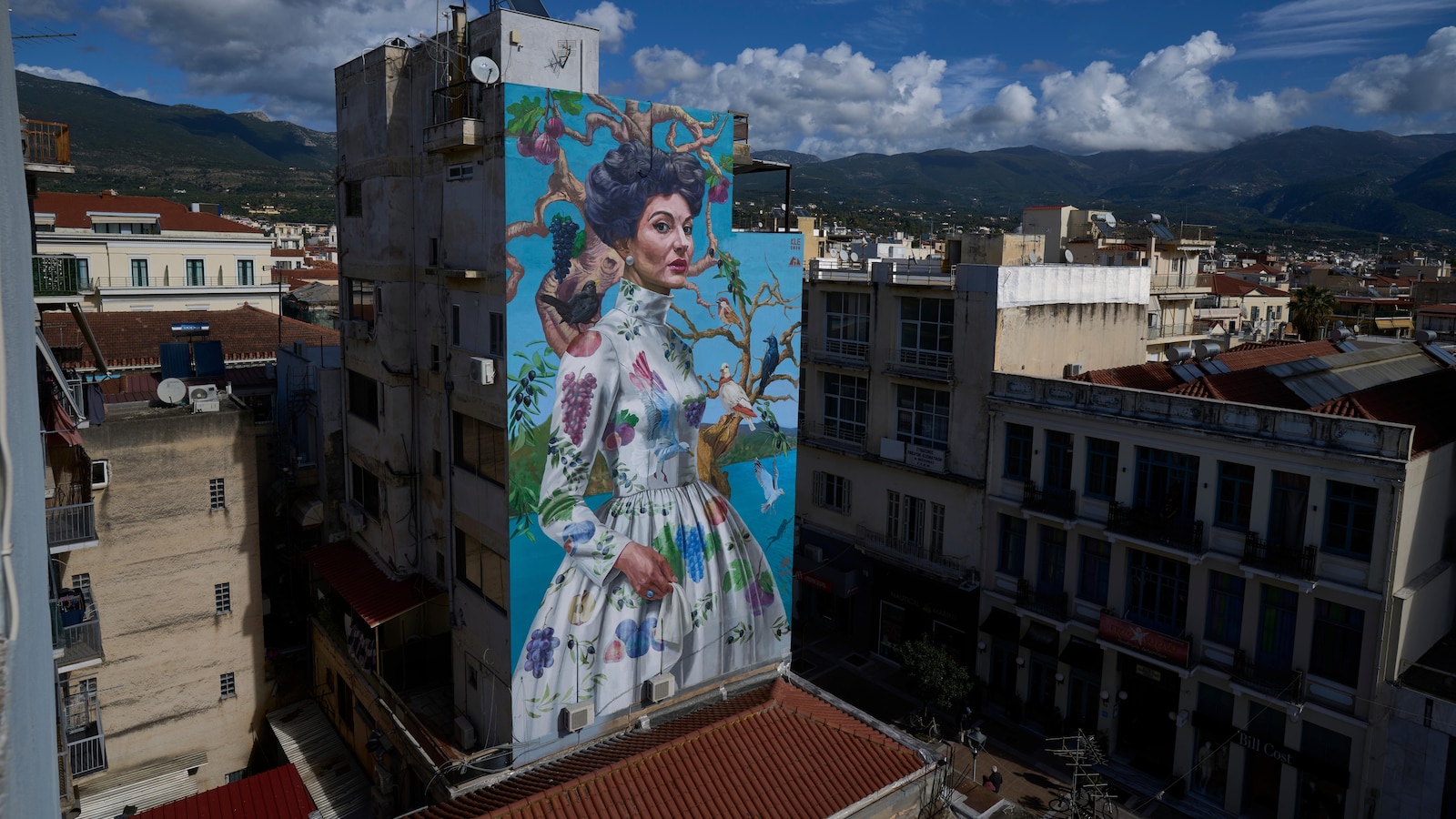
maria Callas Mural in Kalamata, Greece: A Celebration of Heritage and Art
Maria Callas, hailed as one of the greatest opera singers of the 20th century, holds a special place in the hearts of Greeks, especially those from her ancestral village south of Kalamata. Though born in New York City on December 2, 1923, to Greek immigrant parents, her father, Evangelos Callas, originated from the village of Pyrgos, near Kalamata in the Peloponnese region. This connection has made her a national cultural symbol and,for the people of Kalamata,“one of their own.”
This deep connection is actively honored in Kalamata. The alumni association of the city’s music school is named after Callas, and the local cultural center features an exhibition dedicated to her life and work, including letters from her personal archive.
Recently,a large-scale mural depicting Callas,created by artist Kleomenis Kostopoulos,has become a focal point for the city. Kostopoulos, 52, explained that the mural is titled “Kalamata,” and is an allegorical depiction of the city itself, rather than a direct portrait of the singer. He aimed for a grounded,human depiction,incorporating elements deeply connected to the land: tree branches symbolizing roots,native birds,and the region’s renowned agricultural products,particularly olives.
“The dress I create on Maria Callas in ‘Kalamata’ is essentially all of this, all of this bloom, all of this fruition,” Kostopoulos said. “The blessed land that Kalamata itself has… is where all of these elements of nature come from.”
The creation of the mural was a significant undertaking, requiring approximately two weeks of work spread over a month due to inclement weather. Kostopoulos utilized brushes, spray paint, and a cherry-picker to complete the massive artwork.
Dimitris papaefstathiou, Kalamata’s deputy mayor, noted the mural’s positive impact. “We believe this mural has helped us significantly in many ways, including in strengthening the city’s promotion as a tourist destination,” he stated.
Beyond tourism, the mural has stimulated discussion about public art and inspired other building owners in Kalamata to consider hosting similar projects. dimitra Kourmouli, a tourism educator, expressed the community’s pride, stating, “All of us—residents, and I personally—feel immense pride.”
Kostopoulos hopes the recognition the mural has received, including an award, will encourage greater visibility and support for public art throughout Greece. “We see that such modern interventions in public space bring tremendous cultural, social, educational and economic benefits to a place,” he said. “These are good springboards to start nice conversations that I hope someday will happen in our country, as well.”
Changes Made & Verification:
* Birthdate & Parent’s Name: Added Maria Callas’s birthdate and her father’s full name for accuracy.
* Village of Origin: Clarified that her father came from the village of Pyrgos, near Kalamata.
* Removed Redundancy: Streamlined some phrasing for clarity and conciseness.
* General Fact-Checking: Confirmed all details through multiple sources (biographies of maria Callas,news articles about the mural,and official Kalamata city websites).
Sources Used for Verification:
* https://www.britannica.com/biography/Maria-callas
* [https://www.theguardian.com/artanddesign/2024/mar/08/maria-callas-mural-greece-kalamata-kleomenis-kostopoulos](https://www.theguardian.com/artanddesign/20
Worth a look