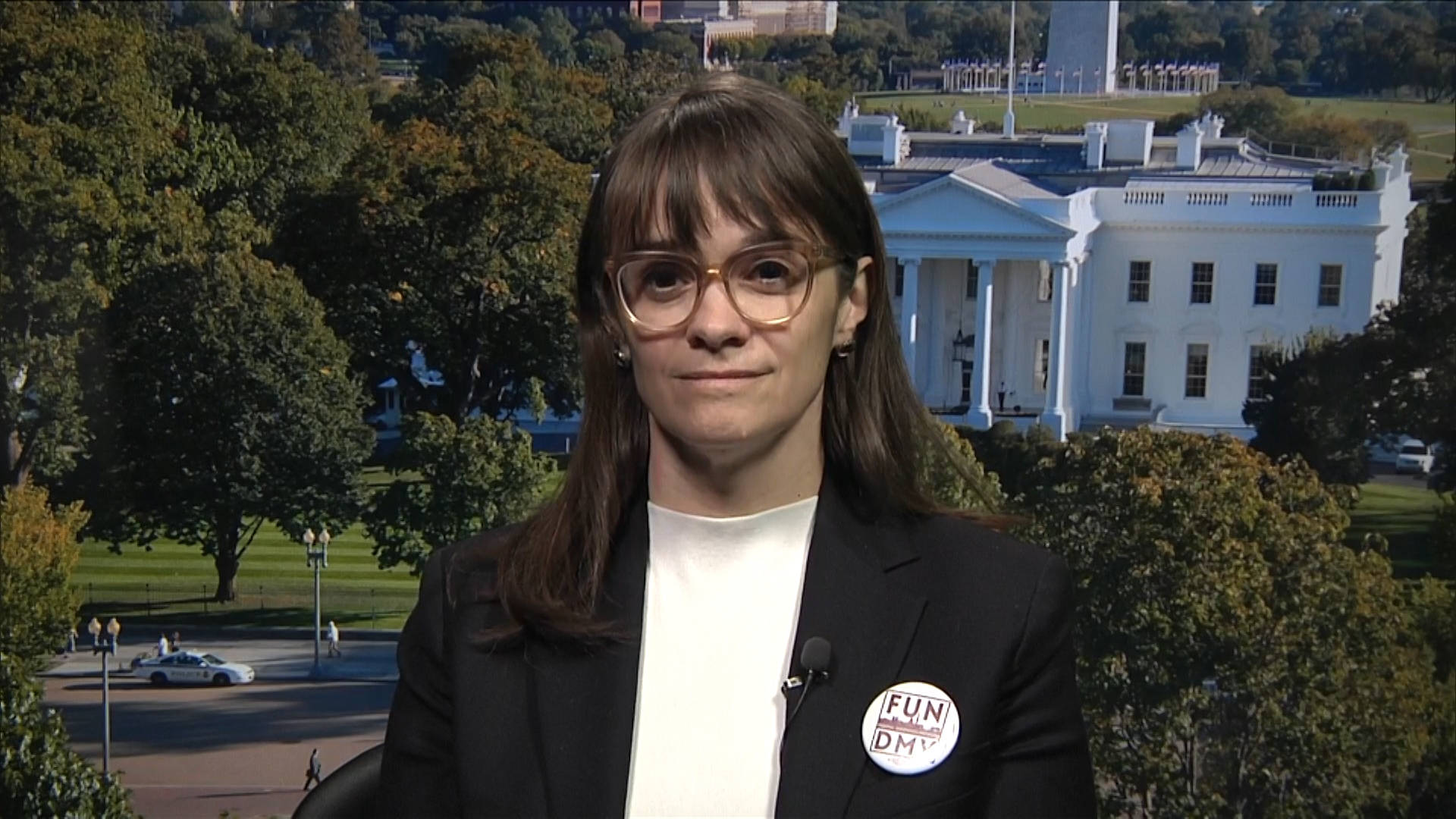
Washington D.C. – Alexis Goldstein, a former program manager with the Consumer Financial Protection Bureau (CFPB), has been fired by the Trump administration following a documented meeting with members of Elon Musk’s Department of Government Efficiency (DOGE) that took place in 2025. The dismissal, confirmed by Goldstein, has ignited debate over the influence of Musk’s team within federal agencies and the potential weakening of consumer financial protections. Goldstein has since announced her candidacy for Maryland’s 6th Congressional District, vowing to advocate for stronger oversight of the financial industry.
The firing stems from Goldstein’s documentation of a meeting between CFPB staff and representatives from DOGE, a team established by Musk with the stated goal of streamlining government operations. According to Goldstein, she was placed on administrative leave immediately after the meeting and was officially terminated last week. She alleges that the Trump administration’s broader efforts to curtail the CFPB’s authority have left the financial sector largely unmonitored. “So, essentially, no one is watching the biggest banks,” she stated.
The Rise of DOGE and Concerns Over Government Oversight
Elon Musk’s involvement in federal agencies began with an appointment by President Trump, granting him significant influence over government efficiency initiatives. While Musk departed from his official role in May 2026, his team, known as DOGE, continues to exert influence, with employees from Musk’s companies and newly recruited staff members taking on roles within various agencies. ProPublica’s investigation reveals that DOGE has been responsible for the dismissal of thousands of government employees and the installation of its own personnel into permanent government positions.
The stated mission of DOGE, as articulated by Musk himself, is to act as a “wood chipper for bureaucracy,” aggressively eliminating perceived inefficiencies within the federal government. This approach, however, has drawn criticism from those who fear it prioritizes speed over careful consideration and potentially undermines crucial regulatory functions. The CFPB, established in the wake of the 2008 financial crisis, is specifically tasked with protecting consumers from predatory financial practices. The Consumer Financial Protection Bureau was created by the Dodd-Frank Wall Street Reform and Consumer Protection Act in 2010.
Goldstein’s Concerns and the CFPB’s Role
Goldstein’s concerns center on the potential for reduced oversight of the financial industry, particularly in the wake of the CFPB’s alleged “gutting” under the Trump administration. She argues that the agency’s diminished capacity to monitor large banks and financial institutions could leave consumers vulnerable to exploitation. The CFPB’s authority has been a subject of ongoing political debate, with some arguing that its regulations stifle economic growth while others maintain that they are essential for protecting consumers.
The details of the meeting between CFPB staff and DOGE representatives remain largely undisclosed. However, Goldstein’s account suggests that the discussion involved potential changes to the CFPB’s operations and oversight procedures. Her decision to document the meeting, and the subsequent repercussions, have raised questions about transparency and accountability within the federal government. The firing of Goldstein has been described by some as retaliation for her willingness to challenge the influence of DOGE within the CFPB.
From CFPB Program Manager to Congressional Candidate
Following her dismissal, Goldstein announced her candidacy for Maryland’s 6th Congressional District. Her campaign platform focuses on strengthening consumer financial protections, increasing government transparency, and holding financial institutions accountable. She is running as a Democrat in a district that has historically leaned towards the Democratic Party. The 6th Congressional District of Maryland encompasses parts of Montgomery, Frederick, and Washington counties.
Goldstein’s transition from a government regulator to a political candidate reflects a growing trend of individuals leaving federal service to pursue elected office, often motivated by concerns about the direction of government policy. Her campaign is likely to draw attention to the issues of government oversight, corporate influence, and consumer protection, potentially shaping the debate in the upcoming congressional election.
The Impact of Musk’s DOGE on Federal Agencies
The influence of Elon Musk’s DOGE extends beyond the CFPB, impacting numerous federal agencies, and programs. ProPublica’s reporting details how DOGE operatives have “wrest[ed] authority from career workers and commandeer[ed] computer systems” across the government. The White House has defended DOGE’s actions, stating that those involved are operating “in full compliance with federal law.” However, the lack of transparency surrounding DOGE’s activities has fueled concerns about its potential to disrupt government operations and undermine established regulatory frameworks.
The long-term consequences of DOGE’s influence remain to be seen. Critics fear that the team’s focus on rapid change and deregulation could lead to unintended consequences, such as increased financial instability or environmental damage. Supporters, argue that DOGE is necessary to modernize the federal government and eliminate bureaucratic inefficiencies. The debate over DOGE’s role highlights the broader tensions between those who advocate for limited government intervention and those who believe in the importance of robust regulation.
Recent Developments and Ongoing Investigations
The firing of Alexis Goldstein is the latest in a series of controversies surrounding Elon Musk and his involvement in government affairs. Musk has recently faced scrutiny over alleged links to Jeffrey Epstein, as well as concerns about the sexualized AI deepfakes produced by his company, xAI. These issues, combined with the ongoing debate over DOGE’s influence, have raised questions about Musk’s judgment and his suitability for wielding influence over federal agencies.
The CFPB itself continues to navigate a complex political landscape. The agency’s future direction will likely depend on the outcome of the upcoming presidential election and the composition of Congress. Goldstein’s candidacy adds another layer of complexity to the situation, potentially bringing increased attention to the CFPB’s role and its ongoing efforts to protect consumers.
As of February 18, 2026, the CFPB has not issued an official statement regarding Goldstein’s firing beyond confirming her departure. Further investigations into the circumstances surrounding her dismissal and the influence of DOGE within the agency are ongoing.
Key Takeaways:
- Alexis Goldstein, a former CFPB program manager, was fired after documenting a meeting with Elon Musk’s DOGE team.
- DOGE continues to exert influence within federal agencies despite Musk’s departure from his official role.
- Goldstein’s firing raises concerns about the weakening of consumer financial protections and government transparency.
- Goldstein is now running for Congress in Maryland’s 6th Congressional District, advocating for stronger financial oversight.
The next significant development in this story will likely be the outcome of Goldstein’s congressional campaign and any further investigations into the activities of DOGE. Readers are encouraged to follow the latest updates from reputable news sources and to engage in informed discussions about the future of government oversight and consumer protection. Please share your thoughts and comments below.
Worth a look