Google’s Lyria 3 Brings AI-Powered Music Creation to Gemini Users
San Francisco, CA – Google is expanding the creative capabilities of its Gemini application with the integration of Lyria 3, its most advanced music generation model to date. Launched today, February 18, 2026, Lyria 3 allows users to generate custom 30-second soundtracks from simple text prompts or image uploads, opening up new avenues for musical expression and content creation. This development marks a significant step in democratizing music production, making it accessible to individuals without formal musical training. The rollout is happening globally in several languages, including English, Japanese, Korean, Hindi, Spanish, Portuguese, German, and French, for users aged 18 and over.
The advent of AI music generation tools like Lyria 3 raises fundamental questions about the nature of creativity and authorship. While the technology doesn’t replace human musicians, it offers a powerful new tool for experimentation and rapid prototyping. The ability to translate ideas and visuals into audio form in seconds has the potential to transform workflows for content creators, educators, and anyone seeking to add a personalized soundtrack to their digital lives. Google’s DeepMind has been developing Lyria for some time, initially offering limited access through developer-focused platforms like Vertex AI, but this Gemini integration represents a major leap in accessibility. The core functionality centers around providing a user-friendly interface to harness the power of artificial intelligence for musical composition.
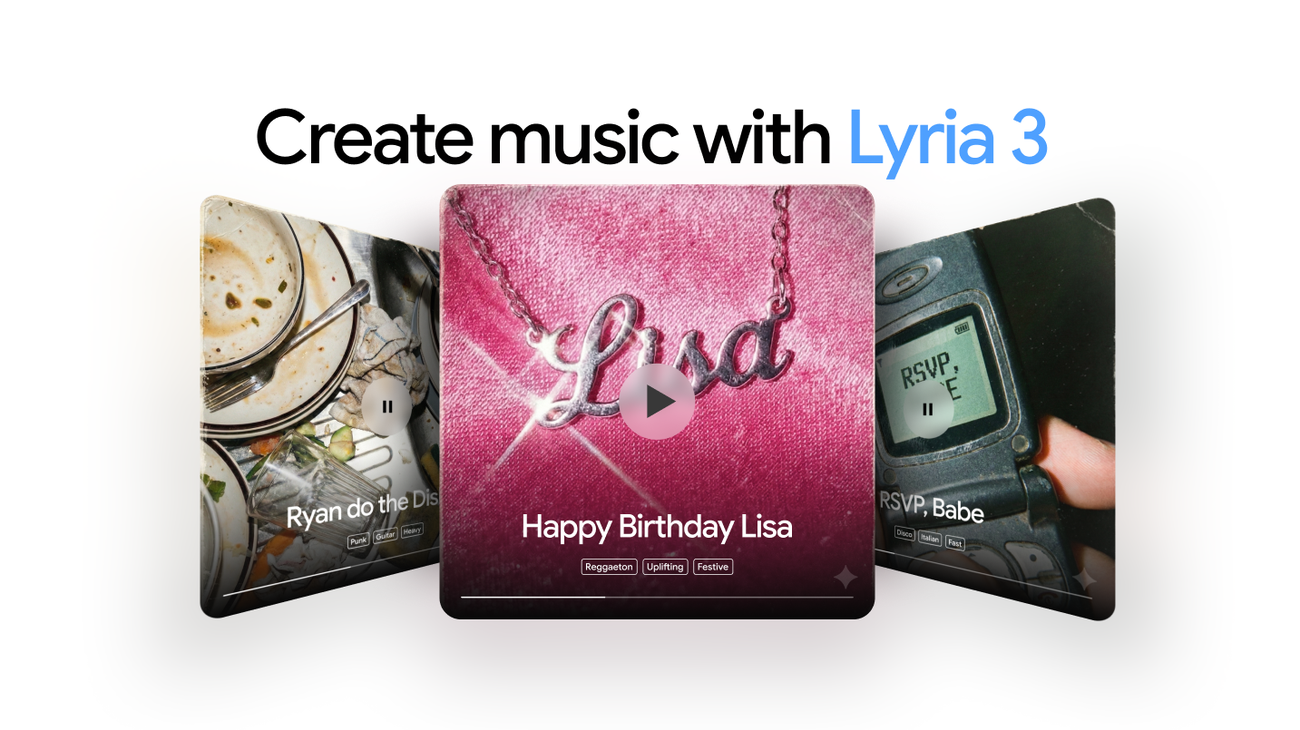
Lyria 3 distinguishes itself from previous iterations by eliminating the require for lyrical input. Users can simply describe the desired mood, genre, or theme, and the model will generate both the music and accompanying lyrics. This feature significantly lowers the barrier to entry for users who may not be songwriters. The model offers increased creative control over elements such as style, instrumentation, and tempo (beats per minute, or BPM), allowing for more nuanced and personalized results. According to Google, Lyria 3 is capable of producing more realistic and musically complex tracks than its predecessors. Each generated track is accompanied by a custom album cover-style image created by Google’s Nano Banana model, enhancing the overall creative experience.
How Lyria 3 Works Within Gemini
The integration of Lyria 3 within the Gemini app is designed to be intuitive and seamless. Users can access the music creation feature through the tools menu and select “Create music.” We find three primary ways to utilize Lyria 3: text-to-track, file-to-track, and idea-to-track. The text-to-track option allows users to describe a specific genre or mood, such as “a relaxing jazz track with a delicate piano, jazz chords, and a slow tempo.” The file-to-track functionality enables users to upload images, PDFs, slides, or documents, and Gemini will analyze the content to compose a track with lyrics that complement the visual or textual material. For example, a user could upload photos of their dog and request a track about hiking in the woods. Finally, the idea-to-track option allows users to transform any concept or phrase into a musical piece, such as “a 90s skate punk track to share my roommate Ryan to do the dishes, with lots of energy and fast drums.”
The resulting tracks are 30 seconds in length and can be easily shared with friends and colleagues by downloading the file or clicking a shareable link. Google emphasizes that the primary goal of Lyria 3 is not to create polished, professional-grade recordings, but rather to provide a unique and accessible means of self-expression. The generated music is intended to be a fun and engaging way to add a personal touch to various digital projects and communications. The Gemini app also offers a pre-loaded set of AI-generated tracks that users can remix and customize to their liking, further expanding the creative possibilities.
Expanding Creative Tools with Dream Track
Beyond the Gemini app, Lyria 3 is also being integrated into Google’s Dream Track toolkit for YouTube Shorts. Dream Track, designed to help creators develop unique soundtracks for their short-form videos, will benefit from the improved audio generation capabilities of Lyria 3. This integration is currently being rolled out to YouTube creators outside of the United States, promising enhanced quality and customization options for Shorts soundtracks. The ability to fine-tune the musical accompaniment will allow creators to elevate their content and engage their audiences more effectively. This expansion demonstrates Google’s commitment to providing creators with a comprehensive suite of AI-powered tools for video and audio production.
Key Improvements in Lyria 3
Google highlights three key improvements in Lyria 3 compared to previous versions of the model. First, the elimination of the requirement for user-provided lyrics simplifies the creation process and broadens accessibility. The model now automatically generates lyrics based on the user’s prompt. Second, users have greater creative control over various musical parameters, including style, voice, and BPM. This allows for more precise customization and a wider range of musical outcomes. Finally, Lyria 3 is capable of generating more realistic and musically complex tracks, resulting in a higher-quality listening experience. These advancements collectively position Lyria 3 as a significant step forward in AI-powered music generation.
The development of Lyria 3 and its integration into Gemini and Dream Track reflect a broader trend in the tech industry towards democratizing creative tools. AI-powered platforms are increasingly empowering individuals to express themselves through music, art, and video, regardless of their technical skills or formal training. This trend has the potential to unlock a new wave of creativity and innovation, as more people gain access to the tools they need to bring their ideas to life. However, it also raises important questions about copyright, ownership, and the role of human artists in an increasingly automated creative landscape.
The rollout of Lyria 3 is currently underway and is expected to be fully available to all eligible users within the next few days. Administrators of Google Workspace accounts can control access to the Gemini app and its associated features, including music generation, through the Generative AI settings in the Workspace Admin console. Google’s Workspace Updates blog provides further details on managing access and configuring the Gemini app for organizations. Complete users who have access to the Gemini app will automatically receive access to Lyria 3, streamlining the adoption process.
Key Takeaways
- Lyria 3, Google’s latest AI music generation model, is now available within the Gemini app.
- Users can create 30-second soundtracks from text prompts or image uploads without needing to write lyrics.
- The technology is expanding to YouTube Shorts through integration with Dream Track.
- Lyria 3 offers increased creative control over musical style, tempo, and instrumentation.
- The rollout is global, supporting multiple languages and available to users 18 and older.
Looking ahead, Google plans to continue refining Lyria 3 and exploring new applications for AI-powered music generation. The company is also committed to addressing the ethical and legal challenges associated with this technology, ensuring that This proves used responsibly and in a way that respects the rights of artists and creators. The next step in the evolution of Lyria 3 will likely involve expanding the length of generated tracks and introducing more advanced customization options. We will continue to monitor developments and provide updates as they become available.
What are your thoughts on AI-generated music? Share your opinions and experiences in the comments below. Don’t forget to share this article with your network to spread the word about this exciting new technology!