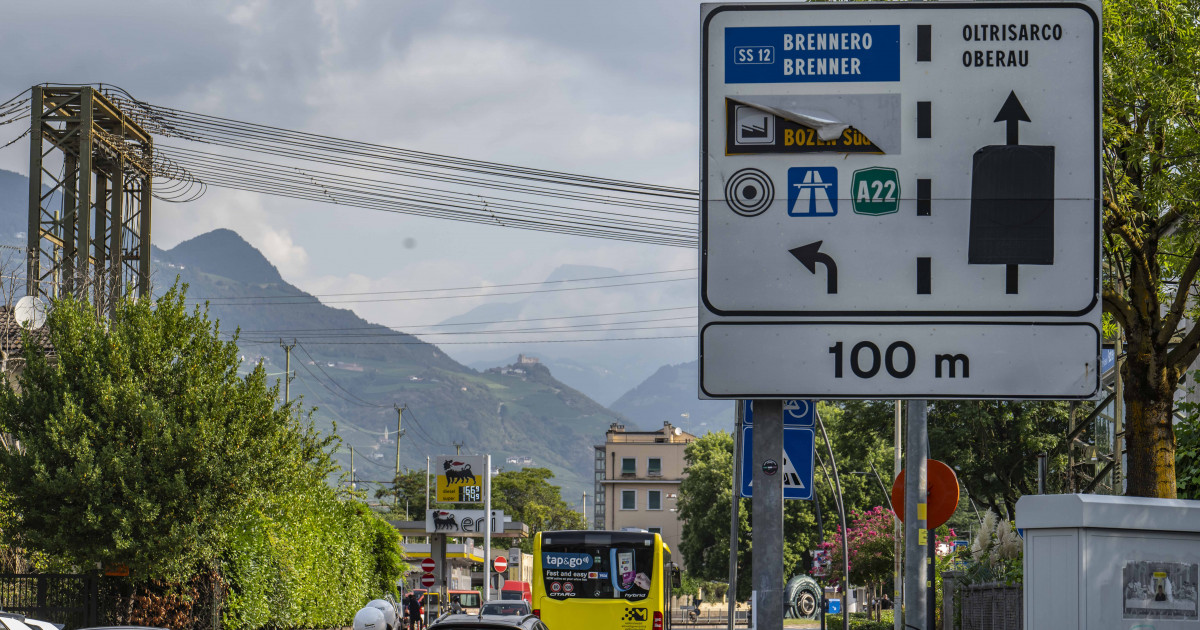
Bolzano, Italy, is preparing for a comprehensive analysis of air quality and traffic flow along Via Claudia Augusta, a major thoroughfare that recently reopened to traffic after a two-decade closure. The study, announced by the municipality, aims to provide objective data to inform future decisions regarding mobility, environmental protection, and urban planning in the region. This initiative comes in response to concerns raised by local residents and advocacy groups regarding the potential impact of increased traffic on air quality, particularly near schools and residential areas. The focus on data-driven decision-making reflects a growing trend in urban planning, prioritizing evidence-based strategies for sustainable development.
The reopening of Via Claudia Augusta on August 18, 2025, was initially presented as a temporary experiment, allowing most vehicles – excluding heavy goods vehicles – to traverse the route in both directions. The closure, lasting approximately 20 years, had been implemented to address traffic congestion and improve air quality. Although, six months after the reopening, a citizen committee composed of representatives from the Democratic Party (PD), the Green Party (Verdi), and the Civica di Andriollo group, formally requested detailed data on traffic volume and air pollution levels. Their request specifically sought data spanning the last 24 months, assessments of acoustic and atmospheric impact, bus travel times, and readings from particulate matter (PM10 and PM2.5) monitoring stations. The committee emphasized the need for verifiable data, rather than relying on subjective impressions, especially given the proximity of schools to the roadway.
The Road to Reopening and Subsequent Scrutiny
The decision to reopen Via Claudia Augusta was not without controversy. Mayor Claudio Corrarati initially responded to calls for data transparency by suggesting that a full year of monitoring would be necessary to establish a reliable baseline for comparison, citing changes in vehicle fleets over the past two decades. However, the municipality has now committed to delivering a detailed report in the coming weeks, signaling a shift towards greater transparency and responsiveness to public concerns. This report will integrate data on air quality and traffic patterns, providing a holistic view of the situation. The move underscores the importance of public engagement in urban development projects and the need for ongoing monitoring to assess their effectiveness.
The “Agenda Bolzano,” a broader infrastructure plan for the city, is also playing a role in the renewed focus on air quality monitoring. In anticipation of major construction projects related to this agenda, the municipality, in collaboration with the Province of Bolzano, will establish a permanent monitoring table to track air quality across the entire city. This proactive approach demonstrates a commitment to mitigating the potential environmental impacts of infrastructure development and ensuring a healthy living environment for residents. The current air quality in the Via Claudia Augusta area is reported as “Good” as of February 17, 2026, according to the Air Quality Index (AQI).
Understanding the Concerns: Air Quality and Particulate Matter
Air quality is a significant public health concern in many urban areas, and Bolzano is no exception. Particulate matter, specifically PM10 and PM2.5, are microscopic particles that can penetrate deep into the lungs, causing respiratory problems and cardiovascular disease. PM10 refers to particles with a diameter of 10 micrometers or less, while PM2.5 refers to particles with a diameter of 2.5 micrometers or less. These particles originate from various sources, including vehicle emissions, industrial processes, and construction activities. Monitoring these pollutants is crucial for assessing the effectiveness of air quality management strategies and protecting public health. The European Environment Agency (EEA) provides comprehensive data and assessments on air quality across Europe, including Italy, and highlights the health impacts of air pollution. The EEA’s perform is essential for understanding the broader context of air quality challenges in the region.
The reopening of Via Claudia Augusta raised concerns that increased traffic would lead to higher concentrations of particulate matter in the surrounding areas. The citizen committee’s request for data on PM10 and PM2.5 levels reflects these concerns, as these pollutants are particularly harmful to human health. The upcoming report is expected to provide valuable insights into the actual impact of the reopening on air quality, allowing policymakers to make informed decisions about potential mitigation measures. These measures could include traffic management strategies, promotion of public transportation, and investment in cleaner vehicle technologies.
The Role of Data and Future Planning
The municipality’s commitment to a data-driven approach is a positive step towards sustainable urban planning. By integrating data on air quality and traffic flow, the report will provide a comprehensive picture of the situation, enabling policymakers to assess the effectiveness of the reopening and identify areas for improvement. The projections for the medium and long term will be particularly valuable, as they will aid to anticipate future challenges and develop proactive solutions. This approach aligns with the principles of smart city initiatives, which leverage data and technology to improve the quality of life for residents. The analysis will be crucial for future decisions on mobility, air protection, and urban planning.
The establishment of a permanent monitoring table for air quality across the city is another important development. This table will provide ongoing data and insights, allowing the municipality to track trends, identify emerging problems, and evaluate the effectiveness of its policies. The collaboration with the Province of Bolzano will ensure a coordinated approach to air quality management, leveraging expertise and resources from both levels of government. This collaborative effort is essential for addressing the complex challenges of air pollution and creating a healthier environment for all residents.
Looking Ahead: Next Steps and Ongoing Monitoring
The forthcoming report on Via Claudia Augusta is expected to be released in the coming weeks. This report will serve as a foundation for future decisions regarding traffic management and air quality control in the area. The municipality has also committed to activating a permanent monitoring table for air quality across the entire city, in coordination with the Province of Bolzano. The ongoing monitoring will provide valuable data for assessing the long-term impacts of the reopening and informing future urban planning initiatives. The city’s commitment to transparency and data-driven decision-making is a positive sign for residents and stakeholders alike.
The “Agenda Bolzano” infrastructure projects will undoubtedly present new challenges and opportunities for air quality management. The municipality’s proactive approach, including the establishment of the permanent monitoring table, demonstrates a commitment to mitigating the potential environmental impacts of these projects. The success of these efforts will depend on continued collaboration between the municipality, the Province of Bolzano, and the local community. The focus on sustainable development and environmental protection is essential for ensuring a healthy and livable city for future generations.
The next confirmed checkpoint is the release of the comprehensive air quality and traffic flow report on Via Claudia Augusta, anticipated within the next few weeks. Residents and stakeholders are encouraged to follow updates on the municipality’s website and participate in public consultations regarding urban planning initiatives. Share your thoughts and perspectives on this important issue in the comments below.