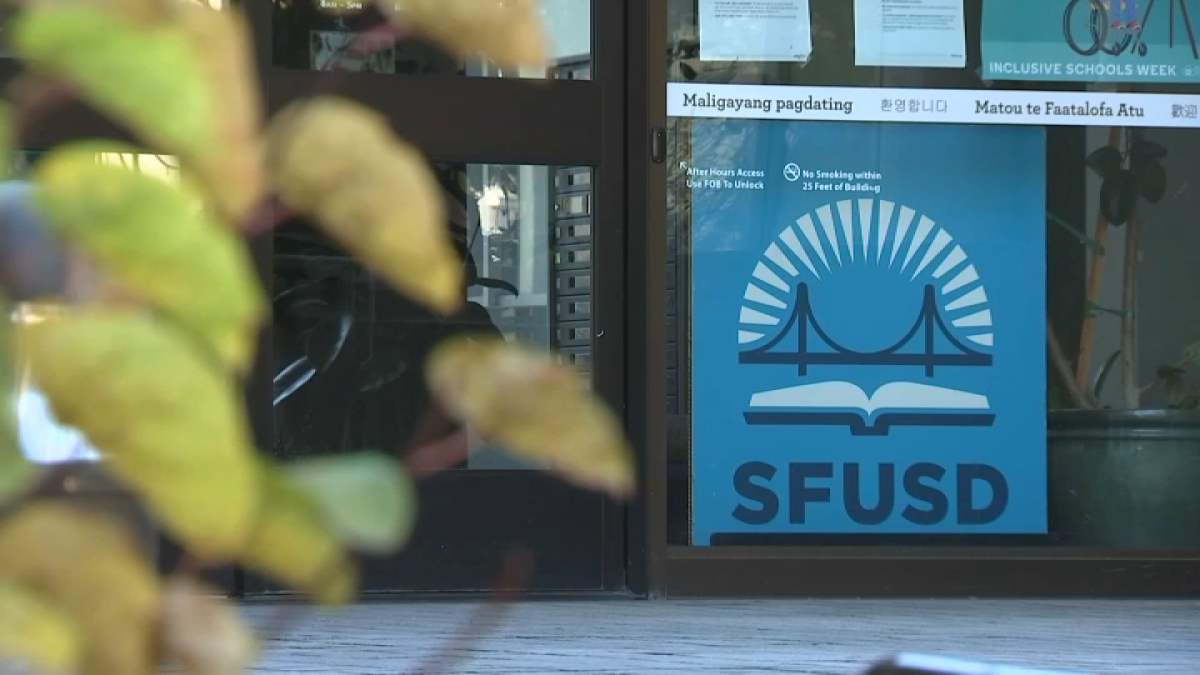
San Francisco students returned to classrooms on Wednesday, February 18, 2026, following a week-long strike by teachers that brought the San Francisco Unified School District (SFUSD) to a standstill. The strike concluded with a tentative agreement reached between the district and the United Educators of San Francisco (UESF), marking a significant moment for educators and families in the city. Superintendent of SFUSD, Dr. Maria Su, welcomed students back to school, signaling a return to normal operations after a period of disruption.
The labor dispute, which began earlier in February, saw approximately 6,000 educators participating in pickets, effectively closing schools for five days. Negotiations between the UESF and SFUSD were protracted, ultimately culminating in a tentative agreement reached in the early hours of Friday, February 13, 2026, after 13 hours of overnight bargaining. The agreement, as reported by Telemundo Area de la Bahía 48, included provisions valued at $183,000, though the specific details of the agreement require further clarification.
A Tentative Agreement and Return to Classrooms
The SFUSD announced on February 13, 2026, that all schools and work sites were open to staff as a transition day, paving the way for students to return on Wednesday, February 18. SFUSD, the seventh largest school district in California, serves around 50,000 students annually. The disruption caused by the strike underscored the critical role teachers play in the city’s educational landscape and the importance of addressing their concerns.
Dr. Maria Su, who has served as the Superintendent of SFUSD since September 12, 2025, has overseen a district with a $1.2 billion budget and nearly 9,000 employees. According to SFUSD’s website, her leadership is focused on fiscal stability, operational effectiveness and fostering inclusive partnerships to enhance student outcomes. Prior to her role at SFUSD, Dr. Su served as the Executive Director of the Department of Children, Youth, and Their Families (DCYF) in San Francisco, appointed by Mayor Gavin Newsom in 2009, where she managed a $350 million budget.
The Roots of the Strike and UESF Demands
While details of the tentative agreement are still emerging, the strike stemmed from a range of concerns raised by the UESF. These concerns likely included issues related to staffing levels, class sizes, and compensation, all aimed at improving the quality of education and working conditions for teachers. The UESF sought to address what they perceived as systemic challenges within the district, advocating for resources and support to better serve the diverse student population of San Francisco.
On February 11, 2026, approximately twenty students marched to the War Memorial Opera House, demanding a meeting with Dr. Su to directly express their concerns about the ongoing strike, as reported by El Tecolote. The students organized a meeting in anticipation of a conversation with the superintendent, but were informed by Hong Mei Pang, SFUSD’s Chief Communications and Governance Officer, that Dr. Su was unavailable. The students voiced their frustrations and concerns to Pang, emphasizing the impact of the strike on their education.
Impact on Students and Families
The week-long strike presented significant challenges for families in San Francisco, requiring them to find alternative childcare arrangements and navigate the disruption to their children’s education. The SFUSD provided resources and support to families during the strike, but the closure of schools undoubtedly created hardship for many. The return to classrooms on Wednesday, February 18, offered a sense of relief and normalcy for students and parents alike.
The SFUSD has also been navigating other important initiatives, including the expansion of free Transitional Kindergarten for children born between September 2, 2020, and September 1, 2021, for the 2025-26 school year. The district is implementing a $1.2 billion bond measure approved by San Francisco voters in 2024, focusing on school safety, modernization, and healthy school meals. These ongoing efforts demonstrate the district’s commitment to improving the educational experience for all students.
Looking Ahead: Ratification and Continued Negotiations
The tentative agreement reached between the UESF and SFUSD is subject to ratification by union members. The ratification process will involve a vote by UESF members, who will decide whether to accept the terms of the agreement. If ratified, the agreement will provide a framework for improved working conditions and educational opportunities for teachers and students in San Francisco.
The SFUSD is also continuing to address other important issues, such as immigration policy and resources, reaffirming its commitment to being a sanctuary for immigrant communities. The district’s ongoing efforts to promote equity and address systemic challenges reflect a dedication to creating a brighter future for all students. The 2026 Superintendent’s 21st Century Scholarship Awards are also open for applications, offering financial assistance to graduating high school seniors.
The return to school on February 18th marks a new chapter for the San Francisco Unified School District. The successful negotiation of a tentative agreement, while not without its challenges, demonstrates a commitment to collaboration and a shared vision for the future of education in the city. The focus now shifts to the ratification process and the implementation of the agreement, ensuring that students and teachers have the resources and support they need to thrive.
The next key date to watch is the deadline for UESF members to ratify the tentative agreement. Further updates on the ratification process and the implementation of the agreement will be available on the SFUSD website. We encourage readers to share their thoughts and experiences regarding the strike and its impact on the San Francisco community in the comments below.