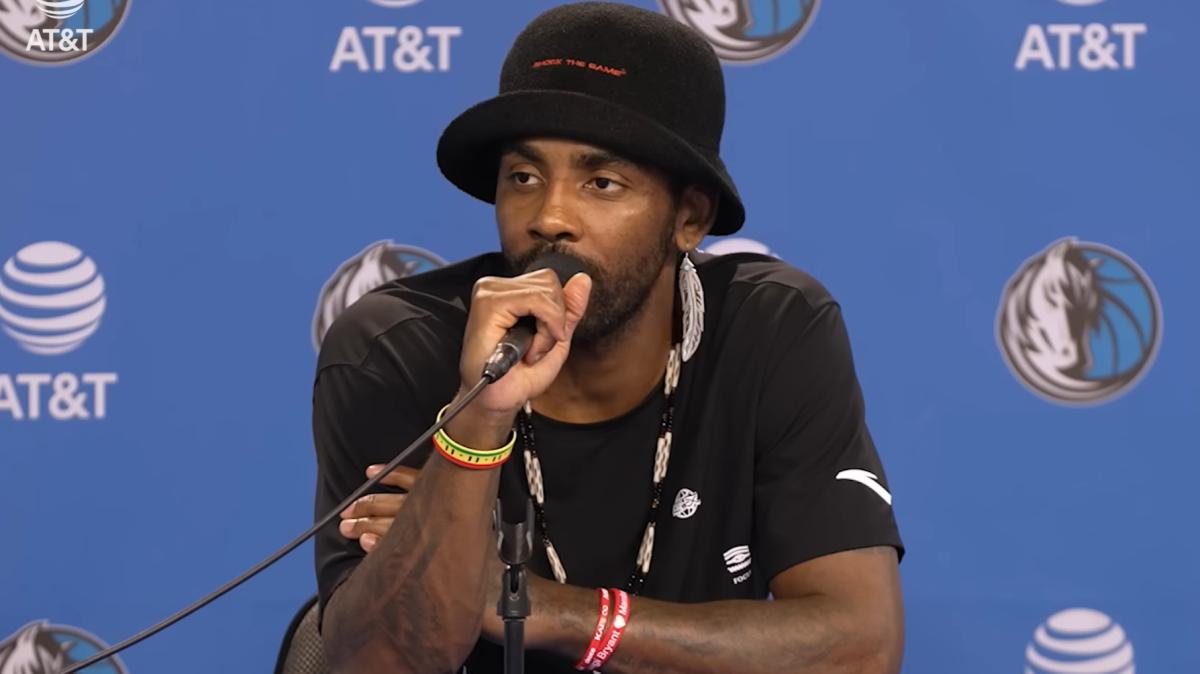
DALLAS – Kyrie Irving’s return to the basketball court will be delayed until the 2026-27 NBA season, as the Dallas Mavericks star continues his recovery from a torn anterior cruciate ligament (ACL) sustained in March of last year. The news, initially reported by ESPN through his agent Shams Charania, confirms that the nine-time All-Star will miss the entirety of the current 2025-26 season. This extended absence presents a significant challenge for the Mavericks as they navigate a rebuilding phase and await the return of one of their key players.
The injury, which occurred late in the 2023-24 season, required surgery and a lengthy rehabilitation process. According to Charania, the decision to prioritize a full recovery, rather than rushing back for the 2025-26 season, was made to ensure Irving is “back to 1,000%” and prepared to contend for a championship. Irving’s agent, Shetellia Riley Irving, echoed this sentiment, emphasizing the importance of allowing him the best possible chance to compete at his highest level when he returns. This cautious approach underscores the Mavericks’ commitment to Irving’s long-term health and success.
Irving’s Impact on the Mavericks
Since joining the Mavericks during the 2022-23 season, Irving has proven to be a pivotal player, contributing significantly to the team’s performance when healthy. The Mavericks have achieved a 75-53 record with Irving on the court, a stark contrast to their 42-75 record in games played without him. This statistic highlights his importance to the team’s success. But, his availability has been hampered by injuries, including the ACL tear that will now sideline him for an extended period.
Currently, the Mavericks hold a record of 19-35 as of February 18, 2026, placing them fourth in the Southwest Division. Mark Cuban, the former majority owner of the Mavericks, previously acknowledged the role of NBA insider Shams Charania in facilitating Irving’s initial trade to Dallas. The team’s recent performance reflects a period of transition, further complicated by the absence of their star player.
A Shift in Roster Dynamics
The Mavericks have signaled a clear intent to rebuild their roster, most notably with the recent trade involving Anthony Davis. Davis was sent to the Washington Wizards in a nine-player deal, marking a significant shift in the team’s strategy. This move suggests a focus on acquiring younger talent and building a sustainable foundation for future success. While the trade of Davis was a notable event, it similarly underscores the challenges the Mavericks face in the short term without Irving’s presence.
The decision to trade Davis, a highly skilled player, indicates the Mavericks are prioritizing long-term development over immediate contention. This strategy aligns with the extended timeline for Irving’s return, allowing the team to build a competitive roster around him once he is fully recovered. The rebuilding process will require patience and strategic player acquisitions, but it represents a calculated approach to maximizing the team’s potential in the years to arrive.
The Road to Recovery and Future Outlook
Irving’s recovery from the ACL injury is a meticulous process that requires dedication and careful monitoring. ACL rehabilitation typically involves several phases, starting with regaining range of motion and strength, followed by progressive functional exercises, and culminating in a gradual return to basketball-specific drills. The timeline for a full recovery can vary depending on the severity of the injury and the individual’s response to treatment.
The Mavericks’ medical staff will work closely with Irving throughout his rehabilitation, ensuring he meets all necessary milestones before returning to the court. The team will likely adopt a conservative approach, prioritizing his long-term health and preventing any setbacks. While the 2026-27 season is the current target for his return, the Mavericks will closely monitor his progress and adjust the timeline as needed.
Looking Ahead to 2026-27
Upon his return, Irving is expected to once again be a key component of the Mavericks’ offensive attack. Prior to the injury, Irving was averaging 24.7 points, 4.8 rebounds, 4.6 assists, and 1.3 steals per game while shooting 47.3 percent from the field and 40.1 percent from three-point range. His scoring ability, ball-handling skills, and clutch performances make him a valuable asset to any team.
The Mavericks will be looking to build a championship-contending roster around Irving, potentially adding complementary players through free agency and the draft. The success of their rebuilding efforts will depend on their ability to identify and develop young talent, as well as make strategic acquisitions that address their needs. With Irving leading the charge, the Mavericks will aim to return to the NBA Finals and compete for a championship.
The team’s future success hinges on a number of factors, including Irving’s ability to regain his form after the injury, the development of their young players, and the effectiveness of their front office in building a competitive roster. The Mavericks face a challenging road ahead, but with a clear vision and a commitment to excellence, they have the potential to become a force in the Western Conference once again.
As Irving continues his rehabilitation, the Dallas Mavericks will focus on building a strong foundation for the future. The team’s management will be closely evaluating potential draft picks and free agent acquisitions to complement Irving’s skillset and create a well-rounded roster. The next significant checkpoint for fans will be the NBA draft in June 2026, where the Mavericks will have the opportunity to add promising young talent to their core.
What are your thoughts on the Mavericks’ rebuilding strategy? Share your opinions in the comments below, and don’t forget to share this article with fellow basketball fans!
Keep reading