The Lingering Effects of Carnival: How Long Does It Take Your Body to Recover?
Carnival, with its days of vibrant celebrations, indulgent food and flowing drinks, is a beloved tradition for many. But beneath the colorful costumes and lively music lies a significant physical toll. The combination of altered sleep schedules, rich foods, and particularly, alcohol consumption, places considerable stress on the body. Understanding the physiological impact of a multi-day festival like Carnival, and crucially, how long it takes to fully recover, is essential for maintaining well-being. Although the festivities are often spontaneous and joyful, the aftermath requires a conscious effort to restore balance, and health.
The impact of Carnival extends beyond a simple hangover. Medical professionals emphasize that excessive alcohol intake can negatively affect vital organs, including the liver, brain, pancreas, heart, blood vessels, and immune system. Alcohol is metabolized in the liver, producing acetaldehyde, a toxic substance that contributes to headaches and other unpleasant symptoms. Beyond alcohol, the typically rich and often fried foods consumed during Carnival add to the burden on the digestive system. Dehydration, a common consequence of alcohol consumption, exacerbates these effects. The question isn’t simply about recovering from a night of indulgence, but from several days of sustained physical stress.
However, the news isn’t all grim. According to nutritional scientist Inge van der Wurff of the Open University, the damage from Carnival can be mitigated with a return to a healthy diet. “Back to basics: the Schrijf van Vijf – vegetables, fruit, and nuts,” she suggests, emphasizing the importance of eliminating sugary treats and alcohol. Van der Wurff believes that with a focused return to nutritious eating, the body can recover relatively quickly, potentially within a few days. This highlights the importance of post-Carnival recovery strategies focused on replenishing nutrients and rehydrating.
The Physiological Impact of Carnival Excesses
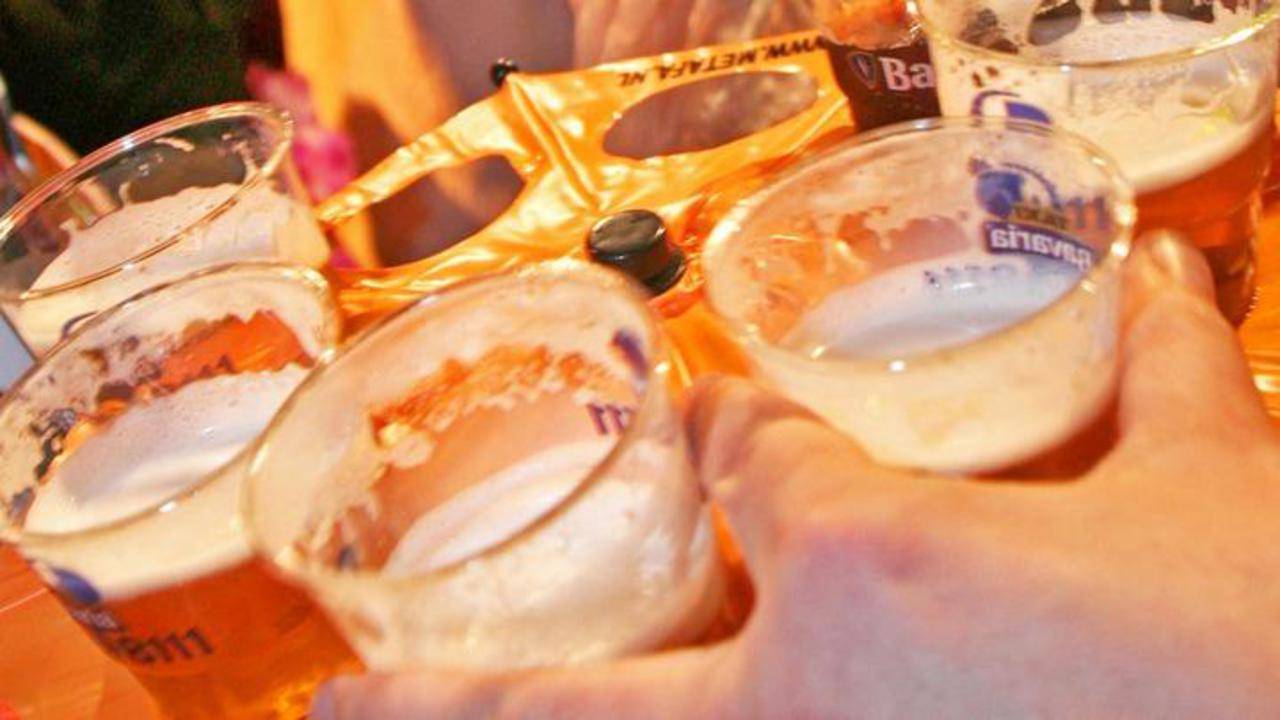
Alcohol, even in moderate amounts, introduces toxins into the body. Van der Wurff explains that alcohol is broken down relatively quickly by the liver, with approximately one to two hours required to metabolize each standard drink. However, consuming a large quantity of alcohol in a short period can overwhelm the liver’s capacity, leading to the accumulation of these toxins and the resulting symptoms of a hangover, such as headache and nausea. She also points out that heavy beer consumption is more detrimental than consuming one glass of alcohol daily over four days, suggesting that the pattern of consumption is a critical factor. According to research, consuming twenty drinks in a short timeframe can cause damage to the brain and liver and increase the long-term risk of cancer. While a few days of heavy drinking during Carnival may not cause lasting damage, minimizing the risk is always advisable.
The dietary indulgences of Carnival – fries, croquettes, and other fried snacks – also contribute to the physical strain. While occasional unhealthy eating is not inherently harmful, consistently prioritizing a healthy diet is crucial for overall well-being. Van der Wurff even suggests that a period of fasting after Carnival could be beneficial, promoting detoxification and overall health. However, it’s significant to approach fasting with caution and consult with a healthcare professional before making significant dietary changes.
Recovery Strategies: Rebalancing the Body
The recovery process begins with rehydration. Drinking at least two liters of water throughout the day is essential to restore fluid and electrolyte balance. Electrolyte-rich beverages, coconut water, or even water with a pinch of salt can further aid in rehydration. Green tea and ginger tea are also beneficial, offering detoxifying properties and a boost to the immune system. Prioritizing hydration is a fundamental step in alleviating the symptoms of dehydration caused by alcohol and supporting the body’s natural detoxification processes.
Alongside rehydration, a return to a nutrient-rich diet is paramount. Focusing on protein sources like chicken, fish, or eggs provides the building blocks for tissue repair. Incorporating healthy fats, such as those found in avocados, nuts, and olive oil, can help reduce inflammation. Fruits and vegetables are also crucial, with bananas providing potassium and leafy greens offering essential vitamins and minerals. Supplementation with vitamins B12, C, and magnesium may also be considered to boost metabolism and support immune function. However, individuals experiencing a hangover should avoid acidic fruits, as they can further irritate the stomach.
Beyond Physical Recovery: The Risk of Infection
Carnival celebrations often coincide with peak seasons for both influenza and viral gastroenteritis (often referred to as the “stomach flu”). Jean-Luc Murk, a virologist at the Elisabeth-Tweesteden Ziekenhuis in Tilburg, notes that the combination of crowded environments, close contact, reduced immunity due to alcohol consumption, and lack of sleep creates an ideal environment for the spread of viruses. According to Murk, contracting an infection during Carnival can prolong the recovery period for days or even weeks.
While the physical effects of Carnival are significant, it’s important to acknowledge the social benefits. Van der Wurff emphasizes that Carnival is a highly social event, and social connections are vital for mental and emotional well-being. While the festivities may not be ideal for physical health, the positive impact on social connections should not be overlooked. Finding a balance between enjoying the celebrations and prioritizing health is key.
Key Takeaways
- Rehydrate aggressively: Drink at least two liters of water daily, supplemented with electrolytes.
- Prioritize nutrient-rich foods: Focus on protein, healthy fats, fruits, and vegetables.
- Be mindful of infection risk: Carnival falls during peak flu and virus seasons, so practice good hygiene.
- Allow for adequate rest: Prioritize sleep to allow your body to recover.
The recovery timeline following Carnival varies depending on individual factors such as age, overall health, and the extent of indulgence. While most individuals will experience a noticeable improvement within a few days with proper hydration and nutrition, the risk of contracting an infection can significantly prolong the recovery period. Responsible celebration and a proactive approach to post-Carnival recovery are essential for minimizing the physical toll and returning to optimal health.
As the Carnival season concludes, health officials will continue to monitor influenza and viral activity levels. Individuals experiencing persistent symptoms should consult with a healthcare professional for appropriate diagnosis and treatment. Staying informed about local health advisories and practicing preventative measures, such as vaccination, remains crucial for protecting public health.
What are your experiences with post-Carnival recovery? Share your tips and insights in the comments below, and don’t forget to share this article with friends and family to help them navigate the recovery process!
Worth a look