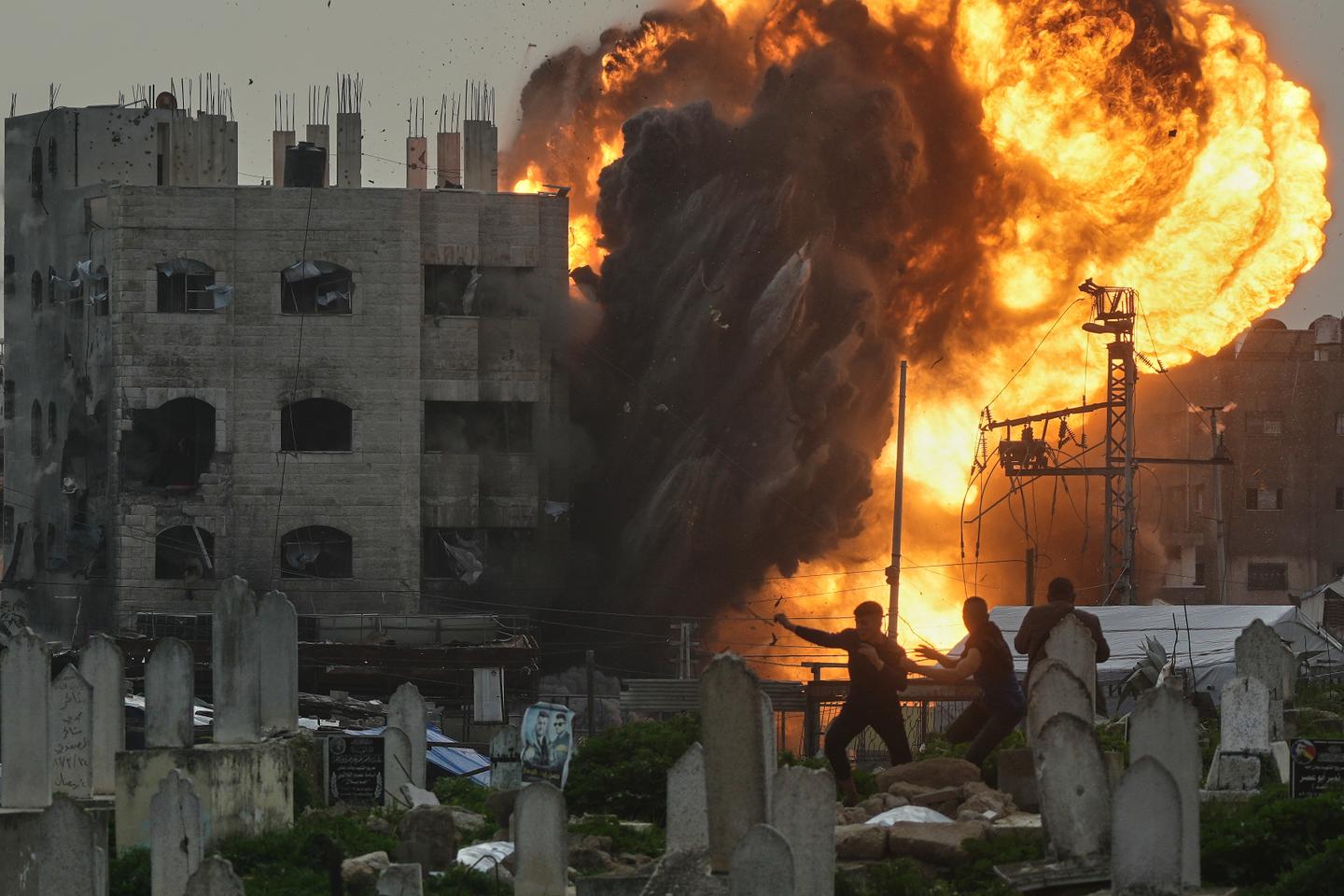
The true scale of mortality in Gaza may be significantly underestimated by local authorities, according to a groundbreaking study published this week in The Lancet Global Health. Researchers estimate that official death tolls, already tragically high, may be missing as much as 35-40% of actual fatalities, particularly when accounting for indirect deaths caused by the conflict. This finding raises serious concerns about the accuracy of reporting amidst the ongoing crisis and highlights the immense challenges in documenting loss of life in a war zone.
Since the October 7, 2023, attacks by Hamas on Israel and the subsequent military response, Gaza has been gripped by a humanitarian catastrophe. The Hamas incursion resulted in approximately 1,200 deaths in Israel, and the ensuing conflict has devastated the Gaza Strip. While the Hamas-controlled Gaza Health Ministry has consistently provided figures on Palestinian deaths, questions have been raised about their completeness. The latest research, conducted by an independent team, suggests these concerns are well-founded, pointing to systemic underreporting due to the sheer chaos, destruction, and breakdown of civil infrastructure.
The study, published on February 18, 2026, details how the collapse of essential services, the overwhelming number of casualties, and the difficulties in accessing conflict zones have all contributed to the undercount. Researchers found that identifying bodies amidst the rubble, particularly in areas heavily bombarded like Zeitoun, has proven exceptionally difficult. The deaths of entire families often go unrecorded, as there are no surviving individuals to report the loss. This is particularly acute in areas where documentation systems have been destroyed or are non-functional.
The Challenges of Counting the Dead in a Conflict Zone
The Gaza Strip, a densely populated territory, has faced repeated cycles of violence. The current conflict, though, has been particularly devastating in its scope and intensity. The Israel Defense Forces (IDF) launched a large-scale military operation in Gaza in response to the October 7th attacks, focusing on dismantling Hamas infrastructure and neutralizing its fighters. Zeitoun, a neighborhood on the outskirts of Gaza City, has been a focal point of these operations, having been targeted by Israeli forces on at least six previous occasions, including operations in August 2025 and February 2024, as reported by The Times of Israel. Each incursion aims to dismantle Hamas strongholds, but the repeated cycles of destruction contribute to the difficulties in accurately assessing the human cost.
The IDF has stated its objective is to destroy Hamas’s ability to operate, focusing on tunnels and buildings used by the organization. In September 2025, IDF forces demolished a Hamas tunnel network and command center in Zeitoun, according to Israel Hayom. However, the intensity of the fighting and the resulting damage to infrastructure have created a situation where accurate record-keeping is nearly impossible. The Gaza Health Ministry, while providing regular updates, has faced scrutiny regarding the reliability of its data, particularly given its affiliation with Hamas. The new study in The Lancet Global Health provides independent verification of the concerns surrounding the completeness of these figures.
Understanding the Scope of Underreporting
The researchers behind the Lancet study emphasize the distinction between direct and indirect mortality. Direct mortality refers to deaths caused by violence – airstrikes, shelling, and gunfire. Indirect mortality encompasses deaths resulting from the collapse of healthcare systems, lack of access to essential medicines, malnutrition, and the spread of infectious diseases. The study estimates that the underreporting is approximately 35% for direct deaths, but rises to 40% when indirect deaths are factored in. This suggests that the true death toll is considerably higher than officially reported numbers.
The study’s findings align with previous analyses that have highlighted the challenges of accurately assessing mortality in conflict zones. The breakdown of civil administration, the displacement of populations, and the deliberate targeting of infrastructure all contribute to the difficulty of collecting reliable data. The researchers acknowledge the limitations of their study, but argue that it provides the most comprehensive assessment to date of the extent of underreporting in Gaza. They call for increased international efforts to support accurate data collection and to ensure accountability for all deaths resulting from the conflict.
Recent Developments and Ongoing Concerns
Recent reports indicate continued military activity in Gaza, despite ongoing ceasefire negotiations. On February 6, 2026, the Zeitoun neighborhood was reportedly bombarded by Israeli forces, as documented by Agence France-Presse. The IDF launched targeted strikes against senior Hamas commanders in Gaza on November 19, 2025, eliminating Imad al-Salim, the commander of the Zeitoun Battalion, and his deputy, according to JFeed. These actions underscore the continued volatility of the situation and the ongoing risk to civilian lives. The IDF stated these strikes were in response to a breach of the ceasefire by Hamas operatives firing near Khan Younis.
The ongoing conflict has also raised concerns about the long-term health consequences for the population of Gaza. The destruction of healthcare facilities, the shortage of medical supplies, and the widespread malnutrition are all contributing to a deterioration of public health. The World Health Organization has warned of an imminent famine in Gaza, and international aid organizations are struggling to provide adequate assistance. The underreporting of deaths, coupled with the deteriorating health situation, paints a grim picture of the humanitarian crisis unfolding in the region.
Key Takeaways
- A new study in The Lancet Global Health estimates that official death tolls in Gaza may underestimate the true number of fatalities by 35-40%.
- The underreporting is attributed to the chaos of the conflict, difficulties in identifying bodies, and the lack of documentation for deaths of entire families.
- The study distinguishes between direct and indirect mortality, finding that indirect deaths (due to disease, malnutrition, and lack of healthcare) are significantly underreported.
- Recent military activity continues to pose a threat to civilian lives and exacerbate the humanitarian crisis in Gaza.
The situation in Gaza remains deeply concerning. Accurate and transparent reporting of casualties is crucial for ensuring accountability and for providing effective humanitarian assistance. The findings of this study underscore the urgent need for increased international efforts to protect civilians, support healthcare systems, and document the full extent of the human cost of this conflict. Further investigation and independent verification of mortality data are essential to ensure a complete and accurate understanding of the crisis.
As ceasefire negotiations continue, the international community must prioritize the protection of civilians and the delivery of essential aid to Gaza. The long-term consequences of the conflict will be felt for generations to come, and a concerted effort is needed to address the humanitarian needs of the population and to rebuild the shattered infrastructure. We encourage readers to share this information and to engage in constructive dialogue about the challenges facing Gaza.