Rescuers Mobilize After Deadly Avalanche Strikes Near Lake Tahoe
A harrowing rescue operation unfolded near Lake Tahoe, California, this week following a devastating avalanche that claimed the lives of at least eight skiers, with one still missing as of Thursday. The incident, which occurred on Wednesday, triggered a massive response from local ski resorts and emergency services, highlighting the inherent risks of backcountry skiing and snowboarding, even near established areas. The speed and coordination of the rescue efforts were critical, but the powerful forces of nature proved fatal for several individuals caught in the slide.
The avalanche struck a group of skiers in an area off the side of Highway 89, near the Boreal Mountain Ski Resort. The area, already impacted by severe winter weather, presented significant challenges to rescuers. Initial reports indicated that six skiers were rescued, but the discovery of eight fatalities cast a somber shadow over the operation. The search for the remaining skier continues, hampered by ongoing hazardous conditions and the sheer volume of snow. This tragedy underscores the importance of avalanche safety awareness and preparedness for anyone venturing into mountainous terrain during winter months.
Rapid Response from Nearby Resorts
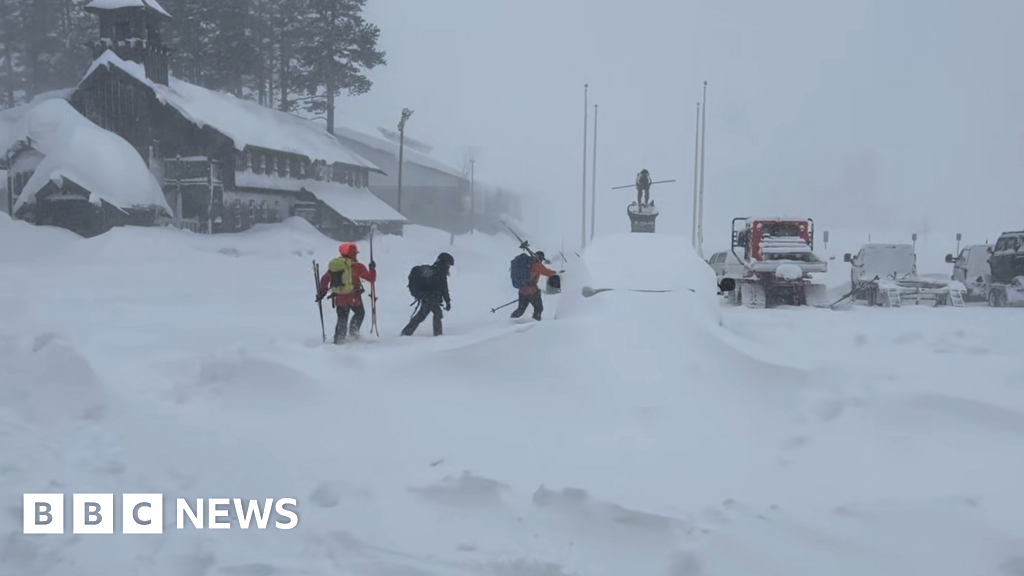
Despite being closed due to the inclement weather, Boreal Mountain Ski Resort immediately mobilized its rescue teams to assist those caught in the avalanche. According to reports, the skiers were located directly across the highway from the resort. Tahoe Donner’s Alder Creek Adventure Center also dispatched teams to aid in the search and rescue efforts, demonstrating a collaborative spirit amongst the local ski community. The resorts utilized specialized equipment, including snow-cats – manned vehicles equipped with treads designed to navigate deep snow – to reach the affected area and transport rescuers and equipment. These snow-cats, typically used for grooming ski runs, proved invaluable in accessing the avalanche site.
The use of snow-cats was crucial in navigating the treacherous terrain. These vehicles allow rescue personnel to traverse deep snowdrifts that would otherwise be impassable, enabling them to reach victims quickly and efficiently. The swift deployment of these resources, combined with the expertise of the rescue teams, played a vital role in locating and extracting the initial survivors. Although, the scale of the avalanche and the challenging conditions significantly complicated the search for those still buried.
Avalanche Conditions and Safety Concerns
The avalanche occurred amidst a period of intense winter storms that have blanketed the Sierra Nevada region with heavy snowfall. The conditions created a heightened risk of avalanches, particularly in backcountry areas. The Sierra Avalanche Center had issued warnings about dangerous avalanche conditions prior to the incident, advising skiers and snowboarders to exercise extreme caution. The San Francisco Chronicle reported on the dangerous conditions.
Avalanches are a serious hazard in mountainous regions, and understanding the factors that contribute to their formation is crucial for safety. These factors include recent snowfall, steep slopes, temperature fluctuations, and the presence of weak layers within the snowpack. Backcountry skiers and snowboarders are particularly vulnerable, as they often venture into areas that are not patrolled or avalanche-controlled. Proper training, equipment (including avalanche transceivers, shovels, and probes), and careful route planning are essential for mitigating the risks associated with backcountry travel.
The Ongoing Search and Rescue Operation
As of Thursday afternoon, the search for the final missing skier continues. Rescue teams are facing significant challenges, including unstable snow conditions and the risk of further avalanches. The operation is being coordinated by local authorities, with support from specialized avalanche rescue teams and volunteers. USA Today detailed how the rescue unfolded, emphasizing the difficulties faced by the teams.
The use of avalanche dogs is playing a critical role in the search, as they are able to detect the scent of buried victims. However, the dogs’ effectiveness is limited by the depth of the snow and the potential for scent dispersal due to wind and weather conditions. Rescuers are also employing ground-penetrating radar to locate potential burial sites, but the technology is not always reliable in deep snow. The ongoing search is a testament to the dedication and perseverance of the rescue teams, who are working tirelessly to bring closure to the families of those affected.
Impact and Aftermath
The avalanche has had a profound impact on the local community, leaving families and friends grieving the loss of loved ones. The incident has also prompted renewed calls for increased avalanche safety awareness and preparedness. Local authorities are urging skiers and snowboarders to heed avalanche warnings, carry appropriate safety equipment, and avoid venturing into dangerous terrain. The tragedy serves as a stark reminder of the power of nature and the importance of respecting the risks associated with winter mountain activities.
The economic impact of the avalanche is also being felt in the Lake Tahoe region, as the closure of ski resorts and the disruption of tourism activities have resulted in lost revenue. However, the community is rallying together to support the families of the victims and to ensure that the region remains a safe and welcoming destination for winter sports enthusiasts. The long-term effects of the avalanche will likely be felt for some time to come, but the community is committed to learning from this tragedy and taking steps to prevent similar incidents from occurring in the future.
Key Takeaways
- Avalanche Danger: The Sierra Nevada region experienced a period of high avalanche risk due to heavy snowfall and unstable snow conditions.
- Rapid Response: Local ski resorts, including Boreal Mountain and Tahoe Donner, quickly deployed rescue teams to assist in the search and rescue operation.
- Ongoing Search: As of Thursday, the search for one missing skier continues, hampered by challenging conditions.
- Safety Awareness: The incident underscores the importance of avalanche safety training, equipment, and careful route planning for backcountry skiers and snowboarders.
Authorities are expected to provide further updates on the search for the missing skier and the investigation into the cause of the avalanche in the coming days. The focus remains on bringing closure to the families of those affected and ensuring the safety of all who venture into the backcountry. The World Today Journal will continue to monitor the situation and provide updates as they become available.
Do you have thoughts on this tragic event? Share your condolences and safety tips in the comments below. Please also share this article to raise awareness about avalanche safety.
Related reading