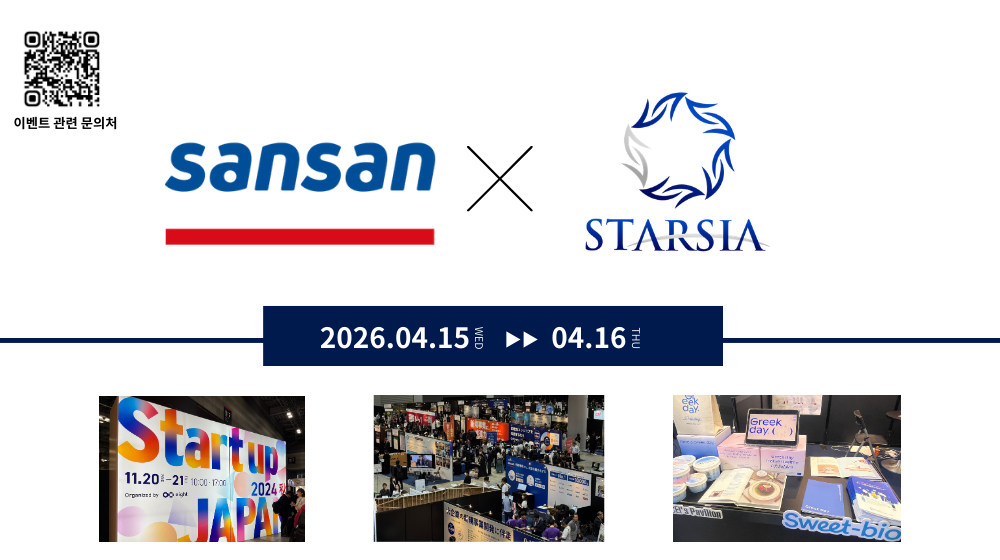
Tokyo, Japan – A significant shift is underway in Japan’s economic landscape, as the nation actively courts foreign startups, particularly those focused on artificial intelligence (AI). This move, spurred by the Japanese government’s embrace of digital transformation and a departure from its traditionally conservative business practices, is creating new opportunities for international companies, including a growing number from South Korea.
For decades, Japan has been characterized by a culture of formality and reliance on traditional methods, often symbolized by the employ of “hanko” seals for official approvals. However, recent policy changes, including the enactment of the “AI Promotion Law” in June 2023, signal a determined effort to accelerate innovation and attract global talent. This legislative push aims to foster research, development, and the practical application of AI technologies across various sectors. According to reports, the government is also actively reducing barriers to entry for overseas businesses, facilitating partnerships and market expansion for startups.
Japan’s AI Push and the Appeal for Korean Startups
The change in approach is particularly appealing to South Korean startups, who are increasingly looking to expand beyond their domestic market. The Japanese market presents a substantial opportunity, given its large population, advanced technological infrastructure, and growing demand for innovative solutions. The easing of regulations and the proactive government support are making Japan a more attractive destination for Korean entrepreneurs.
Several Korean companies are already making inroads into the Japanese market. AI semiconductor unicorn Rebellions Inc. Established a Tokyo office in March 2024, demonstrating a commitment to expanding its presence in Japan. The company is actively seeking partnerships and investment, having already secured funding from DG Daiwa Ventures (DGDV), a Japanese venture capital firm. Rebellions is currently engaged in a Proof of Concept (PoC) project with NTT Docomo Innovations, a subsidiary of NTT Docomo, aiming to validate its technology and establish a foothold in the Japanese market. The absence of strong domestic competition in the AI semiconductor space further strengthens Rebellions’ position.
Beyond the semiconductor sector, lifestyle commerce platform Bucketplace, operating the popular “Today’s House” brand, is also expanding its reach in Japan. The company initiated its Japanese market entry with a pop-up store in Shibuya, Tokyo, in September 2024, to connect directly with local consumers and gather market insights. This direct engagement strategy is crucial for understanding Japanese consumer preferences and tailoring its offerings accordingly.
The Role of Unicorn Factory’s DataLab
Navigating the complexities of the Japanese market requires comprehensive data and insights. Unicorn Factory, a South Korean startup ecosystem specialist, provides a valuable resource for companies looking to enter or expand in Japan. Its “DataLab” platform offers extensive data on startups, including detailed company information, investment trends, and market analysis. The DataLab is positioned as a key tool for understanding the dynamics of the Korean startup ecosystem and identifying potential opportunities in Japan.
Broader Trends in the Korean Startup Scene
The increasing interest in Japan reflects a broader trend of Korean “unicorns” – privately held startups valued at over 1 trillion won (approximately $760 million USD) – venturing into new markets. These companies, often specializing in advanced technologies like AI and entertainment technology, are driving innovation and economic growth in South Korea. The success of companies like Rebellions and Bucketplace is likely to encourage other Korean startups to follow suit, further strengthening economic ties between the two nations.
The shift towards AI-driven innovation is not limited to semiconductors and commerce. Korean companies are also making significant strides in areas such as robotics, biotechnology, and fintech. The government’s support for these sectors, coupled with a highly skilled workforce and a strong technological infrastructure, is creating a favorable environment for startup growth. The recent surge in investment in Korean startups, particularly those focused on AI, is a testament to the country’s growing prominence in the global technology landscape.
Challenges and Opportunities
Despite the positive outlook, Korean startups entering the Japanese market face certain challenges. Cultural differences, language barriers, and navigating the intricacies of Japanese business etiquette require careful consideration. Building strong relationships with local partners and adapting products and services to meet the specific needs of Japanese consumers are crucial for success.
However, the opportunities outweigh the challenges. The Japanese market is known for its high quality standards and discerning consumers, which can drive innovation and product improvement. The government’s commitment to digital transformation and AI development creates a fertile ground for startups offering cutting-edge solutions. The growing demand for foreign talent and the easing of immigration policies are making it easier for Korean entrepreneurs to establish and grow their businesses in Japan.
Looking Ahead
The trend of Korean startups expanding into Japan is expected to continue in the coming years. The Japanese government’s proactive policies, coupled with the growing demand for innovative technologies, are creating a favorable environment for international companies. As more Korean startups establish a presence in Japan, we can anticipate increased collaboration, knowledge sharing, and economic integration between the two nations.
The next key development to watch will be the outcomes of the PoC project between Rebellions and NTT Docomo Innovations. Successful validation of Rebellions’ AI semiconductor technology could pave the way for broader adoption in the Japanese market and solidify the company’s position as a leading player in the industry. Continued monitoring of government policies and investment trends will provide valuable insights into the evolving dynamics of the Japanese startup ecosystem.
What are your thoughts on the growing collaboration between South Korean and Japanese startups? Share your insights in the comments below, and don’t forget to share this article with your network!
Keep reading