
Swiss Hydropower Project Faces Delay as Community Resistance Mounts
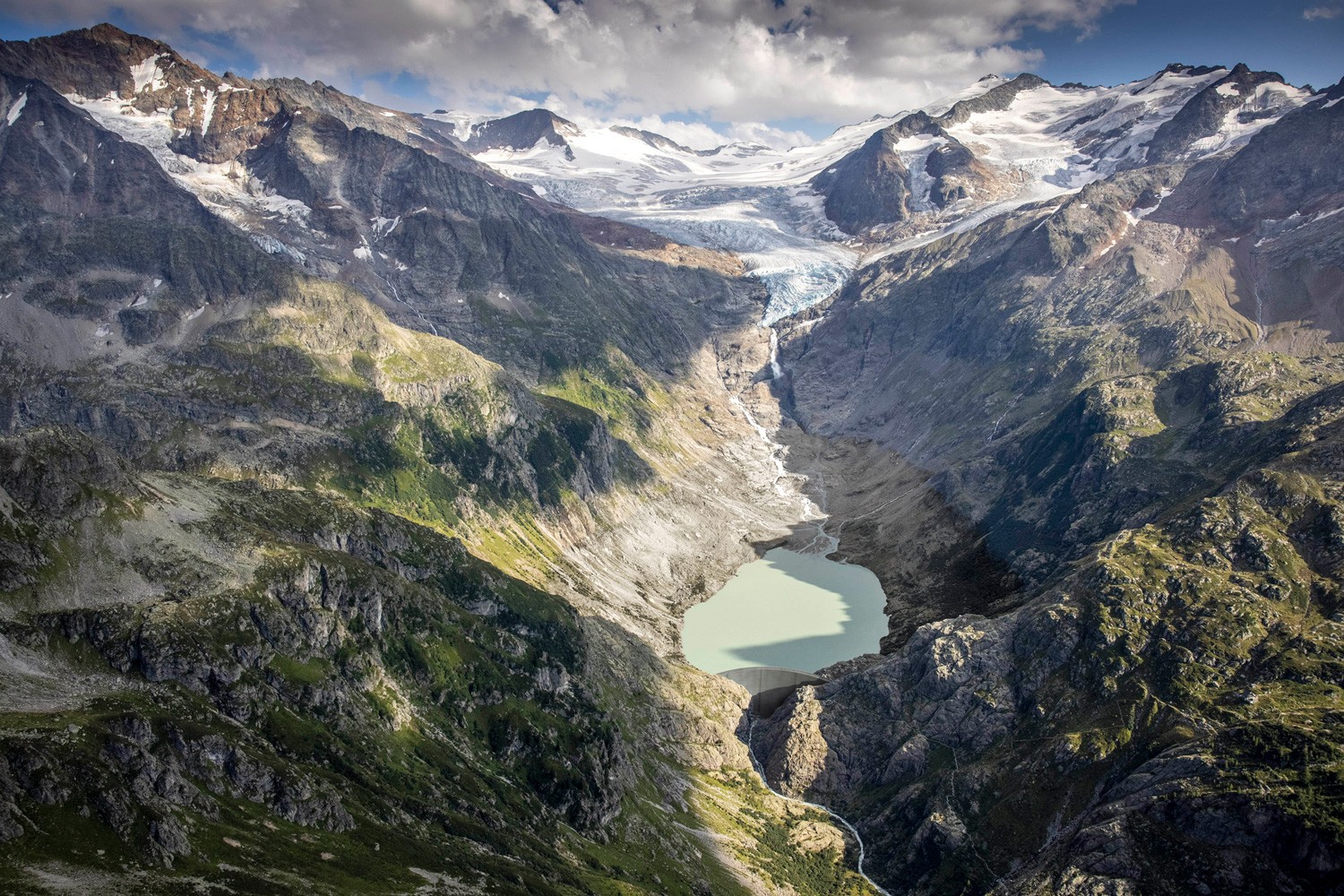
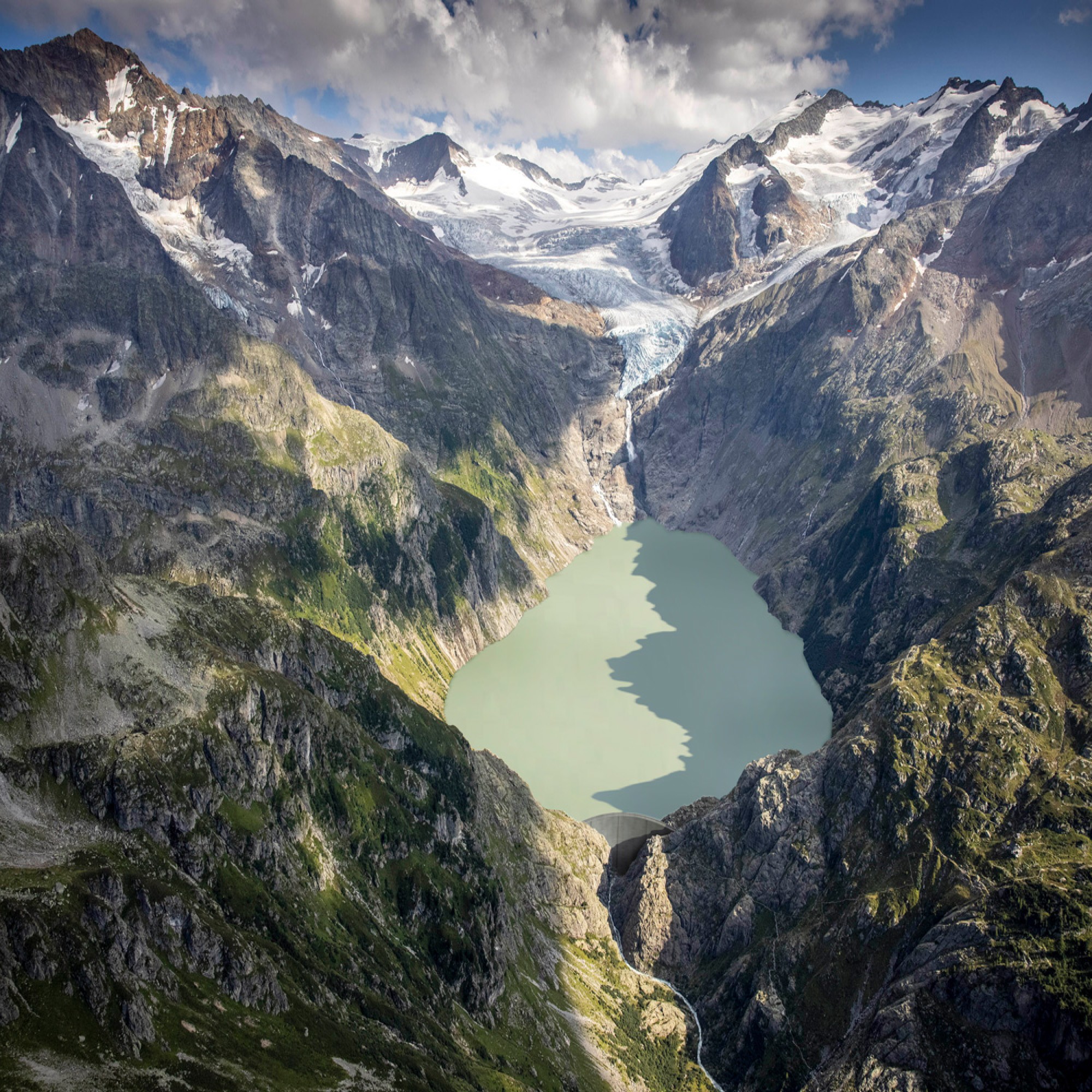
The planned Trift-Stausee hydropower project in the Swiss Alps is facing potential delays and a significant change in approach due to growing opposition from the local community of Innertkirchen. Kraftwerke Oberhasli (KWO), the company behind the project, is now considering an alternative route for accessing the reservoir, shifting away from the Gadmen valley and towards the Aaretal. This decision comes after talks with Innertkirchen stalled, stemming from disputes over land ownership and compensation. The Trift-Stausee, intended to harness the power of the Trift Glacier’s meltwater, is a key component of Switzerland’s strategy to expand its renewable energy capacity, but its future is now uncertain as KWO navigates these complex local challenges.
The Trift-Stausee project, first conceived in 2014, aims to construct a reservoir and associated power plant utilizing the water formed by the receding Trift Glacier. This initiative is not merely a regional endeavor. it’s an integral part of the Swiss Confederation’s strategic expansion of hydropower, a cornerstone of the nation’s energy policy as enshrined in the country’s Stromgesetz (Energy Law). As reported by Swissinfo.ch, the project has already secured agreements with the Canton of Bern and environmental organizations regarding mitigation measures to protect biodiversity and landscapes. But, these agreements haven’t quelled the concerns of local communities, particularly Innertkirchen.
A Dispute Over Land and Compensation
The heart of the conflict lies in a disagreement over land rights and perceived unfair treatment by the Canton of Bern. Innertkirchen residents perceive the canton has unfairly appropriated approximately 13 square kilometers of unclaimed land near the Steingletscher glacier, intending to offer it to KWO at a nominal cost as ecological compensation. This action is viewed by the community as a curtailment of their autonomy and a lack of adequate financial recompense. KWO acknowledges a “blocked dialogue” with the municipality, stating they have consistently informed the local population and adapted project plans based on expressed concerns. According to Baublatt.ch, KWO has also pledged seven million Swiss francs in voluntary social and tourism-related compensation, a proposal that was rejected by the community, leading to a breakdown in negotiations before Christmas.
Shifting the Access Route: Aaretal as an Alternative
Faced with the impasse in negotiations, KWO is now exploring an alternative access route to the reservoir. Instead of utilizing the Gadmen valley, the company is considering constructing access tunnels from the Aaretal, an uninhabited area on the opposite side of the mountain. This revised plan would extend the total length of the access tunnels by approximately 3 kilometers, reaching a total of 8 kilometers. KWO believes this approach offers greater planning certainty and logistical advantages, leveraging the existing infrastructure of the Grimselstrasse. The company emphasizes its commitment to realizing this “regionally and nationally important winter storage project,” particularly in light of Switzerland’s energy security concerns.
Potential Delays and Further Investigation
The change in plans is expected to introduce a delay of one to two years to the project timeline. KWO will now undertake ecological and geological surveys of the Aaretal area to assess potential environmental impacts and identify suitable locations for construction facilities. Notably, the company has previously utilized this area for construction projects in the 1970s and 2000s, meaning some geological data is already available. However, additional investigations are necessary to adapt the project plans to the new access route. As detailed by Grimselstrom.ch, the Trift project has been subject to extensive consultation with stakeholders since 2017, including the communities of Innertkirchen, Gadmen, and Fuhren, with compromises reached on both energy production and environmental considerations.
The Trift-Stausee project exemplifies the challenges inherent in balancing renewable energy development with local community concerns and environmental protection. The initial agreement with environmental groups, securing mitigation measures for biodiversity and landscapes, highlights the commitment to sustainability. However, the current impasse underscores the importance of inclusive dialogue and equitable compensation for affected communities. The shift to the Aaretal access route represents a significant alteration to the original plan, and its success hinges on thorough environmental assessments and continued engagement with stakeholders.
Key Takeaways
- The Trift-Stausee hydropower project is facing delays due to opposition from the municipality of Innertkirchen.
- The dispute centers on land ownership and perceived inadequate compensation offered by the Canton of Bern.
- KWO is now exploring an alternative access route via the Aaretal, which will likely add one to two years to the project timeline.
- The project remains a crucial component of Switzerland’s renewable energy strategy and efforts to enhance energy security.
KWO anticipates completing the necessary ecological and geological assessments within the next one to two years. The company will then refine the project plans and seek approvals for the revised access route. The next key milestone will be the publication of the results of these assessments, expected in late 2027. We encourage readers to share their thoughts on this evolving situation and the broader challenges of balancing energy development with local community interests in the comments below.
Worth a look