European Commission’s ‘Made in Europe’ Plan Faces Intense Lobbying, Potential Delays
Brussels is bracing for a protracted battle over the European Commission’s ambitious plan to prioritize European-made products in public procurement contracts. The proposal, dubbed “Made in Europe,” aims to bolster the bloc’s industrial base and reduce reliance on foreign competition, particularly from China and the United States. However, the initiative is encountering fierce resistance from both within the European Union and from international partners, raising concerns about protectionism and potentially disrupting established supply chains. The plan, formally known as the Industrial Accelerator Act (IAA), is currently slated for presentation on February 26th, but officials suggest another delay is increasingly likely, building on a previous postponement in November 2025.
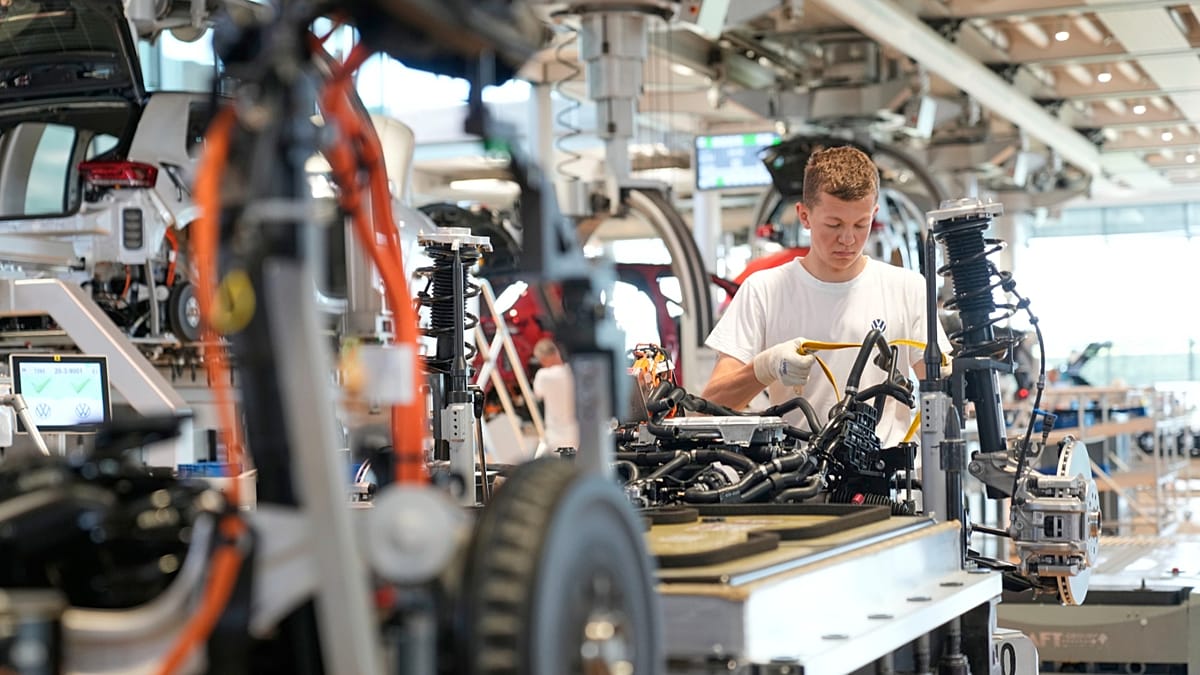
The core of the debate revolves around defining what constitutes “Made in Europe.” The European Commission envisions a system where products originating from within the EU receive preferential treatment in government contracts and support schemes. This move is intended to stimulate European manufacturing, foster innovation, and create jobs. However, the specifics of origin thresholds – the percentage of a product’s value that must originate within the EU to qualify – are proving contentious. Leaked drafts of the IAA reveal proposed thresholds of 70% for electric vehicles (EVs), 25% for aluminum, and 30% for plastics used in construction materials like windows, and doors. These figures have sparked alarm among member states wary of excluding valuable trade partners and hindering access to essential technologies.
The push for a “European preference” comes amid growing anxieties about economic security and strategic autonomy. The COVID-19 pandemic exposed vulnerabilities in European supply chains, while geopolitical tensions have heightened concerns about dependence on potentially unreliable suppliers. The European Commission, under President Ursula von der Leyen, has repeatedly emphasized the need to “de-risk” the EU economy and strengthen its industrial competitiveness. As reported by Euronews, the strategy is a direct response to perceived unfair competition from state-subsidized industries in China and the United States.
Divisions Within the EU
The proposed IAA is far from universally supported within the EU. Nordic and Baltic states, known for their open economies and strong ties to global markets, have voiced strong reservations. These countries fear that strict “Made in Europe” requirements could deter foreign investment, limit access to cutting-edge technologies, and ultimately harm their own competitiveness. They argue that a closed-off approach could stifle innovation and hinder the development of key industries. These concerns reflect a broader debate within the EU about the balance between protecting domestic industries and maintaining an open, globally integrated economy.
Germany, a major industrial power, appears to be advocating for a more flexible approach. According to leaks reported by Euronews, Berlin favors a European preference that extends to “like-minded partners” – countries with reciprocal procurement commitments and those contributing to the EU’s “competitiveness, resilience and economic security objectives.” This suggests a willingness to consider a broader definition of “European” that could include countries like the United Kingdom, Canada, or Japan, provided they meet certain criteria. This position reflects Germany’s strong trade relationships and its reliance on global supply chains.
France, however, remains a staunch champion of a more assertive “Made in Europe” strategy. Paris believes the concept has gained sufficient traction in Brussels to become a reality and that the current debate centers on implementation details. EU industry chief Stéphane Séjourné, overseeing the file, acknowledged on Tuesday that the European preference “entails quite a change of Europe’s economic doctrine,” but expressed confidence that a “common and smart version” can be achieved. Euronews reported that Paris views the IAA as a crucial step towards strengthening the EU’s industrial base and reducing its dependence on foreign suppliers.
UK Concerns and Transatlantic Implications
Beyond the internal EU divisions, the “Made in Europe” plan is similarly raising concerns among key trading partners, including the United Kingdom. British officials have stressed the deep economic ties between the EU and the UK, arguing that disrupting these relationships would be counterproductive. “It’s not the moment to mess with what is already working,” one official told Euronews. The EU remains the largest export market for British cars, and numerous European manufacturers maintain production facilities within the UK. In 2024, the UK was the EU’s second-largest export destination after the United States.
UK Chancellor Rachel Reeves recently highlighted the significance of the EU market for British trade, stating that “almost half of our trade is with the European Union. We trade almost as much with the EU as the whole of the rest of the world combined.” British sources also argue that London’s robust capital markets could provide crucial investment for revitalizing European industry, but only if the EU maintains an open market. The UK’s concerns underscore the potential for the “Made in Europe” plan to create friction in transatlantic trade relations and complicate efforts to foster closer economic cooperation.
Internal Commission Pushback and Next Steps
The European Commission’s internal deliberations are also marked by disagreement. The Trade Directorate-General, traditionally a staunch advocate for free and open markets, is reportedly pushing back against the more protectionist elements of the IAA. This internal resistance highlights the fundamental tension between the desire to protect European industries and the commitment to upholding the principles of free trade. The Commission is currently weighing its options and aiming to present a revised proposal ahead of the EU summit focused on competitiveness in March 2026.
The delay in presenting the IAA reflects the complexity of the issue and the depth of the divisions within the EU. The Commission faces the challenge of balancing the competing interests of member states, addressing concerns from trading partners, and navigating internal opposition. The outcome of this debate will have significant implications for the future of European industry, trade relations, and the EU’s overall economic strategy. The IAA’s strategic sectors – chemicals, automotive, artificial intelligence (AI), and space – represent key areas of future growth and innovation, making the stakes particularly high.
Key Takeaways
- The European Commission’s “Made in Europe” plan aims to prioritize European-made products in public procurement.
- The proposal faces strong opposition from within the EU, particularly from Nordic and Baltic states.
- The UK has expressed concerns about the potential for protectionism and disruption to trade relations.
- The Industrial Accelerator Act (IAA), defining the plan’s specifics, is likely to be delayed again.
- Germany is advocating for a more flexible approach that includes “like-minded partners.”
The next crucial step will be the Commission’s presentation of a revised IAA proposal, anticipated before the March 2026 EU summit on competitiveness. Stakeholders will be closely watching for indications of how the Commission has addressed the concerns raised by member states and trading partners. The debate over “Made in Europe” is far from over, and its outcome will shape the future of European industry for years to come. Share your thoughts on this evolving situation in the comments below.