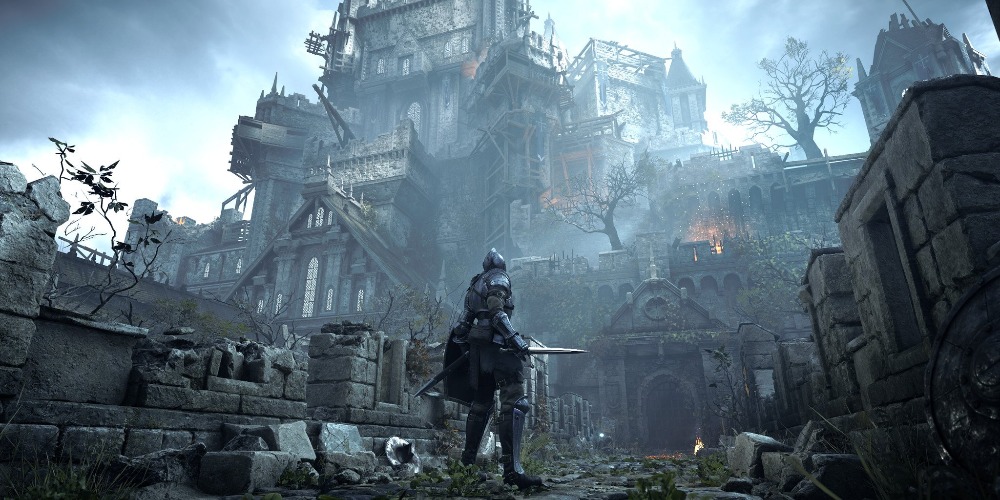
San Francisco, CA – In a significant shift for the video game industry, Sony has announced the closure of Bluepoint Games, the acclaimed studio responsible for critically lauded remakes of titles like Demon’s Souls and Shadow of the Colossus. The decision, confirmed on February 19, 2026, impacts approximately 70 employees and marks the end of an era for a studio widely respected for its technical prowess and dedication to revitalizing classic PlayStation experiences.
The news, initially reported by Bloomberg, comes five years after Sony acquired Bluepoint Games in 2021. IGN reports that despite the acquisition, Bluepoint did not release a new game, instead focusing on co-development work for God of War Ragnarök. The studio’s trajectory took an unexpected turn when a live-service God of War project, in development since 2023, was canceled in early 2025, leaving the studio searching for a new direction.
A Legacy of Remakes and Technical Excellence
Founded in 2006 by former Retro Studios employees, Bluepoint Games quickly established itself as a leader in remastering and remaking PlayStation titles. The studio’s early work included collections like the God of War Collection, Metal Gear Solid HD Collection, and Uncharted: The Nathan Drake Collection, bringing beloved games to new generations of players. However, it was the 2018 remake of Shadow of the Colossus and the 2020 remake of Demon’s Souls that cemented Bluepoint’s reputation for pushing the boundaries of visual fidelity and gameplay refinement. These remakes weren’t simply updated graphics; they were comprehensive reimagining of classic titles, earning widespread critical acclaim and commercial success.
The success of these remakes fueled speculation about Bluepoint’s next project, with many fans hoping for a remake of the notoriously difficult action RPG, Bloodborne. Kotaku notes that this desire was widespread within the PlayStation community. However, Sony instead directed Bluepoint towards developing a live-service game within the God of War universe, a departure from the studio’s established strengths. The cancellation of that project ultimately proved fatal for the studio.
Industry Shifts and Sony’s Restructuring
The closure of Bluepoint Games reflects a broader trend within the gaming industry, characterized by increasing development costs and a shift towards live-service models. PlayStation Studios head Hermen Hulst, in an internal memo reported by multiple sources, cited a “challenging industry environment” as a key factor in the decision. DualShockers highlights that Hulst emphasized the need for creativity and innovation, but the closure suggests a strategic realignment within Sony’s first-party studios.
Sony’s statement acknowledged Bluepoint Games’ “technical expertise” and thanked the team for their contributions to the PlayStation community. “Bluepoint Games is an incredibly talented team and their technical expertise has delivered exceptional experiences for the PlayStation community,” a PlayStation spokesperson told Bloomberg. However, the abrupt nature of the closure, and the lack of a clear successor project, has left many industry observers questioning Sony’s long-term strategy.
The Rise and Fall of Live-Service Ambitions
The canceled God of War live-service project appears to have been a pivotal moment for Bluepoint Games. Live-service games, designed to generate ongoing revenue through in-game purchases and subscriptions, have become increasingly popular in the gaming industry. However, they also require significant investment and a sustained commitment to content updates and community management. The cancellation of the project, after considerable development time, left Bluepoint in a precarious position, unable to secure funding for a new initiative.
This situation underscores the challenges faced by established studios adapting to the demands of the live-service model. Bluepoint’s expertise lay in crafting polished, single-player experiences, and the transition to a constantly evolving online game proved to be a difficult one. The studio spent the latter part of 2025 pitching new projects, but ultimately failed to secure approval from Sony.
Impact on the Gaming Community and Industry Talent
The loss of Bluepoint Games represents a significant blow to the gaming community, particularly for fans of meticulously crafted remakes and visually stunning experiences. The studio’s dedication to preserving and enhancing classic titles resonated with players who value quality and attention to detail. The closure also raises concerns about the future of the remake genre, as one of its leading proponents is no longer in operation.
The approximately 70 employees affected by the closure now face an uncertain future. The gaming industry is currently experiencing a period of consolidation and restructuring, with several high-profile studios undergoing layoffs or closures. The talent pool released from Bluepoint Games is likely to be highly sought after, but the competition for jobs remains fierce.
Looking Ahead: Sony’s Future Plans
While the closure of Bluepoint Games is undoubtedly a setback, Sony remains committed to delivering high-quality gaming experiences. The company continues to invest in its other first-party studios, including Naughty Dog, Insomniac Games, and Santa Monica Studio. The future of PlayStation’s remake strategy remains unclear, but Sony has demonstrated a willingness to revisit its classic titles, as evidenced by the recent success of the Final Fantasy VII Rebirth, published by Sony Interactive Entertainment.
The company’s focus appears to be shifting towards larger-scale, live-service projects, but the failure of the God of War live-service game may prompt a reassessment of that strategy. Sony’s next move will be closely watched by industry analysts and gamers alike.
The official closure of Bluepoint Games is scheduled for next month, March 2026. Further updates regarding Sony’s restructuring plans and future projects are expected to be announced in the coming weeks.
What are your thoughts on the closure of Bluepoint Games? Share your opinions and memories of their work in the comments below.
Worth a look