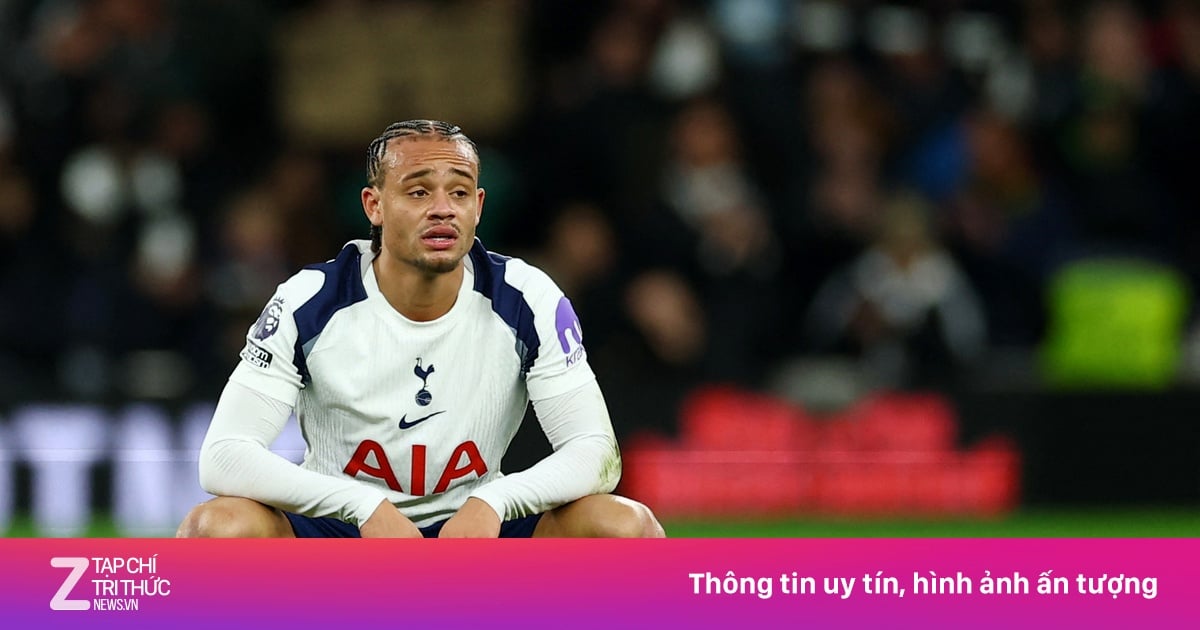
Tottenham Hotspur Football Club is facing a period of significant turbulence, extending beyond on-field struggles to impact its financial stability and commercial partnerships. The north London club, currently in its 144th season and 34th consecutive year in the Premier League, is grappling with a decline in performance, managerial upheaval and a growing sense of unease among supporters – factors that are now threatening its revenue streams. The situation demands scrutiny, not just for Tottenham fans, but for observers of the Premier League’s evolving landscape.
The club’s recent history has been marked by inconsistency. Despite winning the UEFA Europa League final 1-0 against Manchester United in the previous season, securing qualifications for both the UEFA Champions League and the UEFA Super Cup, domestic form has been deeply concerning. The 2025-26 season saw a managerial change mid-season, with Igor Tudor replacing Thomas Frank in February, a clear indication of the pressure building within the club. This instability, coupled with a disappointing 16th-place finish in the Premier League last season, is now reverberating through the club’s commercial operations.
Sponsor Concerns and Potential Revenue Loss
Reports indicate that Tottenham is at risk of losing key sponsors due to the club’s poor performance and the increasingly negative atmosphere surrounding the team. A significant partner, generating millions of pounds in revenue annually, is reportedly set to terminate its contract at the end of the 2025-26 season, irrespective of the league in which Tottenham finds itself. This decision is directly linked to the club’s prolonged underperformance and the perceived lack of a clear direction. The source of this information, while initially reported by Vietnamese media outlet Znews, aligns with broader concerns about the club’s trajectory.
The dissatisfaction extends beyond mere league position. Sponsors are reportedly frustrated by what they perceive as a lack of transparency and accountability from the club’s leadership regarding the team’s struggles. Instead of addressing domestic shortcomings, the club has seemingly prioritized its participation in the UEFA Europa League, a competition that, according to sources, does not align with the global ambitions of its sponsors. This perceived misallocation of focus is fueling anxieties about the club’s long-term viability as a valuable commercial partner.
On-Field Struggles and Transfer Market Disappointments
Tottenham’s on-field performance has undoubtedly contributed to the current crisis. The team suffered a significant defeat to Arsenal, losing 4-1 in November 2025, and a 3-0 loss to Nottingham Forest in December 2025, highlighting a clear lack of consistency. According to data as of February 10, 2026, the club’s highest home attendance this season was 61,337 against Manchester City, but even that figure doesn’t mask the lower attendances for less high-profile matches, such as the 42,473 who attended the EFL Cup match against Doncaster Rovers. This disparity in attendance figures underscores the impact of performance on fan engagement.
The club’s transfer strategy has also reach under scrutiny. Tottenham has been criticized for falling behind the “Big Six” clubs in the Premier League in securing key transfer targets. The departure of captain Son Heung-min to Los Angeles FC after ten years at the club represents a significant loss of leadership and talent. While the club has brought in fresh players like Mohammed Kudus from West Ham and Kota Takai from Kawasaki Frontale, and is integrating Luka Vuskovic after a two-year wait, these acquisitions have yet to translate into consistent on-field success. The club’s ability to attract and retain top talent is crucial for its long-term competitiveness, and recent performance suggests a growing gap between Tottenham and its rivals.
Leadership Changes and Internal Discontent
The managerial changes, with Thomas Frank initially appointed before being replaced by Igor Tudor, reflect the pressure cooker environment at Tottenham Hotspur Stadium. The departure of long-serving chairman Daniel Levy in September 2025, replaced initially by an interim chairman Peter Charrington, further adds to the sense of instability. Reports suggest that these changes have left some funders feeling excluded from vital decisions, raising concerns about the club’s governance and strategic direction.
The club’s financial situation is further complicated by the inclusion of buyout and annual renegotiation clauses in many sponsorship contracts. This means that Tottenham could face further revenue losses if its performance does not improve. The combination of on-field struggles, leadership changes, and sponsor concerns creates a challenging environment for the club, potentially jeopardizing its financial stability and its position within the Premier League.
The Impact of the Europa League
While Tottenham’s success in the UEFA Europa League provided a pathway to the Champions League and the Super Cup, the focus on European competition appears to be a point of contention with sponsors. The perception is that prioritizing the Europa League, while commendable, does not address the fundamental issues plaguing the club’s domestic performance. Sponsors are primarily interested in associating themselves with a successful and globally recognized Premier League brand, and Tottenham’s current trajectory threatens that association.
Looking Ahead: Challenges and Potential Solutions
The immediate future for Tottenham Hotspur appears fraught with challenges. Igor Tudor faces the daunting task of stabilizing the team and improving its Premier League form. The club must also address the concerns of its sponsors and demonstrate a clear commitment to long-term success. Rebuilding trust with fans, who have grown increasingly disillusioned with the team’s performance, is also paramount.
The club’s ability to navigate these challenges will depend on a number of factors, including its transfer strategy, its managerial stability, and its ability to foster a positive and cohesive environment both on and off the pitch. The upcoming transfer windows will be crucial, as Tottenham seeks to strengthen its squad and address its weaknesses. A clear and consistent vision for the future, coupled with a commitment to transparency and accountability, will be essential for restoring confidence in the club.
The situation at Tottenham serves as a cautionary tale for other Premier League clubs. It highlights the importance of maintaining a balance between European ambition and domestic success, and the need to prioritize the concerns of sponsors and fans. The club’s current predicament underscores the fragility of success in modern football and the importance of sound financial management and strategic planning.
The next key date for Tottenham Hotspur will be the end of the 2025-26 season, when the fate of several key sponsorship deals will be determined. The club’s performance in the remaining months of the season will undoubtedly play a significant role in those negotiations. Readers are encouraged to share their thoughts and perspectives on Tottenham’s current situation in the comments section below.
Worth a look