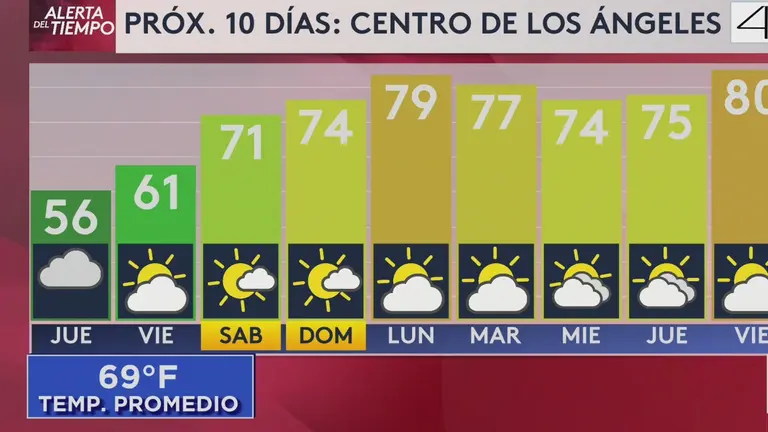
Los Angeles residents braced for potentially hazardous conditions on February 19, 2026, as a strong wind advisory was issued for the region. While the forecast predicted a relatively mild temperature of 56°F (13°C), the National Weather Service warned of gusts that could create dangerous travel conditions and pose a risk to vulnerable structures. The advisory prompted city officials to review emergency preparedness plans and urge residents to secure outdoor objects.
The wind event comes at a time of heightened concern for Los Angeles County, as the region continues to grapple with a complex interplay of environmental and socioeconomic challenges. Recent reports highlight a growing housing crisis, with thousands of families facing potential displacement due to changes in federal housing regulations. This situation is compounded by ongoing efforts to address the city’s significant homeless population, a challenge that has drawn scrutiny from both the public and the judiciary.
Wind Advisory and Potential Impacts
The National Weather Service’s wind advisory, effective throughout February 19th, cautioned residents of sustained winds and stronger gusts. While the exact wind speeds varied across different parts of the Los Angeles basin, forecasters warned that gusts could reach speeds capable of downing tree branches, causing power outages, and making driving difficult, particularly for high-profile vehicles. The advisory specifically mentioned potential hazards for motorists on major freeways and coastal areas.
City officials responded to the advisory by activating emergency response teams and deploying resources to monitor conditions and address any potential incidents. The Los Angeles Department of Water and Power (LADWP) prepared for possible power outages, and residents were advised to charge electronic devices and have flashlights readily available. The city too urged residents to secure loose outdoor items, such as patio furniture, trash cans, and holiday decorations, to prevent them from becoming projectiles in the wind.
Federal Funding Cuts and the Housing Crisis
The wind advisory arrived amidst growing concerns over the impact of recent federal funding cuts to cities deemed “sanctuaries” for undocumented immigrants. As of February 1, 2026, President Donald Trump’s administration began suspending federal payments to cities and states that limit cooperation with federal immigration authorities, according to a report by Univision. California, New York, and Illinois are expected to be the most significantly affected states, with major cities like Los Angeles, San Francisco, New York City, and Chicago facing substantial financial losses.
In Los Angeles, these cuts could jeopardize funding for critical infrastructure projects and social services. The city relies heavily on federal subsidies for various municipal programs, and a reduction in funding could have far-reaching consequences for residents. The potential loss of funds impacts programs related to housing, transportation, and emergency response, exacerbating existing challenges in these areas.
Legal Battles Over Homelessness Response
Adding to the city’s challenges, the administration of Los Angeles Mayor Karen Bass is currently engaged in a legal dispute over the city’s response to the growing homelessness crisis. According to reporting from the World Socialist Website, the Bass administration is seeking to remove federal judicial oversight of the city’s efforts to provide shelter and housing to the unhoused population. The city argues that Judge David O. Carter, who has been overseeing the implementation of a court-ordered agreement, has overstepped his authority.
The dispute stems from a settlement reached after years of litigation documenting the city’s failure to adequately address the needs of its growing homeless population. Under the terms of the agreement, Los Angeles committed to creating tens of thousands of housing units and meeting specific deadlines for progress. Judge Carter was assigned to monitor compliance, review city reports, and ensure that commitments were fulfilled. However, city officials now claim that the judge has exceeded his jurisdiction and interfered with the city’s ability to implement its plans.
New Resources for Preventing Evictions
Despite these challenges, the city is also taking steps to address the immediate needs of residents facing housing insecurity. In August 2025, Mayor Bass announced the opening of a new office dedicated to eviction prevention in South Los Angeles. The office, operated by The Mayor’s Fund, a non-profit organization, aims to connect residents at risk of eviction with legal assistance and housing resources. According to Telemundo 52, the program, known as “We Are LA,” has already assisted over 1,000 Los Angeles residents in defending against eviction.
The “We Are LA” program provides eligible residents with access to legal representation and support services to navigate the eviction process. The initiative is part of a broader effort to prevent homelessness and ensure that residents have access to safe and affordable housing. The Mayor’s Fund is overseen by an independent board of directors, and the program is funded through a combination of public and private donations.
The Intersection of Challenges
The confluence of these issues – the wind advisory, federal funding cuts, the legal battle over homelessness, and the eviction prevention efforts – paints a complex picture of Los Angeles in early 2026. The city is simultaneously grappling with immediate safety concerns, long-term financial challenges, and a persistent humanitarian crisis. The effectiveness of the city’s response will depend on its ability to coordinate resources, navigate legal obstacles, and address the underlying causes of these interconnected problems.
The federal funding cuts, in particular, pose a significant threat to the city’s ability to address its most pressing needs. The loss of federal dollars could force cuts to essential services, further exacerbating the housing crisis and hindering efforts to combat homelessness. The legal dispute over judicial oversight adds another layer of complexity, potentially delaying progress on the city’s commitments to provide shelter and housing to those in demand.
However, initiatives like the “We Are LA” program offer a glimmer of hope. By providing direct assistance to residents facing eviction, the program aims to prevent homelessness and keep families in their homes. The success of this program, and others like it, will be crucial in mitigating the impact of the broader challenges facing the city.
As Los Angeles navigates these turbulent times, the city’s resilience and its commitment to serving its residents will be put to the test. The coming months will be critical in determining whether the city can overcome these challenges and build a more equitable and sustainable future for all.
The next scheduled update regarding the federal funding cuts is expected from the Department of Justice on March 15, 2026. Residents seeking assistance with eviction prevention can contact the “We Are LA” program through the city’s Family Source Centers. We encourage readers to share their thoughts and experiences in the comments below.
Worth a look
- China’s Maglev Train Sets New World Speed Record: 0 to 800 km/h
- US Ambassador Condemns Settler Siege of Palestinian Home in Qusra
- Stetson Bennett IV Greets Rams Fans After Los Angeles Training Camp (newsdirectory3.com)
- Laramie County Weather Forecast: Warm Friday Ahead of Rain and Storms (news-usa.today)