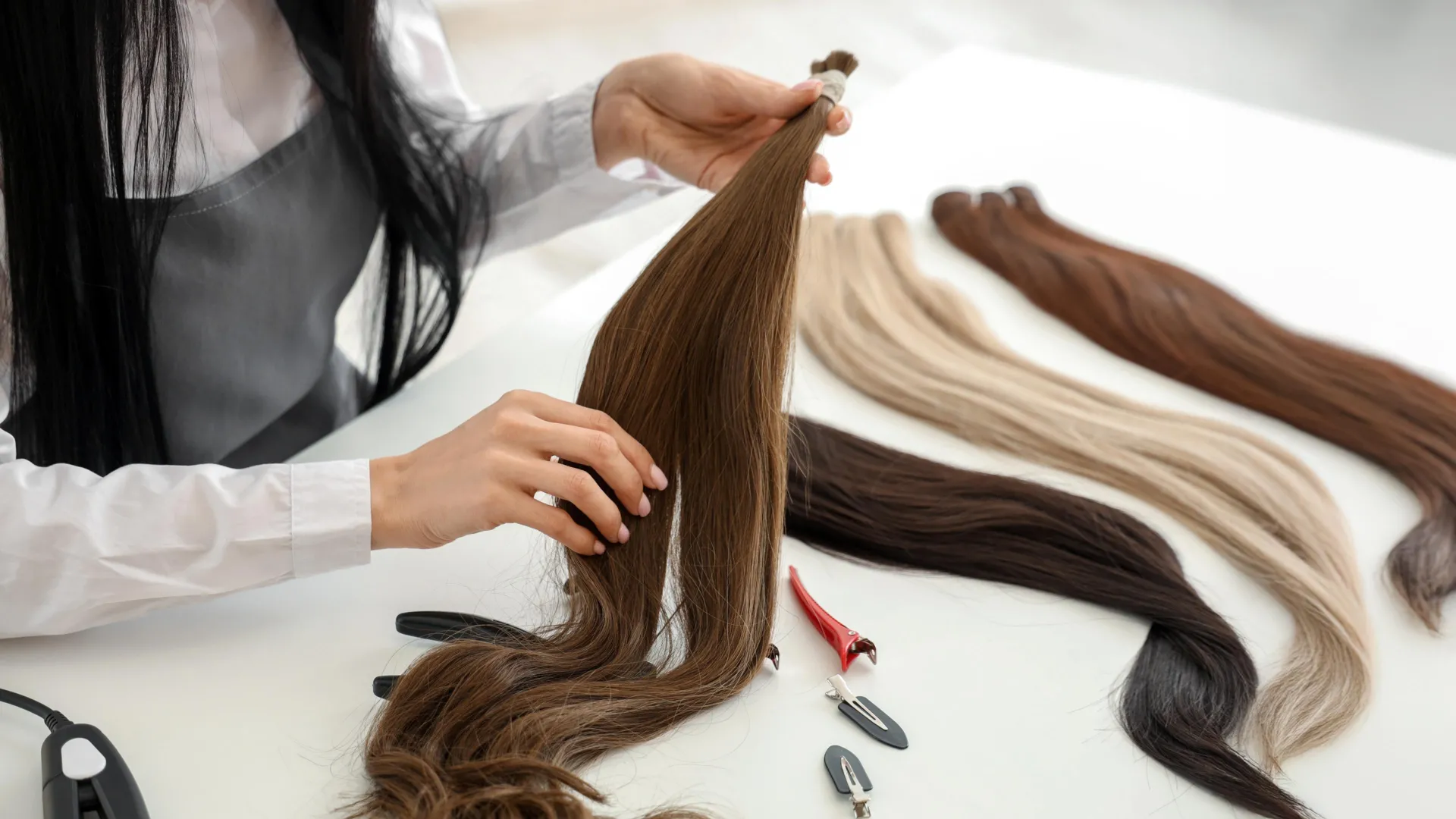
Hidden Hazards: Cancer-Linked Chemicals Found in Popular Hair Extensions
For many, hair extensions represent a versatile avenue for self-expression, cultural connection, and convenience. But a growing body of research suggests these widely used beauty products may reach at a hidden cost. A recent investigation has revealed the presence of potentially harmful chemicals, including those linked to cancer and hormone disruption, in a significant number of hair extensions currently on the market. The findings raise serious concerns, particularly for Black women, who, studies show, utilize these products at a disproportionately higher rate than other demographic groups.
The issue stems from a lack of robust regulation surrounding the ingredients used in hair extensions. Manufacturers often treat synthetic and bio-based fibers with chemicals to achieve desired qualities like flame resistance, waterproofing, or antimicrobial properties. However, these chemicals are frequently not disclosed to consumers, leaving wearers unaware of potential health risks associated with prolonged scalp and neck contact, and even inhalation during styling with heat.
This isn’t a new concern. Prior reports have indicated the presence of concerning chemicals in hair extensions, but a comprehensive understanding of their overall chemical composition has remained elusive. Researchers at the Silent Spring Institute sought to address this gap with a detailed analysis of 43 hair extension products, aiming to provide a clearer picture of the extent of the problem and advocate for greater consumer protection.
A Detailed Chemical Analysis
The study, published in the American Chemical Society journal Environment &. Health, employed a sophisticated analytical method known as non-targeted analysis. Researchers purchased hair extension products from both online retailers and local beauty supply stores, categorizing them by fiber type – synthetic (primarily plastic polymers) or bio-based (including human, banana, or silk fibers). They meticulously documented the claims made on product packaging, such as flame retardancy, water resistance, or “green” certifications like “no PVC” or “non-toxic.”
Using two-dimensional gas chromatography with high-resolution mass spectrometry, the team detected over 900 chemical signatures, encompassing both known and previously unidentified compounds. Machine-learning tools were then utilized to compare these signatures against an extensive chemical database, ultimately identifying 169 distinct chemicals spanning nine major structural classes. This comprehensive approach allowed researchers to uncover a wide range of potentially hazardous substances.
Concerning Chemicals Detected
The analysis revealed that all but two of the 43 samples contained hazardous chemicals. The two exceptions were specifically labeled as “non-toxic” or “toxic-free.” A total of 48 identified chemicals appeared on major hazard lists, with 12 listed under California’s Proposition 65 as known to cause cancer, birth defects, or reproductive harm. California’s Proposition 65, established in 1986, requires businesses to provide warnings about significant exposures to chemicals that cause cancer or reproductive toxicity.
Four different flame retardants were detected in both synthetic and bio-based products, raising concerns about their potential health effects. Seventeen chemicals linked to breast cancer were found in 36 samples, many of which are known hormone disruptors that could potentially increase cancer risk. Perhaps surprisingly, nearly 10 percent of the products contained toxic organotins, with levels exceeding health-based limits established in the European Union in some cases. The European Chemicals Agency (ECHA) regulates organotin compounds due to their toxicity and environmental impact.
Researchers were particularly surprised by the presence of organotins, as these compounds are commonly used as heat stabilizers in PVC and have been linked to skin irritation – a common complaint among hair extension users. Organotins have also been associated with cancer and hormone disruption, further amplifying the concerns surrounding their presence in these products.
Disproportionate Impact on Black Women
The findings are particularly concerning given the disproportionately high rates of hair extension use among Black women. According to a 2022 study by the Journal of Cosmetic Dermatology, over 70 percent of Black women report wearing hair extensions at least once a year, compared to less than 10 percent of women from other racial and ethnic groups. This disparity highlights the require for targeted research and regulatory action to protect this vulnerable population.
The reasons for this higher usage rate are multifaceted, encompassing cultural expression, personal style, and convenience. However, it also means that Black women are potentially exposed to a greater cumulative dose of these harmful chemicals, increasing their risk of adverse health effects. Dr. Elissia Franklin, a research scientist at Silent Spring Institute and lead author of the study, emphasized that Black women “should not have to choose between cultural expression, convenience, and their health.”
Calls for Stronger Regulation and Transparency
The global hair extension market is a multi-billion dollar industry, projected to surpass $14 billion by 2028, with the United States as a leading importer. Given the size of the market and the documented presence of hazardous chemicals, researchers and advocates are calling for increased oversight and regulation.
Several legislative efforts are currently underway to address this issue. In New York, lawmakers have introduced legislation that would require manufacturers of synthetic braids and hair extensions to disclose all ingredients. A similar bill is moving through the New Jersey legislature, aiming to prohibit the use of certain harmful chemicals in synthetic hair products. At the federal level, the Safer Beauty Bill Package, introduced in Congress, includes provisions that would direct the Food and Drug Administration (FDA) to regulate the safety of synthetic braids and hair extensions. The U.S. Congress website provides information on pending legislation.
The lack of transparency in the industry is a major obstacle to consumer protection. Currently, manufacturers are not required to disclose the chemicals used in their products, leaving consumers in the dark about potential health risks. Increased ingredient disclosure, coupled with stricter regulations on the use of hazardous substances, is crucial to ensuring the safety of hair extensions.
What Can Consumers Do?
While awaiting regulatory changes, consumers can take steps to minimize their exposure to potentially harmful chemicals. Choosing products labeled as “non-toxic” or “toxic-free” – though these labels aren’t always rigorously verified – is a starting point. Reducing the frequency of hair extension use and avoiding heat styling can also aid limit exposure. Consumers can also contact their elected officials to voice their support for stronger regulations.
supporting brands committed to transparency and sustainable practices is essential. Consumers should research companies and look for those that prioritize ingredient disclosure and utilize safer alternatives to hazardous chemicals.
Looking Ahead
The findings from the Silent Spring Institute’s study underscore the urgent need for greater scrutiny of the hair extension industry. Continued research is needed to fully understand the long-term health effects of exposure to these chemicals, particularly for Black women. The ongoing legislative efforts represent a positive step towards protecting consumers, but sustained advocacy and regulatory action are essential to ensure a safer future for this popular beauty practice.
The next key development to watch is the progress of the Safer Beauty Bill Package in Congress. The FDA’s potential involvement in regulating hair extensions could significantly impact the industry and consumer safety. Stay informed about legislative updates and advocate for policies that prioritize public health and transparency.
What are your thoughts on this issue? Share your experiences and concerns in the comments below. And please, share this article with your network to raise awareness about the potential risks associated with hair extensions.
Related reading