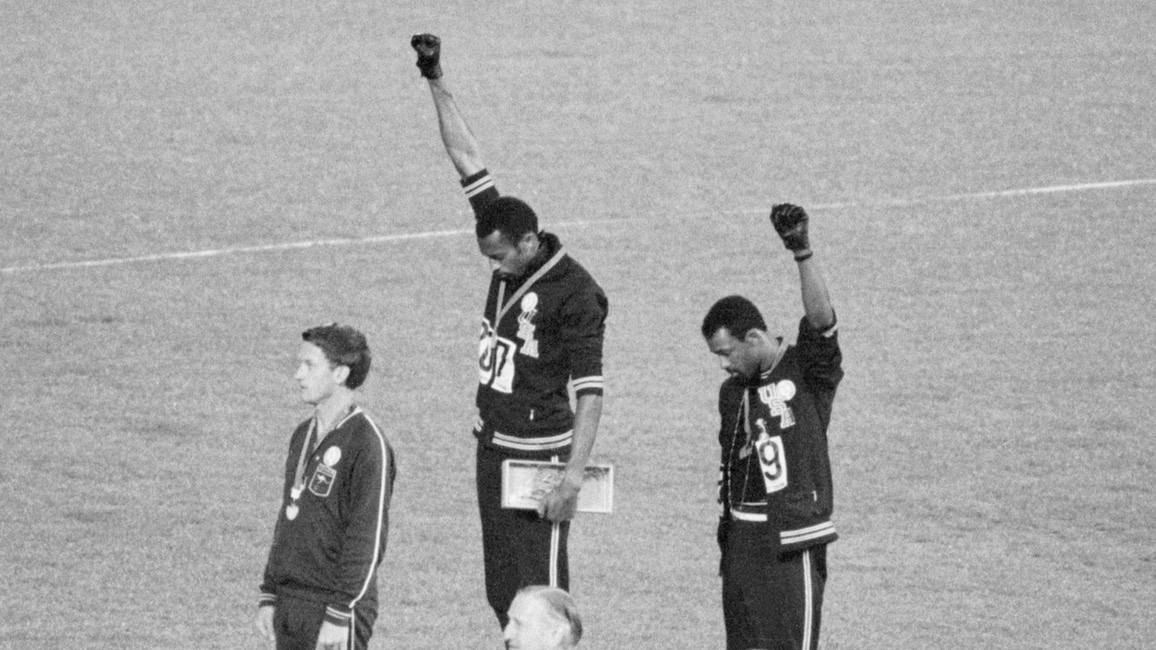
The echoes of protest from the 1968 Mexico City Olympics, where Tommie Smith and John Carlos raised their fists in a silent demonstration against racial injustice, reverberate through Black History Month each year. These iconic images, alongside the legacy of athletes like Jesse Owens and Colin Kaepernick, often serve as touchstones for reflection. But as the United States grapples with ongoing battles over voting rights, economic inequality, and historical narratives, a critical question arises: is remembrance enough, or is it time for Black athletes to move beyond symbolic gestures and re-engage in the active fight for social justice? The comfortable conversations surrounding Black athletic achievement, while important, risk overshadowing the urgent need for sustained and impactful action.
The power of athletes to influence social change is undeniable. From Jackie Robinson breaking the color barrier in baseball to Muhammad Ali’s courageous stand against the Vietnam War, Black athletes have consistently used their platforms to challenge the status quo. However, the current moment demands more than retrospective acknowledgment. A surge of activism followed the killing of George Floyd in 2020, with athletes across various sports uniting to advocate for voting rights and racial justice. But as the initial momentum has waned, concerns are growing that this energy is dissipating, replaced by a return to “business as usual.” This isn’t to diminish the impact of past actions, but to underscore the necessity of sustained engagement in the face of persistent systemic challenges.
The Legacy of Protest and the Risk of Complacency
The 1968 Olympics protest, a defining moment in the civil rights movement, remains a potent symbol of resistance. Tommie Smith and John Carlos, gold and bronze medalists in the 200m race respectively, faced severe repercussions for their demonstration, including ostracism, and threats. Their act of defiance, performed alongside Australian silver medalist Peter Norman who wore an Olympic Project for Human Rights badge in solidarity, highlighted the struggles faced by African Americans both domestically and internationally. This act, however, wasn’t isolated. Jesse Owens’ triumphs at the 1936 Berlin Olympics, while celebrated, occurred against the backdrop of Nazi Germany’s racist ideology and racial segregation in the United States. These historical precedents demonstrate a long tradition of Black athletes using their visibility to challenge injustice.
More recently, Colin Kaepernick’s decision to kneel during the national anthem in 2016 to protest police brutality and racial inequality sparked a national debate and ultimately led to his effective exile from the NFL. While Kaepernick’s actions ignited a crucial conversation, the lack of widespread support from the league and the subsequent silencing of his voice underscore the risks athletes face when taking a stand. Muhammad Ali’s refusal to be drafted into the U.S. Military during the Vietnam War, a decision that cost him his boxing title and years of his career, further illustrates the personal sacrifices often required to challenge established power structures. These athletes, and many others, have demonstrated that athletic excellence and social activism are not mutually exclusive.
The Current Landscape: Voting Rights and Historical Narratives Under Attack
The urgency for continued activism stems from the ongoing erosion of voting rights and attempts to rewrite American history. Following the 2020 presidential election, numerous states introduced legislation that critics argue restricts access to the ballot box, particularly for minority voters. According to the Brennan Center for Justice, as of December 2023, at least 14 states have enacted restrictive voting laws since the 2020 election. These laws include measures such as stricter voter ID requirements, limitations on early voting, and reduced access to absentee ballots. Simultaneously, there’s a growing movement to restrict the teaching of critical race theory and other historical perspectives that acknowledge the systemic nature of racism in the United States. Legislation in multiple school districts aims to “whitewash history,” downplaying or omitting uncomfortable truths about the nation’s past.
This legislative pushback directly impacts the communities that Black athletes represent and often arrive from. The ability to participate fully in the democratic process and to understand the complexities of American history are fundamental to achieving social justice. The current climate demands a renewed commitment from athletes to use their platforms to advocate for policies that protect voting rights and ensure an accurate and inclusive historical narrative. Simply wearing socially conscious t-shirts, as noted in the original source, is no longer sufficient. Meaningful engagement requires direct advocacy, political action, and a willingness to challenge those in power.
Jaylen Brown: A Contemporary Example of Athlete Activism
Boston Celtics guard Jaylen Brown exemplifies the type of proactive engagement needed from today’s athletes. Brown has consistently used his platform to speak out on social justice issues, participating in protests following the death of George Floyd and directly addressing his fanbase about systemic racism. In January 2023, Brown spoke to a predominantly white crowd at Boston’s TD Garden, stating, “Systemic racism is real. It plagues the city of Boston as well as the rest of our society.” His willingness to address uncomfortable truths directly to his audience demonstrates a commitment to using his influence to promote meaningful change. Brown’s activism extends beyond statements; he has actively engaged in community organizing and advocacy efforts.
However, Brown’s example highlights the need for broader participation. While some athletes have continued to speak out, many have retreated from the forefront of the social justice movement. The pressures of maintaining sponsorships, navigating team dynamics, and facing potential backlash can create disincentives for athletes to take a public stand. Overcoming these obstacles requires a collective effort, with athletes supporting each other and creating a safe space for open dialogue.
The Challenge of Sustained Engagement in a Short-Attention-Span World
One of the key challenges facing athlete activism is the increasingly short attention span of modern society. The 24/7 news cycle and the proliferation of social media contribute to a constant stream of information, making it difficult to sustain focus on any single issue for an extended period. The initial surge of activism following George Floyd’s death demonstrated the potential for rapid mobilization, but maintaining that momentum has proven difficult. As the news cycle moves on to other topics, the urgency surrounding social justice issues can diminish, leading to a decline in public engagement.
To overcome this challenge, athletes must adopt a long-term strategy that goes beyond reactive responses to current events. This includes building relationships with community organizations, supporting grassroots movements, and advocating for systemic change through policy initiatives. It also requires a willingness to engage in difficult conversations and to challenge the status quo, even when This proves unpopular. The fight for social justice is not a sprint; it is a marathon, and sustained engagement is essential for achieving lasting progress.
The current political and social climate demands that Black athletes rediscover the energy for change that was so evident in 2020. The attacks on voting rights, the persistent economic disparities, and the silencing of dissenting voices create a critical moment for action. The question is not whether Black athletes *can* make a difference, but whether they *will*. The legacy of those who came before – Tommie Smith, John Carlos, Jesse Owens, Colin Kaepernick, and Muhammad Ali – serves as a powerful reminder that silence is not an option. The time for comfortable conversations is over; it is time for courageous action.
Looking ahead, the upcoming midterm elections and ongoing legislative battles over voting rights will be crucial tests of athlete engagement. The outcome of these contests will have a significant impact on the future of American democracy and the ability of marginalized communities to participate fully in the political process. It remains to be seen whether athletes will step up to meet this challenge and continue the fight for social justice.
What are your thoughts? Share your perspective in the comments below and join the conversation. Don’t forget to share this article with your network to amplify the discussion.