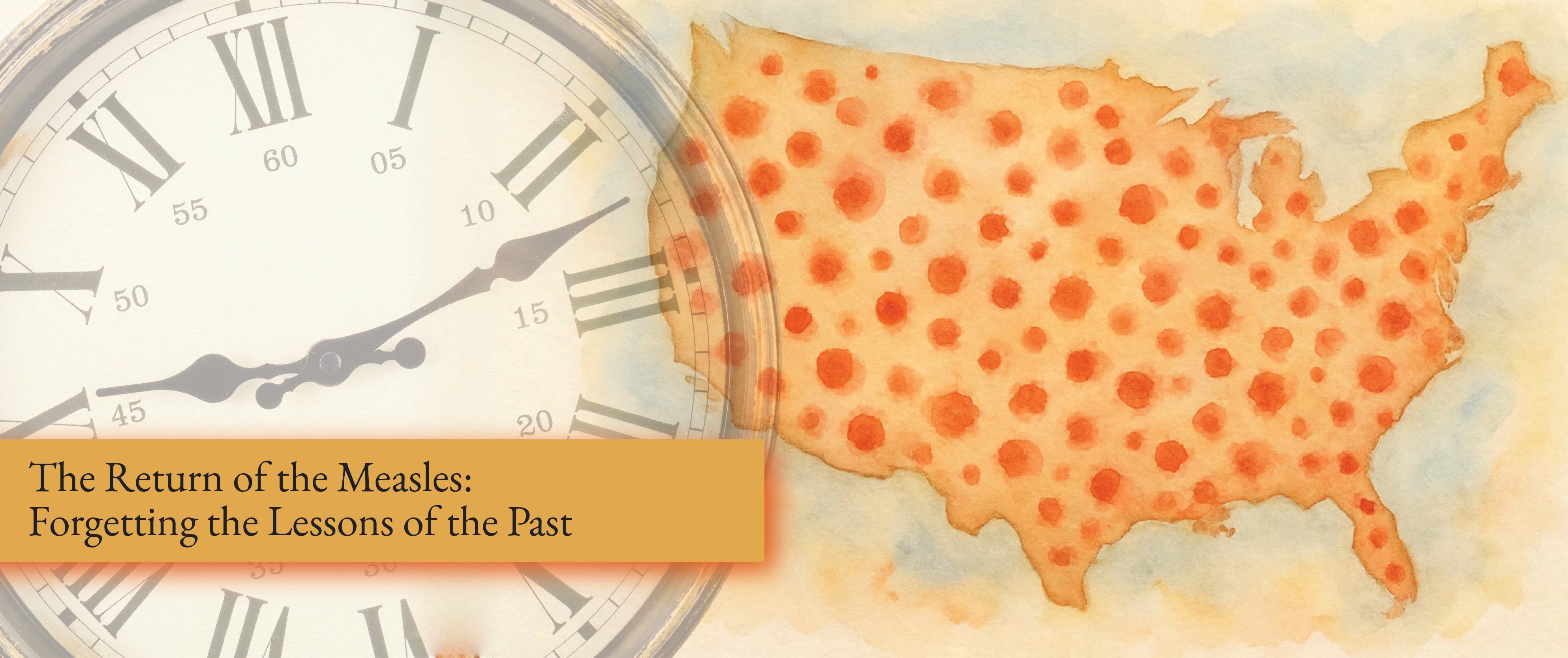
Berlin – The highly contagious measles virus is once again a significant public health concern, not just globally, but within the United States. While declared eliminated from the country in 2000, recent data indicates a worrying resurgence, threatening to undo decades of progress. The current situation demands a renewed focus on vaccination and public health infrastructure to prevent widespread outbreaks and protect vulnerable populations. The return of measles serves as a stark reminder of the importance of maintaining high immunization rates and the potential consequences of complacency.
Measles is a deceptively simple virus, but its impact can be devastating. Characterized by a distinctive rash, high fever, cough, runny nose, and red, watery eyes, the illness is highly transmissible – more contagious than COVID-19, according to the Centers for Disease Control and Prevention (CDC). It spreads through the air when an infected person coughs or sneezes. Complications can range from ear infections and diarrhea to pneumonia, encephalitis (brain swelling), and even death. Before the widespread availability of the measles, mumps, and rubella (MMR) vaccine, nearly all children contracted the disease.
A Growing Threat: Measles Cases in 2026
As of February 19, 2026, the CDC reports 982 confirmed measles cases in the United States, spanning 26 jurisdictions including Arizona, California, Florida, and Texas. This figure represents a substantial increase compared to previous years. Notably, 6 measles cases have been identified in international visitors to the U.S. The CDC data further reveals that 89% of these confirmed cases – 870 out of 982 – are linked to outbreaks, with 73 originating in 2026 and 797 stemming from outbreaks that began in 2025. This outbreak-associated rate underscores the ongoing transmission and the challenges in containing the virus.
The situation is particularly concerning when viewed in the context of 2025, which saw a total of 2,281 confirmed measles cases across 45 jurisdictions. A significant portion of these cases, 2,256, were also outbreak-related, with 49 outbreaks reported throughout the year. The data from 2025, and the continuing trend into 2026, clearly demonstrates a worrying pattern of increasing measles incidence and a potential erosion of the immunity within communities.
The Role of Vaccination and Declining Immunity
The MMR vaccine is highly effective, providing approximately 97% protection against measles after two doses. However, vaccine coverage rates have declined in recent years, creating pockets of susceptibility where the virus can easily spread. Factors contributing to this decline include vaccine hesitancy, misinformation, and disruptions in healthcare access. The CDC recommends that children receive two doses of the MMR vaccine, with the first dose administered between 12 and 15 months of age and the second dose between 4 and 6 years of age.
The concept of “herd immunity” is crucial in understanding measles prevention. When a large percentage of the population is vaccinated, it protects those who cannot be vaccinated, such as infants too young to receive the vaccine or individuals with certain medical conditions. However, when vaccination rates fall below a critical threshold – generally around 95% – herd immunity is compromised, and outbreaks become more likely. The current decline in vaccination rates is eroding this protective barrier, leaving communities vulnerable.
Global Context and Imported Cases
The resurgence of measles in the United States is not an isolated phenomenon. Globally, measles cases have been increasing in recent years, driven by factors such as conflict, displacement, and declining vaccination rates. According to a study published in the International Journal of Surgery, the United States experienced a significant measles resurgence in 2025, with 1,319 confirmed cases reported as of July 22nd, a more than 4.5-fold increase compared to the 285 cases recorded in 2024. The study highlights the global interconnectedness of infectious disease outbreaks and the importance of international collaboration in controlling their spread.
Imported cases – those brought into the U.S. By travelers – play a significant role in fueling outbreaks. The six cases reported among international visitors in 2026, as noted by the CDC, demonstrate this risk. These imported cases can then trigger outbreaks in unvaccinated communities, leading to wider transmission. Strengthening border surveillance and ensuring that travelers are aware of the importance of vaccination are crucial steps in preventing the introduction of measles into the country.
Looking Ahead: Preventing Further Spread
Addressing the measles resurgence requires a multi-faceted approach. Increasing vaccination rates is paramount. Public health officials must work to address vaccine hesitancy by providing accurate information and building trust with communities. Improving access to vaccination services, particularly in underserved areas, is also essential. This includes mobile vaccination clinics, school-based vaccination programs, and outreach to vulnerable populations.
Enhanced surveillance is also critical. Rapid detection and response to outbreaks are essential to prevent widespread transmission. This requires robust laboratory capacity, effective contact tracing, and prompt implementation of control measures, such as quarantine and isolation. The CDC’s ongoing monitoring of measles cases and outbreaks provides valuable data for informing public health interventions.
international collaboration is vital. Working with global partners to strengthen vaccination programs in other countries can help prevent the importation of measles into the United States. Sharing data and best practices can also improve global preparedness for future outbreaks.
Key Takeaways
- Measles cases are rising in the U.S., threatening to reverse decades of progress towards elimination.
- Declining vaccination rates are a major driver of the resurgence, eroding herd immunity.
- Imported cases contribute to outbreaks, highlighting the importance of global vaccination efforts.
- A multi-faceted approach – including increased vaccination, enhanced surveillance, and international collaboration – is needed to prevent further spread.
The CDC is expected to release updated measles data on March 6, 2026, providing a more comprehensive picture of the current situation. Continued vigilance and proactive measures are essential to protect public health and prevent a widespread measles epidemic. We encourage readers to share this information and engage in constructive conversations about the importance of vaccination and public health preparedness.
Worth a look
- 세계 정상 20 회사 Conjunctivitis 치료 시장 크기 – Spherical Insights
- State Policies on Abortion Coverage in Medicaid, Private Insurance, and ACA Exchange Plans in 2025
- Measles Case Confirmed in ACT Following Overseas Travel (newsdirectory3.com)
- Iran War and Tariffs: New Risks for the U.S. and Global Economy (archynewsy.com)