Chilean Drama “El Jardín de Olivia” Gripped by Public Accusations and Internal Conflicts
Santiago, Chile – The Chilean television series “El Jardín de Olivia” has develop into the focal point of intense drama, both on-screen and now spilling into public discourse. Recent episodes have seen a character, Karina Rodríguez, publicly accuse Luis Emilio Walker of obstructing her relationship with Ignacia Walker, triggering a wave of reactions from stakeholders and fans alike. The unfolding events highlight themes of societal acceptance, family dynamics, and the potential for abuse of power, resonating with audiences across Chile and beyond. This situation is further complicated by parallel storylines involving alleged threats and attempts to undermine the Walker Group, adding layers of intrigue to the narrative.
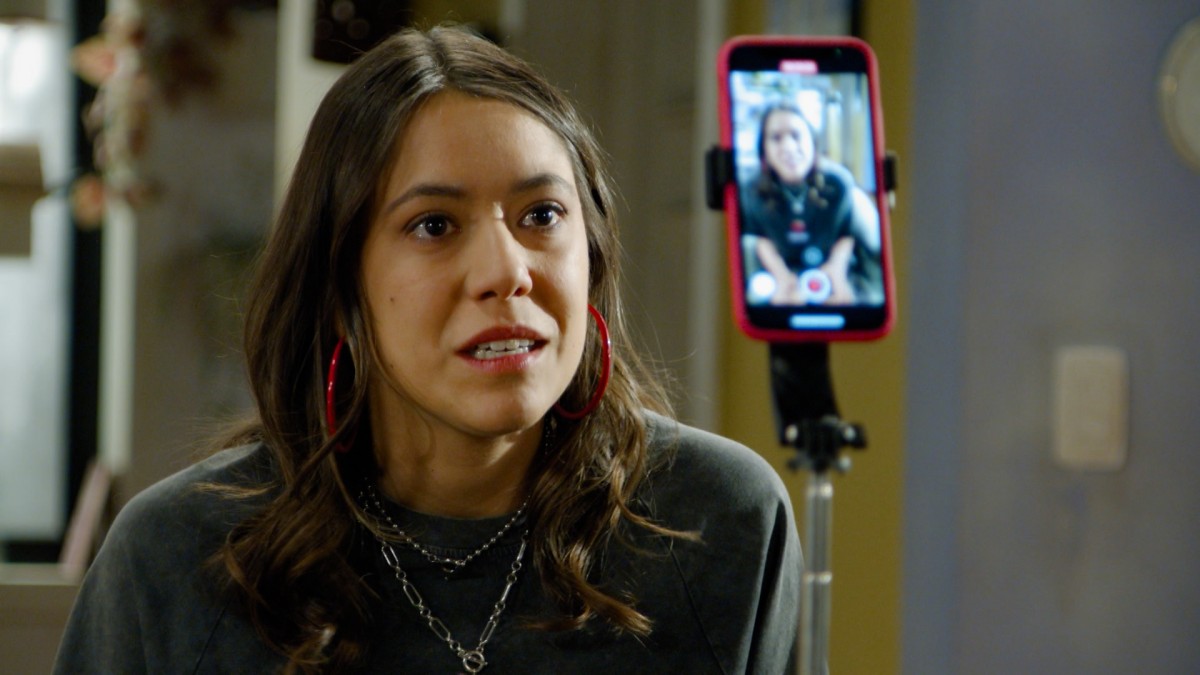
The core of the current conflict centers on the relationship between Karina and Ignacia, and the alleged interference of Luis Emilio Walker. According to reports, Karina took the unprecedented step of making a public denunciation on social media, leveling serious accusations against Walker. She claims he has “insulted, threatened, and mistreated” her, extending beyond personal attacks to encompass her family. This bold move, although risky, appears to have been a calculated attempt to bring attention to what she perceives as injustice and to garner support for her relationship with Ignacia. The timing of this public statement is crucial, occurring amidst growing tensions within the Walker family and the broader business empire.
Public Outcry and Corporate Fallout
Karina’s accusations quickly went viral, igniting a fierce debate on social media platforms. The public response has been overwhelmingly supportive of Karina and Ignacia, with many expressing outrage at Walker’s alleged behavior. This outpouring of support has been accompanied by calls for accountability and a demand for greater acceptance of same-sex relationships within Chilean society. However, the fallout extends beyond public opinion. The accusations have prompted immediate scrutiny from shareholders of the Grupo Walker, who are reportedly demanding explanations for Walker’s actions. The father of Joaquín, another key character in the series, has also requested clarification, indicating the widespread concern surrounding the allegations.
The situation is particularly sensitive given the prominent position of the Walker family within Chilean business and society. Grupo Walker is a significant economic force, and any scandal involving its leadership could have far-reaching consequences. The shareholders’ demand for answers suggests a desire to protect the company’s reputation and financial stability. The involvement of Joaquín’s father further underscores the potential for broader repercussions, as it indicates that the controversy is extending beyond the immediate family circle.
Internal Power Struggles and Threats
Alongside the public accusations, the series is also exploring internal power struggles within the Walker Group. Omar, a character intent on exposing wrongdoing, is reportedly gathering evidence and preparing to make his own revelations. This development has triggered a response from Vanessa, who alerted Burgos to Omar’s intentions. In a particularly dramatic turn of events, Burgos allegedly threatened Droguett with a weapon in an attempt to prevent the truth from being revealed. This act of intimidation highlights the lengths to which certain individuals are willing to go to protect their interests and maintain control within the organization.
The threat against Droguett raises serious questions about the ethical conduct of those in positions of power within the Walker Group. It suggests a pattern of manipulation and coercion, and it underscores the challenges faced by those who attempt to expose corruption or wrongdoing. The fact that Burgos, a subprefect, resorted to such tactics indicates a systemic problem within the organization, where accountability is lacking and the pursuit of truth is actively suppressed.
Burgos’s Actions and the Pursuit of Justice
The attempted intimidation of Droguett represents a significant setback for those seeking justice within the narrative. Burgos’s actions demonstrate a willingness to prioritize self-preservation over ethical conduct, effectively thwarting efforts to uncover the truth. This storyline raises important questions about the role of law enforcement and the challenges of holding powerful individuals accountable for their actions. The series appears to be exploring the complexities of navigating a system where corruption and abuse of power are prevalent.
The unfolding events in “El Jardín de Olivia” are not merely confined to the realm of fictional drama. They reflect broader societal issues related to acceptance, equality, and the abuse of power. The public response to Karina’s accusations demonstrates a growing demand for social justice and a willingness to challenge traditional norms. The internal conflicts within the Walker Group highlight the challenges of maintaining ethical standards in a competitive business environment. As the series progresses, it will be crucial to observe how these themes are further developed and how the characters respond to the escalating crisis.
The series’ exploration of these themes is particularly relevant in the context of Chile’s evolving social and political landscape. The country has undergone significant changes in recent years, with a growing emphasis on human rights and social inclusion. “El Jardín de Olivia” appears to be tapping into these currents, offering a nuanced and compelling portrayal of the challenges and opportunities facing Chilean society. The display’s popularity suggests that it is resonating with audiences who are eager to see these issues addressed on screen.
The narrative also touches upon the complexities of family relationships and the impact of secrets and lies. Ignacia’s position as the daughter of Luis Emilio Walker adds another layer of tension to the situation, as she is torn between her loyalty to her father and her love for Karina. The series is exploring the emotional toll of these conflicts and the challenges of navigating difficult family dynamics. The involvement of Joaquín’s father further complicates matters, as it suggests that the repercussions of the scandal will extend beyond the immediate family circle.
As the story continues to unfold, viewers can expect further twists and turns, as well as deeper explorations of the characters’ motivations and vulnerabilities. The series’ ability to blend compelling drama with relevant social commentary has made it a must-watch for audiences across Chile. The ongoing controversy surrounding Luis Emilio Walker’s alleged actions is likely to remain a central focus of the narrative, driving the plot forward and keeping viewers engaged.
The next chapter of “El Jardín de Olivia” promises to delve deeper into the consequences of Karina’s public denunciation and the fallout from Burgos’s actions. Viewers can anticipate further revelations about the internal workings of the Walker Group and the motivations of its key players. The series is expected to continue to address important social issues and to challenge traditional norms, making it a significant contribution to Chilean television drama. Stay tuned for updates as the story develops.
What are your thoughts on the unfolding drama in “El Jardín de Olivia”? Share your opinions in the comments below, and don’t forget to share this article with your friends and family.
Worth a look